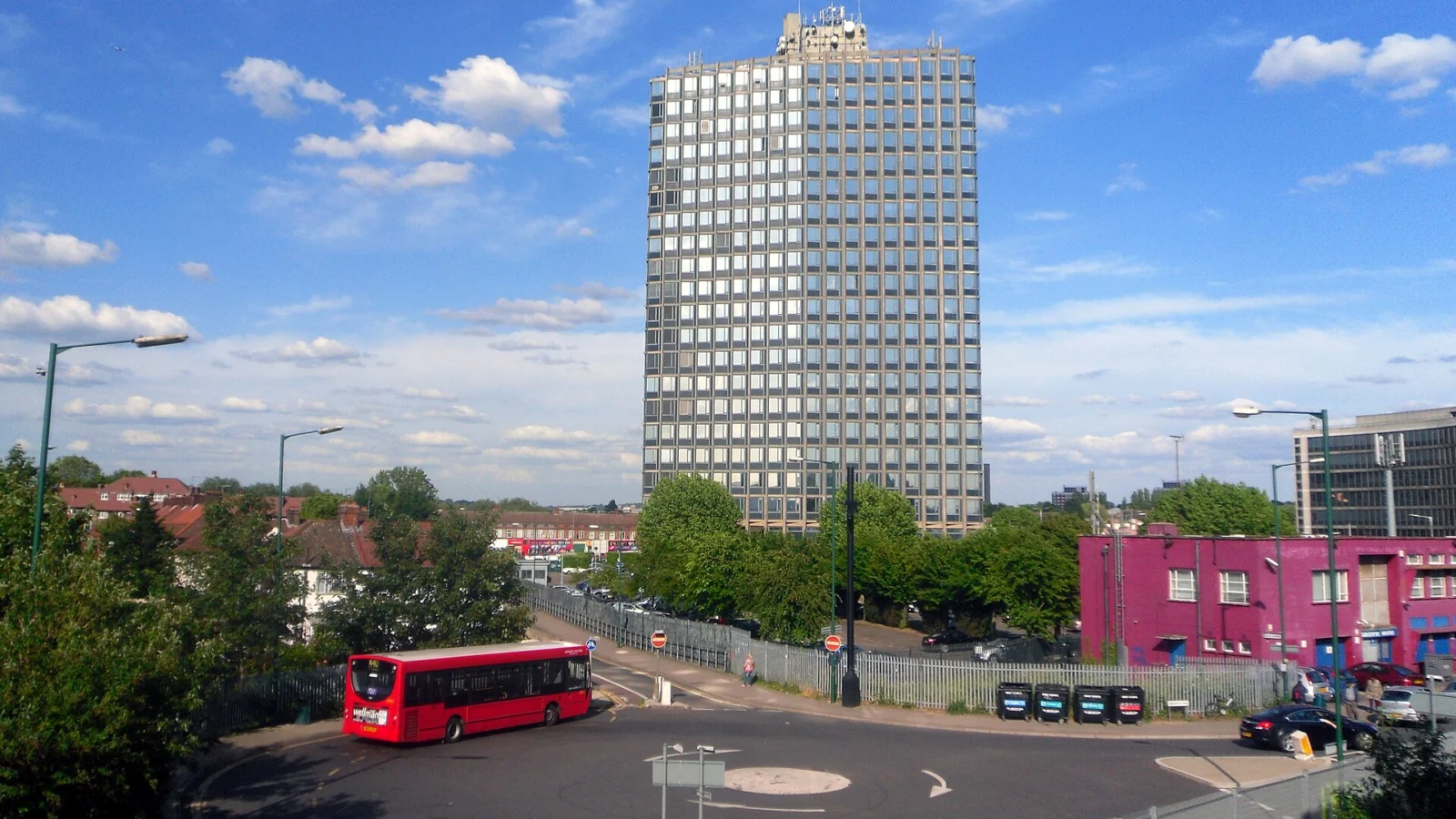
The grey water of the River Brent churned as a body surfaced near the base of a towering high-rise. It was a cold October morning in 2004, and the scene at the foot of the Wembley Point building was one of stark, silent tragedy. Nearby, the towering concrete structure loomed over the scene, a silent witness to a final, desperate act that would leave a permanent mystery in the heart of London.
This is the story of the Wembley Point Woman, a name given to a person whose identity has been erased by time and circumstance. It is a remarkable case because of the surreal contrast between her mundane belongings and the dramatic circumstances of her passing. From a discarded newspaper to a unique piece of art left behind, the details provide a haunting portrait of a woman who vanished into the shadows of a metropolitan skyline.
Read more: Trow Ghyll skeleton: The mystery of a possible Nazi spy in a cave
A final moment in the clouds
The events unfolded on 29 October 2004, when authorities discovered the remains of a woman who had fallen from a significant height. She was found at the base of the high-rise, and the subsequent investigation led to the conclusion that she had taken her own life. The location was not a public landmark but a private space, adding a layer of isolation to her final moments.
Eyewitnesses provided a chilling account of her final actions, claiming they saw her leap from a rooftop cafe situated twenty-one stories above the ground. Before the fall, she was observed in a state of apparent calm, reportedly smoking a cigarette while reading The Guardian. This image of a woman momentarily suspended between a newspaper and a final decision remains one of the most striking elements of the narrative.
Clues in the cotton and canvas
The woman was described as being of Afro-Caribbean descent, with an estimated age ranging between twenty and forty years. She stood between 5’1″ and 5’3″ tall, dressed in a maroon zip-up jacket layered over black and claret jumpers. Her attire was practical yet specific, consisting of black tights, trousers, and a pair of Skechers brand boots.
Small details offered the only breadcrumbs for investigators to follow. She wore a black glove on her left hand, which concealed a silver ring, while her right hand bore a metal ring shaped like a cowrie shell. In her possession, authorities found a mere £5.20 in cash and an opened packet of Marlboros. Most notably, she left behind a distinctive oil painting, a piece of personal expression that stayed behind while she disappeared.
A ghost in the machinery
The movement of the woman through the building was documented by those who shared the space with her. Some people who encountered her in the lift described her as looking “distressed” — Witnesses. However, this contradicted the observations of others who saw her moving through the same corridors with a sense of confidence. This duality of emotion suggests a woman who may have been struggling internally while maintaining a composed exterior.
The cafe from which she jumped was not a public venue but a worker’s canteen, making her presence there even more peculiar. She carried a bus pass that had been issued at Seven Sisters Road just three days prior, on 26 October 2004. Despite this and the unique painting, she lacked any primary identification, such as a wallet, bank cards, or a mobile phone, leaving the police with almost no way to trace her history.
A name lost to the years
Following the investigation, the woman was laid to rest in a common grave in Watford’s Carpenders Park Cemetery. Because no identification could be established, she remains a nameless figure in the records of the city. The lack of a name means she remains a “placeholder” in the eyes of the law, a shadow of a person who lived, worked, and created art before her final day.
Even as decades have passed, the mystery refuses to fade. Police and missing persons groups have issued fresh appeals in 2021 and 2023, hoping that a relative or a friend might finally come forward with a name. The case remains officially unsolved, a haunting reminder of a life that ended in a single moment. She remains a face in a crowd that no one can quite remember.
More from Ungrid Now
- Lone wolf terrorism: How individual radicalisation creates a security dilemma
- Loch Ness Deception: The Absurd Film That Faked a Monster’s Roar
Background: Wikipedia