The quiet afternoon of Saturday, 5 May 1956, in Ormskirk, Lancashire, was shattered by unseen violence. Mary Ormesher, known locally by the affectionate moniker ‘Auntie Polly’, was walking home alone, carrying a brown attaché case that clinked faintly with a week’s earnings of £150. Shortly after, the sounds of struggle—groans and the unmistakable clatter of breaking glass—drifted through the neighbourhood near the sisters’ residence. By the time Mrs Whitehouse discovered the scene at the shop later that morning, the unthinkable had transpired.
This grim event involved the brutal demise of two sisters, Margaret Jane Ormesher and Mary Ormesher. The circumstances surrounding their deaths in Ormskirk make the case profoundly unsettling, given the thoroughness of the ensuing investigation. The fact that the identity of the perpetrator remains unknown means that, decades later, the mystery persists, continuing to haunt the community.
How the routine of life unravelled
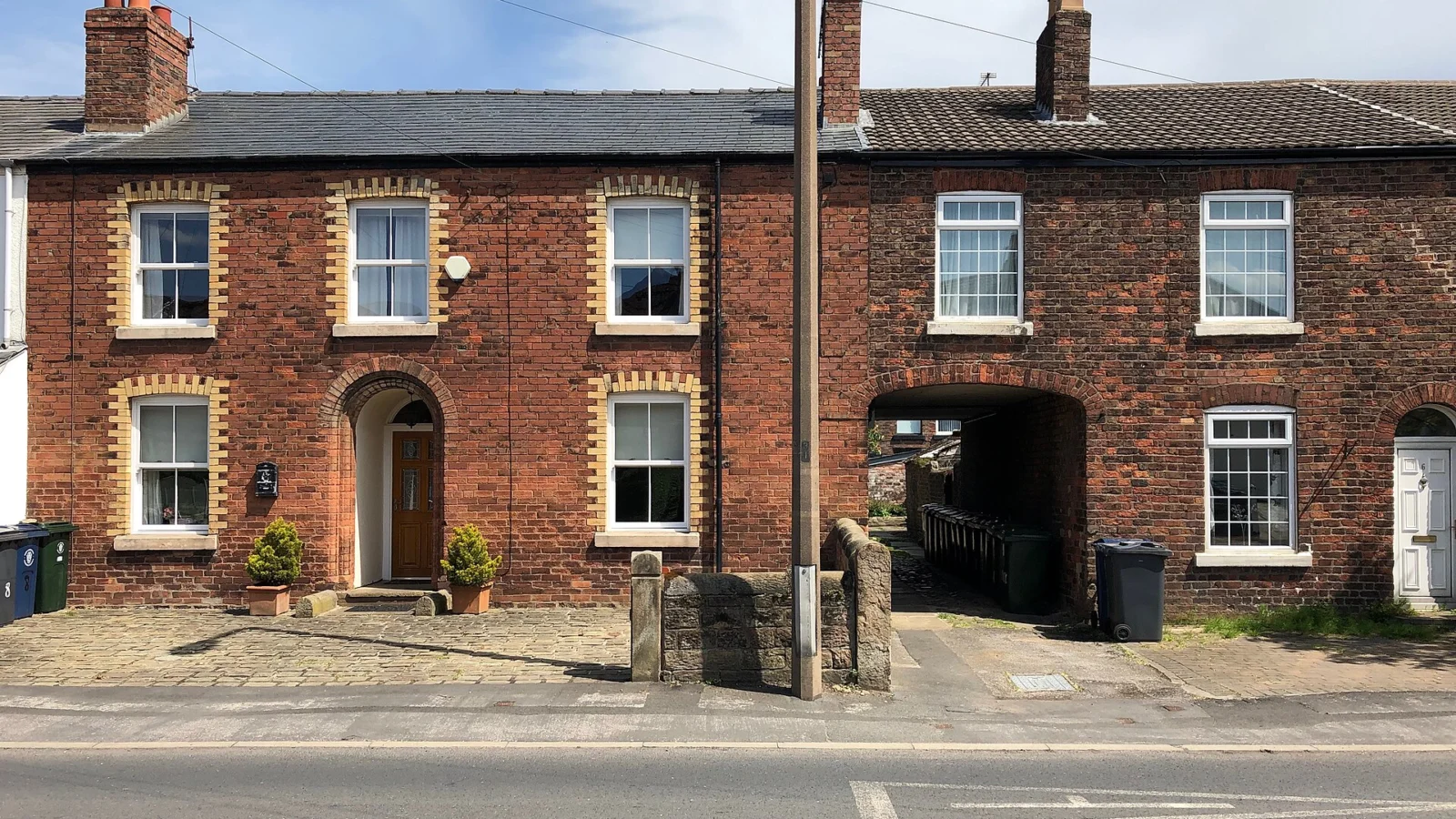
The sisters, Margaret Jane Ormesher and Mary Ormesher, were residents of Ormskirk, having been born to Edward and Emma Ormesher, and were part of a family that included two other sisters. They were notably diminutive women, both standing under five feet tall, and they shared a small business on Church Street, operating a tobacconist and sweetshop. Mary’s routine was familiar to her neighbours; indeed, Mrs Whitehouse kept company with Mary for nearly six years.
Mary’s walk home that Saturday, carrying the cash earnings from the shop, set the stage for the tragedy. While the sisters resided at Ivy Dene, an address that was formerly the Brick Makers Arms, the discovery of the bodies was made by Mrs Whitehouse at the shop itself at 10:30 am. When Thomas Patrick Cummins eventually found the bodies in the kitchen, the scene was one of shocking devastation. The subsequent examination revealed a chilling tableau: “The sisters’ battered and bloody bodies lay in the kitchen wearing their usual attire.”
The immediate aftermath and police action
The local police launched an investigation that was both extensive and highly systematic in its scope. Officers quickly secured the scene, and the murder weapons were identified as a brass poker and two candlesticks. It was immediately clear that something valuable had been taken, as only one cash bag was reported missing, with £100 unaccounted for from the initial takings.
The investigation into the crime was comprehensive, leading the authorities to question numerous residents in the area. To aid in solving the puzzle, all adult male inhabitants of Ormskirk underwent fingerprinting. Despite this meticulous gathering of physical evidence, a bloodied fingerprint was discovered at the scene, yet no match was ever established through the process.
Lingering questions and official conclusions
The initial medical examination provided a grim timeline, as the autopsy conducted by Dr George B. Manning suggested that the sisters had passed away around midnight. The police thoroughly questioned the local population, cementing the effort to find answers. The fact that the murderer remains unidentified speaks volumes about the elusiveness of the killer.
Despite the wealth of evidence collected—from the missing cash to the recovered murder implements—the identity of the person responsible for the crime remains unknown, meaning the investigation is officially open. The sheer scale of the local police effort, including fingerprinting every man over the age of eighteen, underscores the gravity with which the event was treated by the community and the authorities at the time.
The enduring mystery of Ormskirk
The case of the Ormesher Sisters is not merely a historical footnote; it stands as a persistent puzzle in the annals of true crime. As of March 2015, this investigation remained one of fifteen unsolved murders, clinging to the edges of local memory and historical record. The mystery continues to draw attention because, despite the passage of decades, no definitive answer has been reached regarding the fate of the sisters or the person who perpetrated the attack.
The enduring nature of this puzzle highlights how certain moments of violence can refuse to fade into the background noise of history. The meticulous details—the specific amount of cash taken, the particular items used as weapons, and the single unidentified print—provide tantalising fragments that refuse to settle into a neat resolution. The mystery of the Ormesher Sisters reminds us that sometimes, the most vivid stories are those that refuse to be closed.
Background: Wikipedia