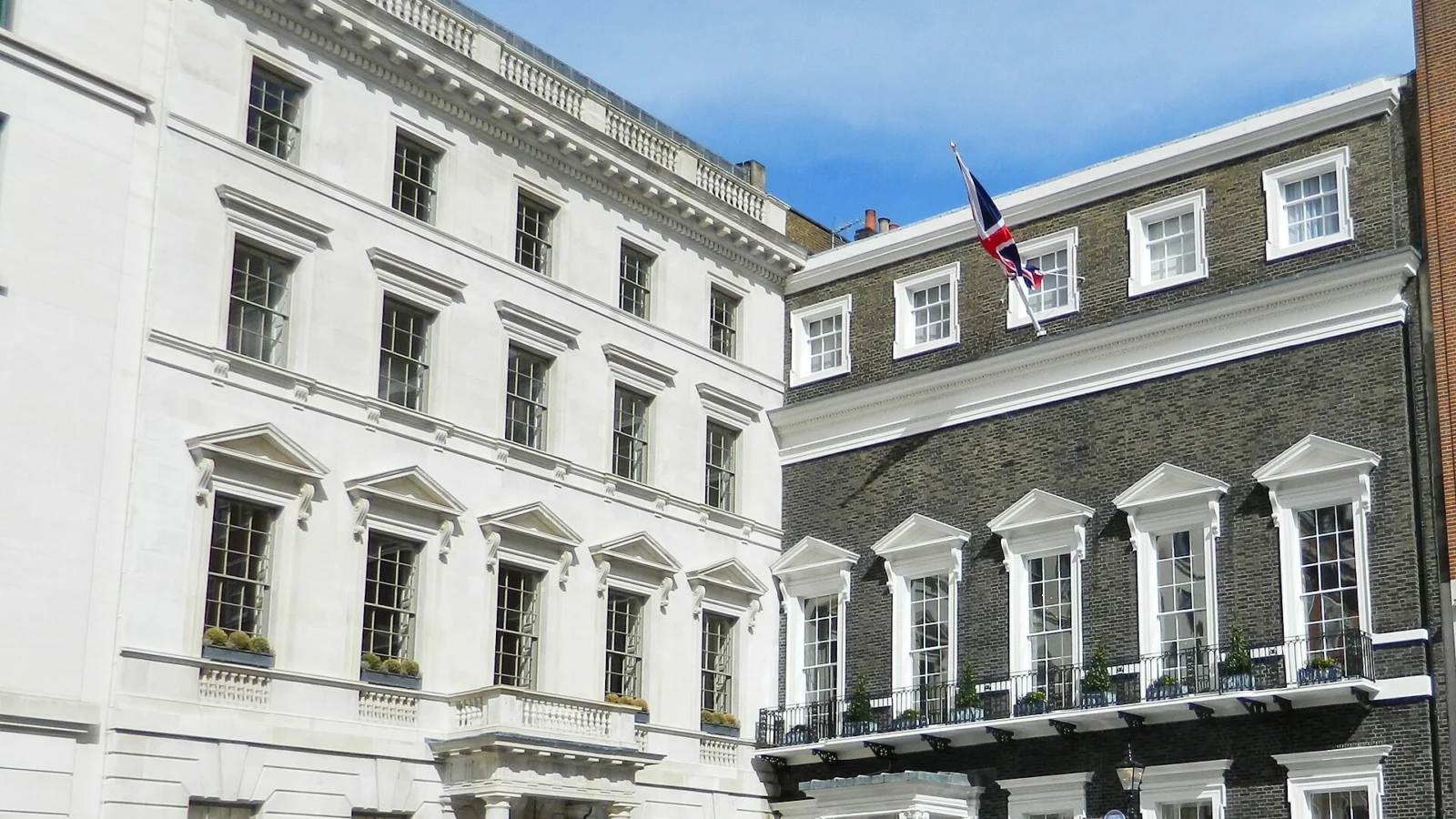
The afternoon air in St James’s Square was thick with tension, a volatile mix of protest and political unrest. Yvonne Fletcher, a Metropolitan Police officer, was on the scene, monitoring a demonstration that had gathered outside the Libyan embassy. Suddenly, the relative calm shattered as shots rang out, originating from the building itself. Fletcher was struck by an unknown gunman’s shot, an event that plunged the area into immediate crisis.
This single, devastating incident quickly escalated from a protest gathering into a major international incident. The shooting initiated a protracted and tense eleven-day siege of the embassy premises. The matter was remarkable not only because it involved violence directed at a police officer on British soil but because its repercussions fundamentally altered the relationship between the United Kingdom and Libya.
Read more: Ali Saleh Kahlah al-Marri’s legal saga after traffic stop
How it all started
The day began around 10:00 am on April 17, 1984, when the demonstration commenced outside the premises. The embassy, which had been renamed the ‘People’s Bureau’ since 1979, was the focal point of the gathering. Yvonne Fletcher, who had joined the Metropolitan Police despite facing height restrictions, was present to manage the unfolding crowd.
The violence erupted when two gunmen fired from the first floor of the embassy. The inquest later established precisely where the fatal shots originated, concluding that Fletcher was “killed by a bullet coming from one of two windows on the west side of the front on the first floor.” The shooting had a devastating impact on the crowd, wounding not only Fletcher but also eleven other Libyan demonstrators.
The immediate fallout and international crisis
The shooting triggered an immediate and severe fallout that spilled far beyond the confines of St James’s Square. The unrest proved so profound that it led directly to the severance of diplomatic relations between the UK and Libya. This was set against a backdrop of escalating tensions; it was known that Muammar Gaddafi, the leader of Libya, had ordered the deaths of his exiled opponents, and bombings had struck both London and Manchester.
The incident highlighted a significant breach of international norms, given that the Vienna Convention on Diplomatic Relations 1961 exists specifically to protect such premises. The crisis surrounding the embassy’s activities proved to be a flashpoint for wider geopolitical conflict.
Lingering shadows and subsequent legal battles
In the wake of the tragedy, the immediate aftermath saw further complications. Libya subsequently arrested six British nationals, although four of these individuals were eventually released after a period of nine months. The British police investigation into the shooting continued for many years, lasting until 2017.
Despite substantial evidence accumulating over the decades, no formal charges were ever filed against those involved, a situation that was attributed to national security concerns at the time. However, the pursuit of justice did not entirely fade away. Eventually, the High Court of Justice in 2021 found Saleh Ibrahim Mabrouk to be jointly liable in connection with the events.
The slow march towards accountability
The ramifications of the shooting were felt across decades, touching upon diplomatic policy and the pursuit of truth. In the years following the event, the political landscape shifted, culminating in a time when Margaret Thatcher permitted the United States to bomb Libya two years after the shooting.
The passage of time eventually forced a degree of official acknowledgment regarding the wrongdoing. In 1999, Libya admitted culpability concerning the incident and agreed to pay compensation. The continuation of the investigation, even when hampered by state secrecy, speaks to the enduring desire for answers regarding that fateful afternoon.
Yvonne Fletcher, born in Semley, Wiltshire, on 15 June 1958, represented a routine moment of duty that became etched into the annals of British history. The story of the St James’s Square shooting demonstrates how a single act of violence can spiral into a massive political and legal quagmire. It remains a stark reminder that some moments, once shattered, never quite settle back into place.
More from Ungrid Now
- Pan Am Flight 73 hijacking: the ordeal and survival story
- Haris Keč hijacking flight in Norway in 1994
Background: Wikipedia