The sudden jolt of a plane crash sent Wario tumbling over unfamiliar woods, an abrupt descent into a world far removed from routine travel. Amidst the wreckage of his flight, he stumbled upon a mysterious, sealed music box, a portal to a hidden conflict. This singular discovery set him on a quest to liberate a figure trapped within the intricate mechanism of the box. The journey that followed was not merely an adventure, but a desperate race to dismantle a villain’s magical imprisonment.
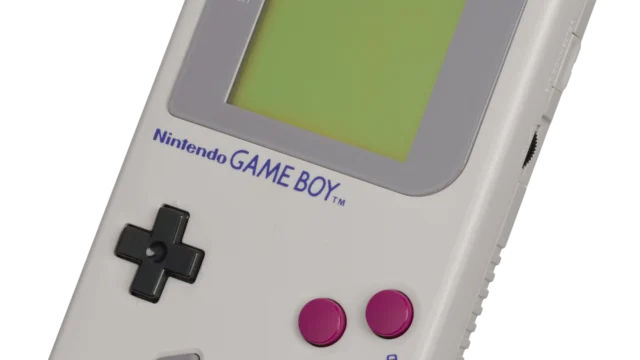
This platforming experience, released on the Game Boy Color in 2000, was far more than a simple traversal of levels; it was a meticulously structured epic. The game, known in Japan by its full title, Wario Land 3: Mysterious Music Box, presented a sprawling world divided into four vast regions: East, West, North, and South. Across these diverse landscapes, players encountered 25 individual stages, each one packed with secrets and challenges that defined the scope of the narrative.
The burden of the music box
The central conflict revolved around the necessity of freeing a mysterious individual who had been magically contained. This entrapment was orchestrated by the antagonist, Rudy the Clown, a figure who had sealed his own formidable magical powers within five separate music boxes. The narrative began when Wario’s plane suffered a crash over the surrounding woods, leading him directly to the central, fateful music box. His mission became clear: he had to navigate the world and break the seals placed upon the figure.
A collection of secrets and survival
The game provided players with a deep, rewarding loop centered around treasure hunting. Within each of the 25 stages, there were four treasures awaiting discovery, resulting in a grand total of 100 potential collectibles. These treasures were kept locked within chests, which were distinctly coloured—Gray, Red, Green, and Blue—adding a layer of visual complexity to the search. Survival in this world was uniquely abstract; Wario did not possess traditional health points, meaning his peril was immediate and absolute, save for the encounter with the final boss.
An interesting mechanical element was the ability for Wario to temporarily bulk up. This was achieved by strategically consuming certain enemy attacks, allowing players to alter their physical presentation in combat. Furthermore, the game incorporated a golfing minigame, which served as a required activity to progress through specific stages. The game also established a high-stakes economic challenge, allowing Wario to carry a substantial maximum of 999 coins throughout his perilous journey.
Navigating the four kingdoms
The world structure provided a rich sense of place, with the four areas—East, West, North, and South—offering distinct environments for exploration. As players moved through these stages, their focus was split between collecting treasures and finding the eight Music Coins hidden within every single one of the 25 areas. These coins were integral to the overarching plot, representing pieces of the magical puzzle that Rudy the Clown had so carefully constructed.
Beyond the treasure hunt, the complexity was heightened by the various challenges presented in each stage. The need to manage coin accumulation while simultaneously navigating the dangers and unlocking the secrets of the chests made each stage a mini-adventure in its own right. The meticulous design ensured that the player was constantly engaged, seeking out the hidden elements while fighting the forces of the villain. As Nintendo Power noted, the title is the “pinnacle of Wario’s early action-platform adventures.”
A timeless, enduring adventure
The success of this title has been remarkably sustained, proving its enduring appeal across generations of gamers. The game achieved significant commercial success, selling 2.2 million copies worldwide. Its quality was reflected in high critical praise; GameSpot awarded it a rating of 9.8 out of 10, and the game holds an aggregate score of 90% on GameRankings.
The legacy of Wario Land 3 continued to grow as it was brought back to modern hardware. It was re-released for the Nintendo 3DS Virtual Console in 2013, allowing new audiences to experience the adventure. Its historical importance was cemented when it was included in the Nintendo Classics service in February 2023. Whilst decades have passed since Wario first crashed into the woods, the quest to liberate the trapped figure remains a powerful echo of that initial, fateful journey.
Background: Wikipedia