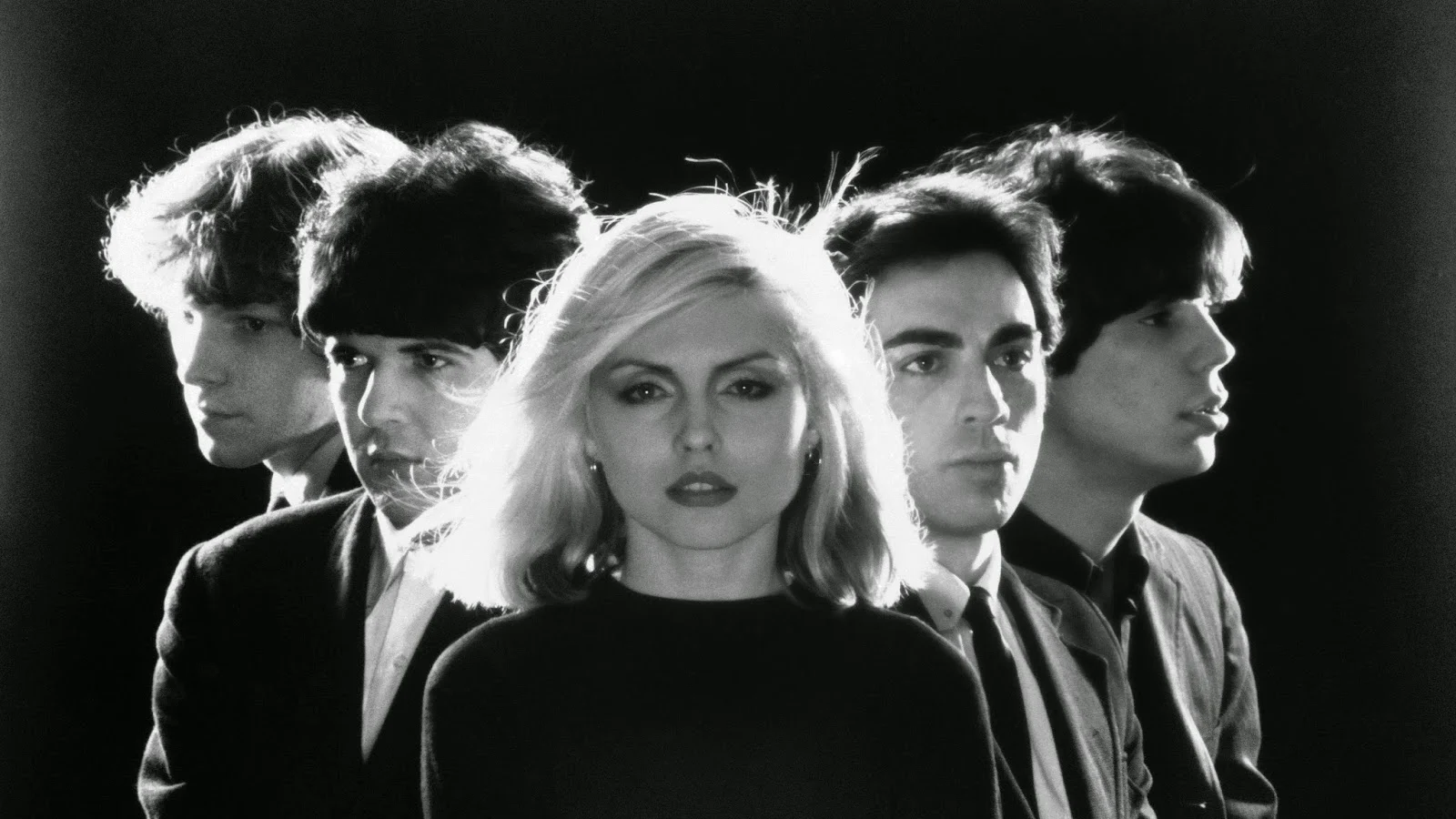
The neon lights of a television studio flickered against the faces of musicians who looked more like awkward teenagers than rock stars. They stood stiffly, performing robotic movements and wearing exaggerated, quirky outfits that defied the conventional glamour of the era. In the air, choppy rhythm guitars cut through the room with angular riffs and frantic, high-speed tempos. It was a calculated aesthetic of nervous energy, where the rebellion of the streets met the polished sheen of a pop melody.
This was the birth of new wave, a musical movement that fundamentally reshaped the landscape of popular music during the mid-to-late 1970s. It emerged as a sophisticated evolution of the raw energy found in punk rock, stripping away the sheer aggression to reveal a more melodic and accessible core. While it shared a common ancestor with the punk explosion, new wave carved out its own identity by prioritising catchy hooks and electronic textures. It became a massive cultural phenomenon, bridging the gap between underground experimentation and mainstream success.
Read more: Punk Meets Ska: The Explosive Sound of High-Energy Rebellion
A shift in the sound of rebellion
The origins of the movement are tied to a transition in the musical zeitgeist of the mid-1970s. While punk was tearing down the walls of traditional rock, new wave was busy building a new house within those ruins. It was a lighter, more melodic broadening of the punk culture, offering an alternative to the abrasive noise of the time. It provided a sanctuary for artists who wanted to keep the rebellious spirit of the movement but desired a more structured, pop-oriented framework.
One of the most pivotal moments in this timeline occurred in March 1974. Hilly Kristal identified a show by the band Television as the true beginning of the new wave era. This set the stage for a sound that would eventually be championed by industry figures looking to categorise the changing tide. Seymour Stein of Sire Records played a vital role in this transition, as he sought to popularise the term to market the music that was emerging in the wake of punk. The name itself was a deliberate nod to the experimental French New Wave film movement of the 1960s, suggesting a sophisticated, artistic approach to modern pop.
The aesthetics of the nervous and the nerdy
What made new wave truly distinct was its peculiar visual and auditory personality. It was a genre that embraced a twitchy, agitated feel, moving away from the heavy, atmospheric drones of the post-punk movement. Musicians often employed high-pitched, geeky vocals that felt deliberately suburban and unpolished. This was a deliberate departure from the “macho” tropes of classic rock, replacing them with a nervous, nerdy persona that was reflected in both the music and the performers’ choreography.
The music was a diverse catch-all that housed several different styles under one umbrella. It encompassed synth-pop, power pop, and even two-tone ska, all bound together by a shared sense of irony and electronic experimentation. Some acts took the sound in even more unexpected directions, such as Adam and the Ants, who incorporated Burundi-style drumming into their early 1980s output. The movement was defined by its ability to reconcile punk’s defiant attitude with the fundamental mechanics of traditional pop songwriting.
From regional scenes to global dominance
As the movement spread, it took on different identities across the globe, creating vibrant regional scenes. In the Netherlands, the ultra movement flourished, while Germany saw the rise of Neue Deutsche Welle. Simultaneously, Spain experienced the cultural explosion of La Movida Madrileña, and a distinct Yugoslav new wave emerged in the Balkans. These diverse territories proved that the genre’s appeal was universal, transcending borders to find a home in any culture that valued a mix of modern technology and pop sensibility.
The commercial peak of the movement arrived between the late 1970s and the mid-1980s, a period when it became a dominant force in the charts. A massive catalyst for this growth was the 1981 launch of MTV in the United States, which provided a visual platform perfectly suited for the movement’s distinctive styles. This era saw the genre become the primary alternative to what was perceived as “corporate” rock. It was a period of massive visibility where the music was no longer just heard; it was seen, styled, and consumed as a complete aesthetic package.
A lasting legacy in the digital age
The influence of new wave did not end when the 1980s faded into the background. It left a permanent mark on the evolution of modern music, notably influencing the Minneapolis sound through the work of icons like Prince and Janet Jackson. Its DNA can be found in the way modern artists blend synthetic textures with pop structures. Even today, the movement continues to live on through internet microgenres like synthwave, vaporwave, and chillwave, which draw directly from its electronic foundations.
The movement was born from a desire to find a new way to be modern, a sentiment captured by the era’s shifting priorities. “The new wave is today’s pop music for today’s kids, it’s as simple as that,” said Paul Weller. By blending the experimental with the accessible, new wave ensured that the spirit of the underground would always have a place on the mainstream charts. It remains a testament to the power of a twitchy, nervous, and beautifully melodic revolution.
More from Ungrid Now
- The Lost World of Alucinor: How Ultima X Was Shut Down
- Pocket Power: How MP3 Players Changed Music Forever
Background: Wikipedia