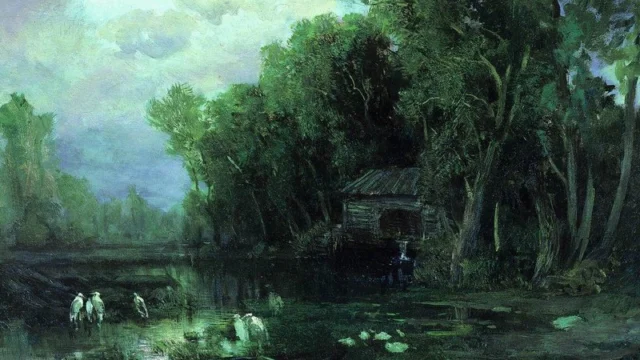
The damp, subterranean air of a Yorkshire cave held a secret that had remained undisturbed for years. On 24 August 1947, the silence of the underground chamber was broken by the intrusion of two men navigating the darkness. Beneath a heavy stone, a pair of shoes and a human skull sat in the shadows, waiting to be unearthed.
This discovery remains one of the most haunting archaeological mysteries in the West Riding of Yorkshire. It transformed a routine exploration into a chilling forensic puzzle, bridging the gap between a quiet rural landscape and the clandestine shadows of wartime espionage. The presence of a perfectly preserved body in such a remote location suggested a narrative far more complex than a simple accident.
A discovery in the dark
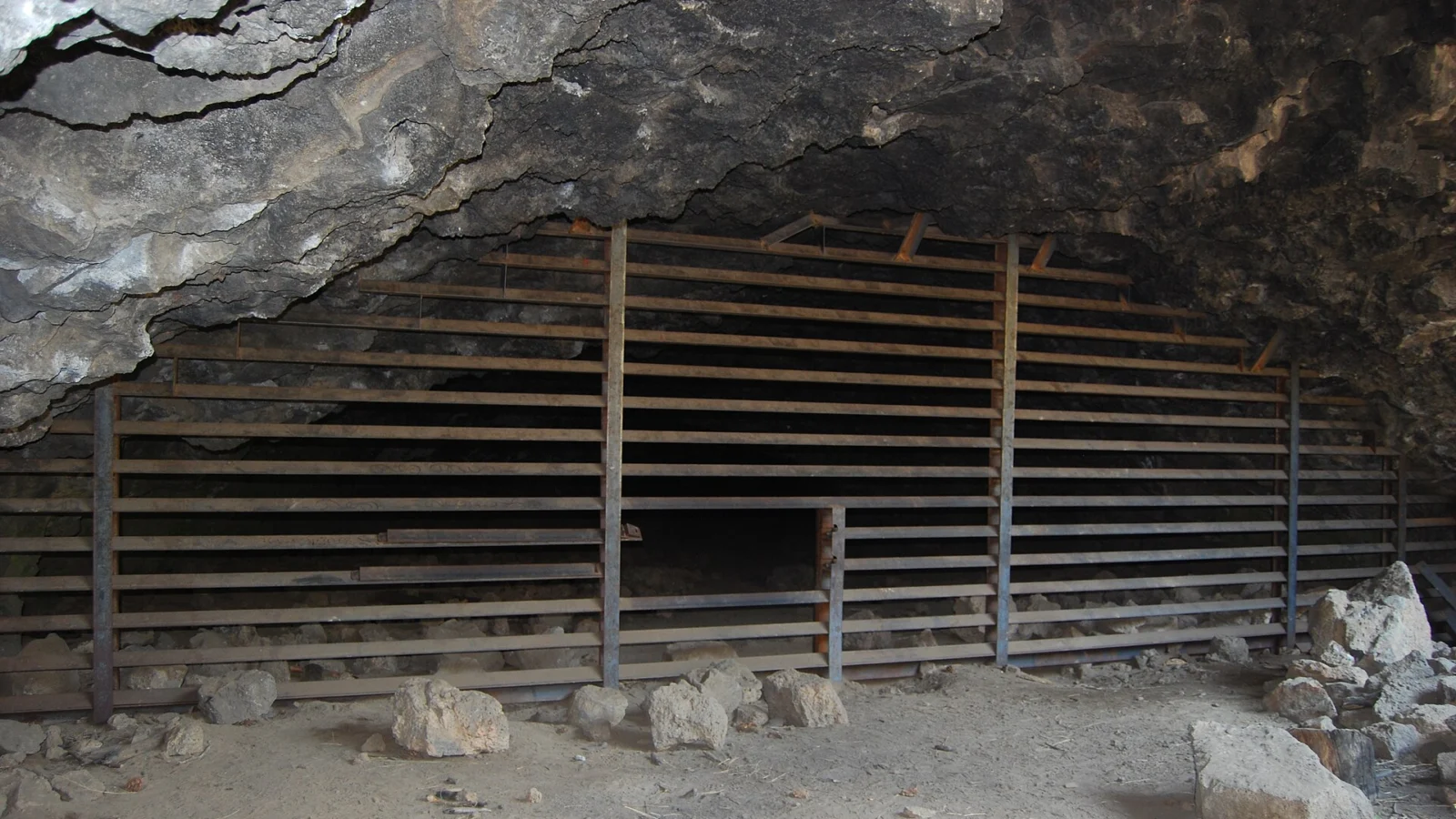
The remains were located by Jim Leach and Harold Burgess while they were out potholing in a cave near Clapham. At the time, Leach worked as an electrician and Burgess was a motor engineer, both hobbyists seeking the thrill of the underground. They navigated through the limestone, eventually identifying a small opening which they christened Body Pot.
As they moved deeper into the cave, Leach spotted the unmistakable shape of shoes and a skull resting beneath a large rock. Burgess continued the search and discovered a small bottle containing a white powder nearby. The site, named Trow Ghyll due to a topographical feature located 900 yards away, became the scene of a grim revelation that required immediate official intervention.
The authorities were summoned quickly to secure the location. Police Sergeant Nock of Ingleton arrived to guard the cave, ensuring the scene remained untouched until the remains could be safely extracted. Once removed, the body was transported to the Skipton mortuary, where the investigation into the man’s identity and ultimate fate began in earnest.
The man in the plum scarf
The forensic examination began on 26 August, led by Professor P. L. Sutherland. The post-mortem revealed that the man had been between 22 and 30 years old when he died. However, the timing of his demise presented a significant chronological gap, as the evidence suggested he had perished between two and six years before his remains were found in 1947.
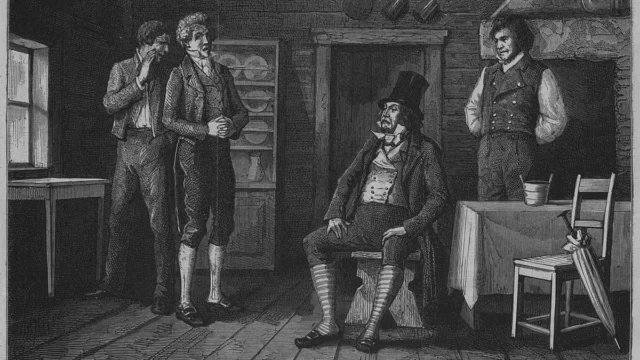
The details of his attire and belongings provided a vivid snapshot of a man who had prepared for a journey or a mission. Lewis Nickolls of the North East Forensic Science Laboratory examined the clothing, identifying a grey-blue suit, a tweedy herringbone overcoat, and a distinctive plum scarf. These were the garments of a man who dressed with purpose, not someone who had wandered into the cave by chance.
Among his possessions were items that suggested a methodical nature: a compass, a fountain pen, a watch, and a mysterious key. A mineral water bottle with a blue ‘crown’ top from 1940 was also recovered. Most tellingly, the man carried a collection of coins totaling 11 shillings 5 ½ pence, none of which were minted after 1939. These coins, combined with the bottle of Sodium cyanide found near the body, pointed toward a deliberate and tragic end.
Shadows of the secret service
The presence of Sodium cyanide, a lethal poison, changed the nature of the investigation from a search for a lost hiker to a potential investigation into a clandestine operation. The man’s belongings and the era of his death suggested he was active during a period of intense national tension. Investigators were left to piece together why a man in such refined clothing would carry a compass and a poison into the depths of a Yorkshire cave.
The inquest held at Skipton town hall eventually reached a stalemate, returning a verdict of insufficient evidence. Without a clear motive or a confirmed identity, the man remained a ghost in the records. However, the possibility of a darker purpose began to surface as researchers looked into the geopolitical climate of the time.
Legal historian A. W. B. Simpson looked at the evidence and proposed a chilling theory. He suggested that the man was a German spy, potentially linked to the German secret service. This theory gained weight when considering the historical context of the era, during which MI5 records confirmed that 115 German agents were sent to Britain. While the vast majority of these operatives were apprehended, one notable exception was Willem Ter Braak, who took his own life.
A lingering mystery
The story of the man at Trow Ghyll remains a haunting footnote in British history. It serves as a reminder of the hidden lives lived in the shadows of the mid-century, where secrets were buried deep underground. To this day, the identity of the man in the plum scarf remains unconfirmed, leaving his final moments as a permanent enigma.
The case is frequently cited as a pinnacle of wartime intrigue, representing a bridge between the rural peace of Yorkshire and the high-stakes world of international espionage. It stands as “the most notable mystery over a possible Nazi agent in Britain” — A. W. B. Simpson. The cave at Trow Ghyll still holds its secrets, just as it did for the man who died beneath the stone.
Background: Wikipedia