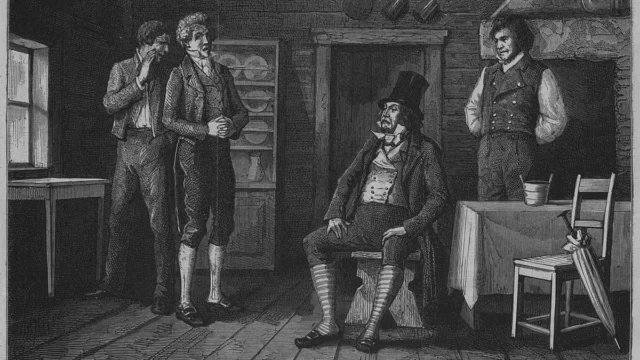
The air inside the Führerbunker is thick with the stench of decay and the metallic tang of blood. It is April 1945, and the final days of World War II are unfolding in a nightmare of occult shadow and rotting flesh. Adolf Hitler stands before a condemned Wehrmacht officer, his face a mask of fanaticism as he prepares to unleash a desperate, supernatural gamble to save his dying regime.
Zombie Army Trilogy is a third-person tactical shooter that reimagines history through a lens of macabre fantasy. It stands out as a notable entry in the gaming landscape because it blends the gritty, grounded mechanics of a sniper simulator with the high-octane spectacle of a zombie apocalypse. By merging the historical weight of the Second World War with supernatural horror, the game creates a bizarre, alternative reality where the ultimate enemy is no longer just a human soldier, but a resurrected corpse.
Read more: Office 2024 Deal: Skip the Monthly Fees and Own Your Software
A twisted end to a global war
The narrative journey begins in the heart of Berlin, where the atmosphere of desperation reaches a breaking point. As the Allied forces close in, Hitler initiates ‘Plan Z’, a radical strategy involving occult rituals designed to raise fallen soldiers from the grave. This transition from traditional warfare to a supernatural siege provides the foundation for the entire experience, turning the closing chapters of the war into a fight against the undead.
The game serves as a comprehensive collection, housing remastered versions of two standalone DLC titles released in 2013 alongside a previously unreleased third installment in the Nazi Zombie Army series. It was first launched on 6 March 2015 for the PlayStation 4, Windows, and Xbox One, eventually expanding its reach to the Nintendo Switch in North America and Europe on 31 March 2020, followed by a Japanese release on 28 May 2020. Through these three stories, players navigate a timeline where the line between the living and the dead has been permanently blurred.
Snipers, explosives, and anatomical carnage
At its core, the gameplay focuses on the art of the long-range shot rather than reckless, head-on aggression. Players must master complex sniper mechanics, accounting for environmental factors such as wind direction, the physical drop of a bullet over distance, and the unpredictable nature of ricochet effects. When the undead press too close, the tactical approach shifts toward high-impact explosives, including the strategic placement of tripwire mines, the heavy blast of grenades, and the volatile power of dynamite.
One of the most visceral elements of the experience is the X-Ray Kill Cam, which provides a gruesome, slow-motion look at how bullets interact with anatomy. This feature highlights the game’s commitment to realistic damage, showing the internal consequences of every successful shot. The linear level design ensures that the action remains constant, moving the player through a series of increasingly intense encounters that demand both precision and explosive power.
The hunt for the Sagarmatha Relic
The protagonists of this tale are a diverse group of fighters, including Karl Fairburne, Boris Medvedev, Hermann Wolff, and Efram Schweiger. They are united by a singular, desperate mission: to recover the Sagarmatha Relic, a powerful artifact believed to be the only defense against the rising tide of the undead. The stakes are heightened by the looming threat of Operation Red Harvest, a terrifying plan to carpet bomb Berlin with atomic weapons to stop the spread of the infection.
The narrative reaches a fever pitch in August, when Hitler himself rises from the grave to lead the Undead Reich. The conflict culminates in a final, desperate stand within a fortified facility located in irradiated badlands. In a dramatic conclusion to the saga, the quartet of heroes manages to toss Hitler down to Hell, effectively ending the supernatural threat to the world. “Hitler executes the officer and declares that the Fatherland will not fall.”
A legacy of undead warfare
While the game received mixed or average reviews on Metacritic, its impact on the genre remains distinct. It successfully bridged the gap between the Sniper Elite series and the burgeoning popularity of zombie survival titles, offering a unique aesthetic that few other games have dared to replicate. The addition of the Left 4 Dead main characters to the PC version in August 2015 further cemented its place as a crossover event of sorts for fans of the genre.
The success of this trilogy paved the way for its successor, Zombie Army 4: Dead War, which arrived on 4 February 2020. By blending historical settings with occult horror, the developers created a world where the ghosts of the past literally refuse to stay buried. It remains a bizarre, bloody chapter in gaming history where the ultimate victory was found in the depths of the underworld.
The dead don’t stay buried.
More from Ungrid Now
- AO3 Is Back: Security Warnings Issued After Major Platform Outage
- Date Disaster: TikToker’s Night Ends With Vomit on Dad’s Car
Background: Wikipedia