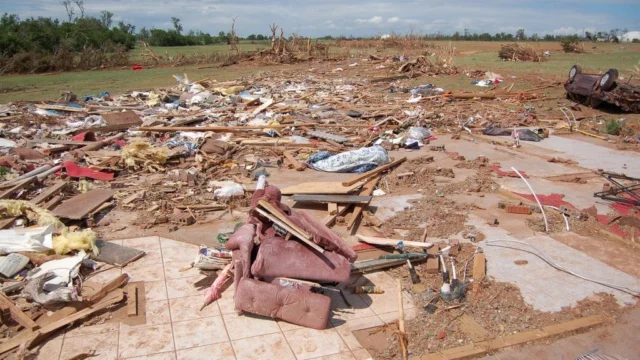
The ancient stones of Monmouth bore the devastating mark of a deluge in November 2025. When the River Monnow breached its banks during the onslaught of Storm Claudia, the town was plunged into a watery crisis. The sheer scale of the natural disaster overwhelmed the town’s defences, which were originally constructed three and a half decades earlier. This catastrophic event redefined the limits of resilience for the community.
The major incident saw the Monnow swell dramatically, rising to over six and a half metres. The flood was officially classified as a one-in-75-year occurrence, with floodwaters reaching depths of 1.5 metres in many areas, and nearly 2.5 metres in the most severely impacted pockets. A severe flood warning was issued for northern Monmouth by the National River Agency, highlighting the immense danger posed by the rising water. The immense scale of the disaster led to over 400 properties across Monmouth being submerged by the river.
Read more: Toxic Chemicals Retreat: English Rivers Show Significant Environmental Recovery
The inadequacy of old defences
The storm’s fury revealed the limitations of the infrastructure designed to protect the town, which had been built 35 years prior. This failure demonstrated that even established defences were insufficient against the power of a major weather system. Furthermore, the broader context of flooding in Wales is a serious concern, with estimates suggesting that one in seven properties within the region face a risk of inundation.
The climate outlook suggests that such extreme weather is becoming more common, with Met Office figures indicating that wet winters are now occurring at intervals as short as every 20 years. This shift in climate patterns underscores the need for serious re-evaluation of flood defence strategies nationwide.
Life lived on the brink
In the wake of the devastation, the personal stories of the residents highlighted the profound and lasting trauma. For one resident, Jean Powell, the ordeal stretched into a prolonged period of displacement. The 95-year-old woman sought temporary safety in a Wetherspoons guest room within Monmouth.
For ten months, Jean Powell remained displaced by the floods, receiving exceptional care from the Wetherspoons staff throughout her stay. Her situation was emblematic of the suffering endured by those who lost their homes, a sense of displacement that lingered long after the waters receded. She famously voiced her distress to friends, asking, “Jean used to say, when am I going home?”
Another family, the Frosts, faced a harrowing experience, requiring evacuation via a lifeboat. They were forced to live in temporary rental accommodation for a continuous six months following the event. Their struggle was not unique, as their house had already been flooded twice within a five-year period, illustrating the vulnerability of property in the area.
A lingering shadow
The aftermath of the flooding has left deep scars on the community, not just physically, but emotionally. Even a year later, the trauma stemming from the devastation persists among the survivors. Jennifer Morgan spoke candidly about the lasting toll, stating, “I’ve not slept well for a year.”
Beyond the immediate crisis, the recovery process proved arduous, with the refurbishment of Jean Powell’s home taking a considerable amount of time to complete. Even high-profile figures, such as Prince William, visited the impacted communities in the Monmouth area to acknowledge the gravity of the situation.
The severe floods of November 2025 served as a stark reminder that the power of nature can swiftly dismantle the sense of security. The echoes of the surging Monnow still resonate through the town, a watery memory of how quickly life can be swept away.
More from Ungrid Now
- Preparedness Surge: How A Campaign Changed Supermarket Shopping
- Ancient Maya’s Toxic Legacy: How Red Paint Poisoned Yucatán Water
Source: BBC News