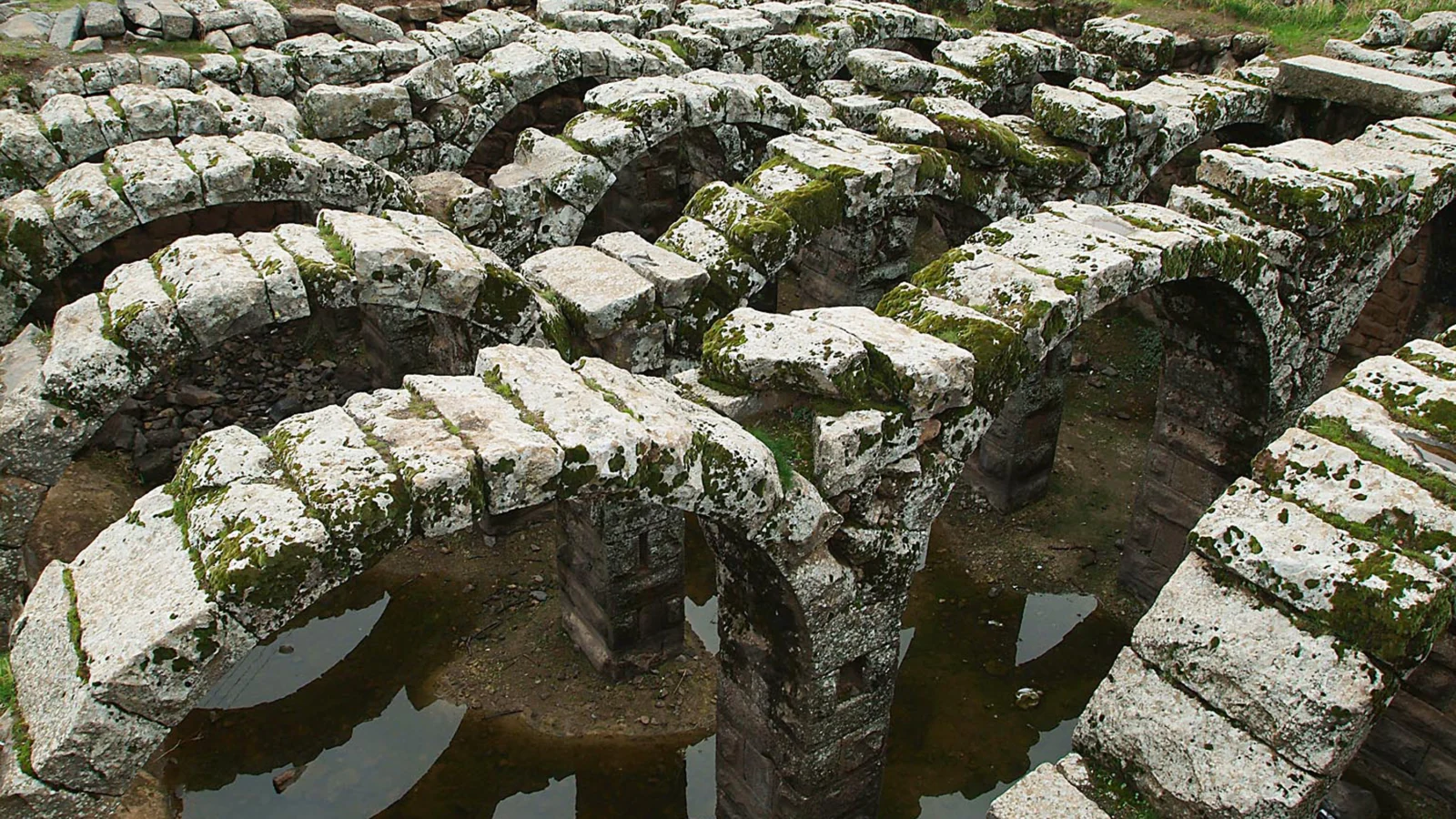
In the heart of the Yucatán Peninsula, where ancient civilizations flourished amidst lush jungle canopy, lies a sobering environmental secret. This region, synonymous with the majesty of the Maya civilization, holds evidence of a profound and unintended ecological disaster. Deep within the earth, sediment cores reveal traces of a toxic legacy that speaks to the intersection of culture and contamination.
Recent scientific investigations have uncovered evidence that the Maya people unknowingly introduced dangerously high levels of mercury into the local water sources. This contamination, affecting the vital water supply in Yucatán, is directly linked to the cultural practices of the Maya. The findings, published in late 2026, indicate that the poisoning was not malicious, but rather a consequence of their traditional use of red paint.
The pigments of the past
The study offers a detailed look into the environmental impact of the Maya’s daily life and creative rituals. The central focus of the research is the examination of the Maya’s cultural practices and how they interacted with the natural world. The red paint, a staple of their artistic and ceremonial life, was the key factor in this unintentional environmental crisis.
Archaeological evidence suggests that this specific red pigment contained mercury. As the Maya utilized this paint extensively, the toxic substance was introduced into the local environment. This process led to the mercury being introduced into the water system, ultimately affecting the crucial water supply throughout Yucatán.
A toxic legacy of art
The evidence collected from the sediment cores provides undeniable proof of the pollution’s existence. These cores act as geological time capsules, preserving the history of the environment in Mexico. The researchers discovered that the mercury levels present in the ancient water sources were extremely high, presenting a significant ecological hazard.
The contamination is directly attributed to the Maya’s traditional use of the mercury-containing red paint. This discovery shifts the narrative from one of ancient warfare or societal collapse to one of subtle, systemic environmental impact. The Maya civilization, responsible for this poisoning, did so entirely unintentionally, through the natural lifecycle of their cultural materials.
Rethinking ancient practices
This research fundamentally alters our understanding of how ancient cultures impacted their environments. It highlights that even the most deeply entrenched cultural practices can carry unforeseen and severe ecological consequences. The study serves as a potent reminder that human interaction with nature, even when driven by tradition and artistry, leaves a lasting footprint.
The findings compel a re-evaluation of how we view the relationship between ancient societies and their local ecosystems. The legacy of the Maya civilization is therefore not only one of magnificent architecture and complex social structures, but also one of unintended environmental consequence. Just as the ancient ingenuity created vibrant art, it also left behind a toxic shadow in the waters of Yucatán.
Source: Live Science