The idea of a sudden disruption—whether caused by severe weather or a sophisticated cyberattack—is a scenario that often lives in the realm of fiction. Yet, the reality of such potential interruptions can have immediate and tangible effects on everyday life, particularly when shelves start to empty. When the government launched its ‘Be Ready’ campaign on 22 October, it prompted a noticeable change in consumer behaviour across the nation. The public’s response to anticipating potential service disruptions was swift and highly visible.
The national campaign, designed to prepare people for difficult moments, appeared to have a profound effect on supermarket spending. In the ten days immediately following the campaign’s announcement, sales of essential household goods saw a dramatic and measurable increase. The advice provided to citizens—including the recommendation to keep three days’ worth of food and water—directly correlated with the subsequent surge in demand observed by tracking services.
Read more: Ancient Maya’s Toxic Legacy: How Red Paint Poisoned Yucatán Water
What exactly were people stocking up on?
The data captured by Worldpanel by Numerator showed that the bulk of the behavioural change centred on hygiene and preserved foodstuffs. Hand sanitiser sales, for example, experienced a massive jump of 83% during this period. Bottled water sales also saw a significant uplift, rising by 67% year-on-year.
This heightened focus on preparedness wasn’t limited to liquids and hygiene products. Tinned and jarred goods, which are known for their shelf stability, saw a considerable climb of 37%. The immediate increase in demand was attributed to the general advice that consumers should be ready for a period of service disruption.
The financial implications of readiness
The sheer scale of the buying spree is reflected in the financial figures recorded across these product lines. Tinned and jarred goods sales, for instance, increased from £58.2 million in 2025 to an estimated £79.5 million in 2026. Meanwhile, bottled water sales rose from £13.6 million to £22.8 million year-on-year.
These figures suggest that the campaign successfully motivated a significant reallocation of spending towards durable necessities. Specific items within these categories also saw targeted increases; Princes noted a particularly high demand for tinned tuna, meat, and vegetables. Experts like Fraser McKevitt observed that this growth was primarily driven by people purposefully adding recommended items to their household supplies.
What does this mean for the future?
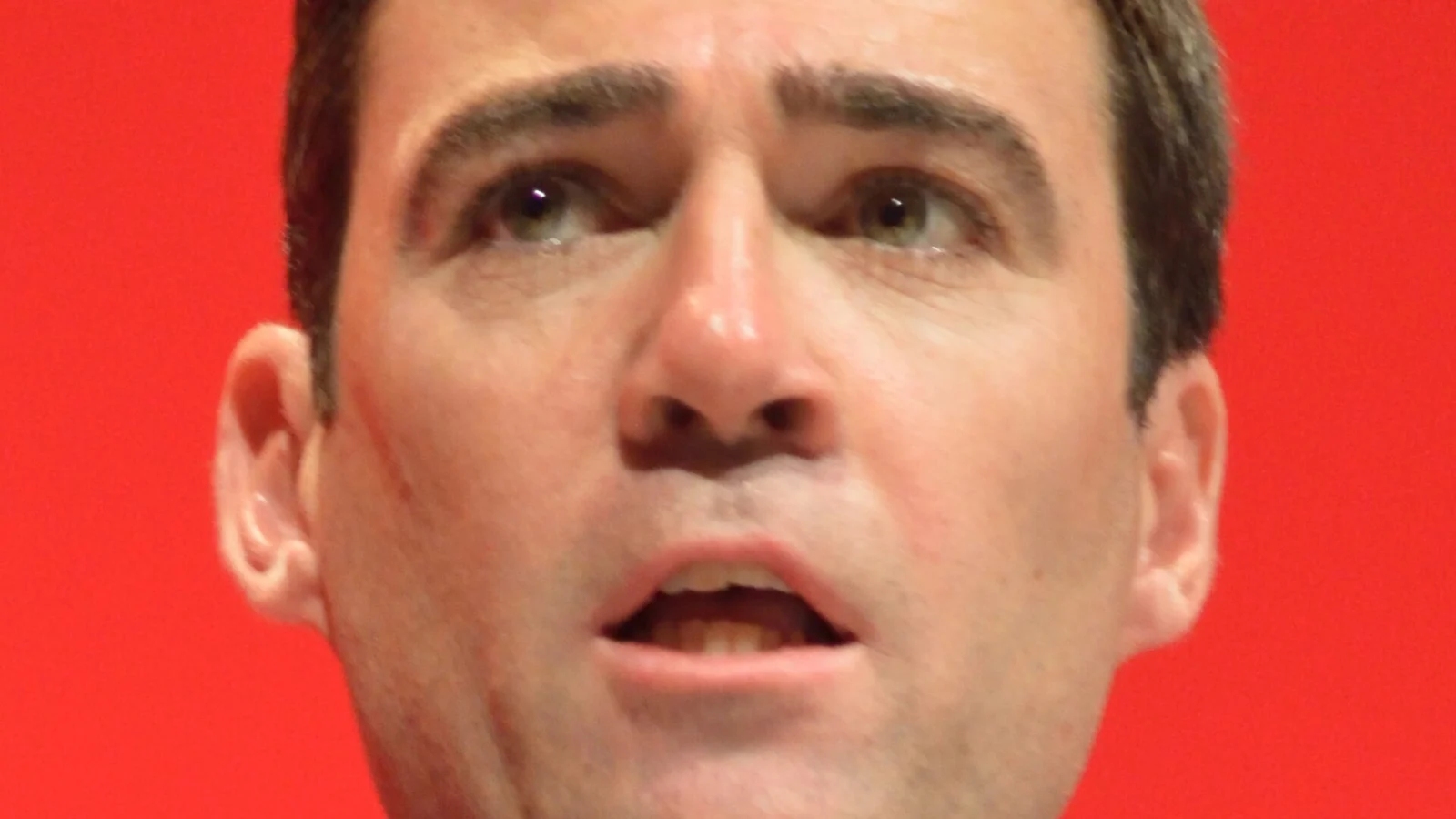
The reaction proved that a public awareness campaign can rapidly shift consumer habits, prompting people to think beyond immediate needs. Prime Minister Andy Burnham emphasised the importance of having supplies for difficult moments, advising the public to consider “those supplies in the house to get you through those moments.” The typical purchase amount for tinned meat, remaining at 500g, suggests a measured, practical approach to stocking up rather than reckless consumption.
Worldpanel, however, was careful to clarify the nature of the surge, stating explicitly that the accumulated stockpiling was not synonymous with panic buying. The initial advice provided—which also included recommending wet wipes, a torch, and cash—guided the public towards a sensible preparation. Ultimately, the message from the government is clear: having supplies in the house can get you through those moments.
More from Ungrid Now
- Mapping Our Minds: The Centuries-Old Art of British Cartography
- Apex Predator Arrival: The Eagle Threat to Seabird Colonies
Source: BBC News