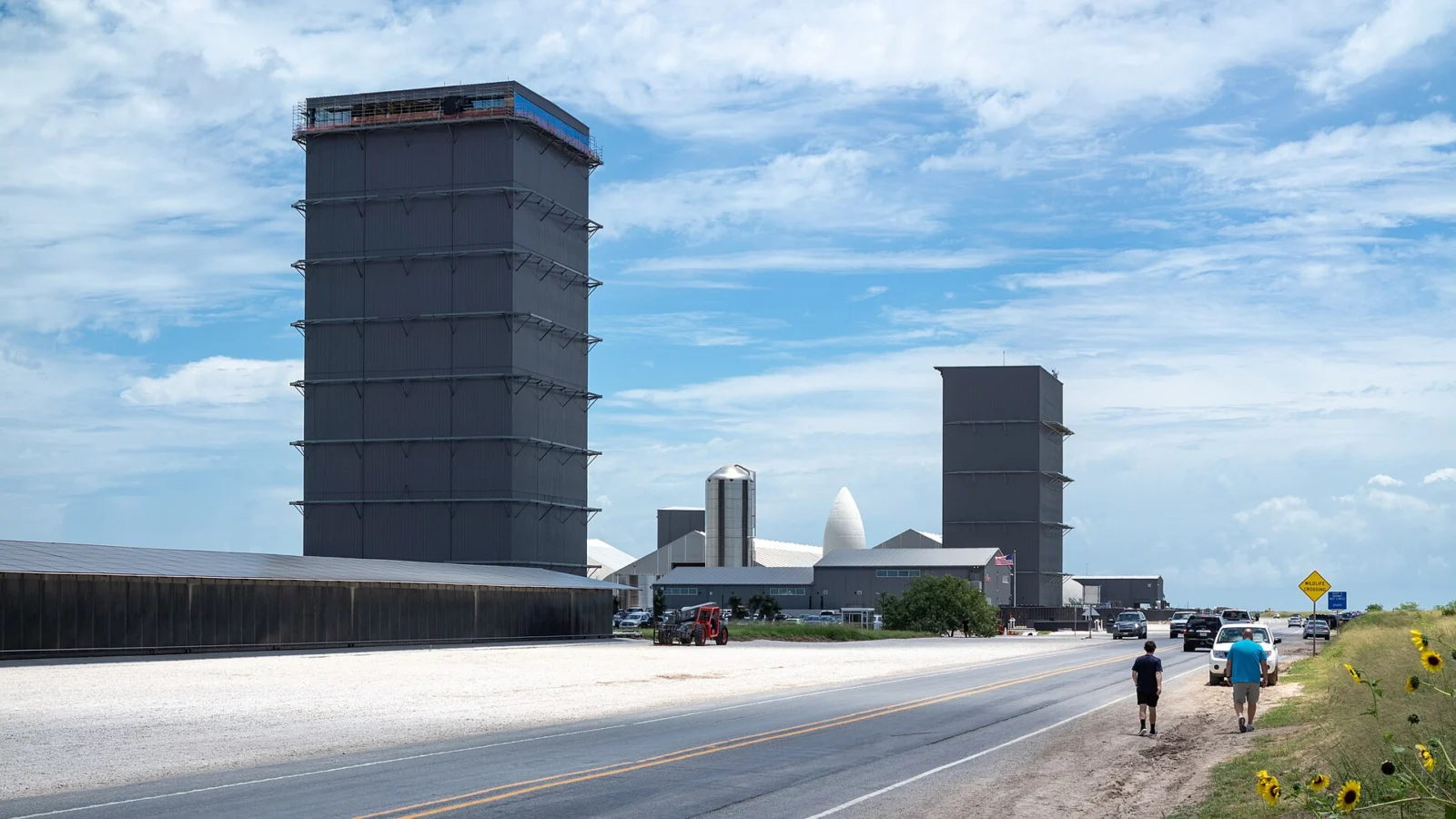
The Texas sun beat down on the vast expanse of Starbase as the massive machinery of the aerospace industry hummed with intense energy. Dust clouds swirled around the towering structures where engineers and technicians monitored every vibrating sensor and data point. It was a scene of high-stakes engineering, where the line between a revolutionary success and a catastrophic failure is measured in mere seconds of telemetry.
On a Saturday following an intensive test flight, SpaceX achieved a monumental milestone in its quest to conquer orbital mechanics. The company successfully returned its massive Starship megarocket back to the launch pad after a grueling journey through the atmosphere. This feat was completed at the Starbase facility in Texas, where the orbital craft was physically gripped by mechanical arms attached to the launch tower.
Read more: FAA to retire floppy disks in major air traffic control overhaul
A milestone in orbital recovery
The spacecraft in question is a towering 171ft bullet-shaped craft designed to push the boundaries of modern exploration. During this specific mission, the craft endured a total of 22 hours in space, completing a full orbit of the Earth 14 times. This flight represented the 15th test flight for the Starship program, a series of trials aimed at perfecting the vehicle’s reliability.
The architecture of the rocket is divided into two primary components, known as Super Heavy and Starship. While the Super Heavy serves as the powerful lower booster stage, the Starship acts as the upper stage that carries the payload into the heavens. Both components rely on the formidable power of Raptor engines to provide the necessary thrust for an orbital ascent, pushing the craft against the weight of gravity.
The mechanics of a successful catch
One of the most significant achievements of this particular flight was the successful capture of the upper stage by the mechanical arms. This marks the first time the company has managed to catch the upper stage of the craft upon its return. Previously, the strategy for test flights had necessitated a much more difficult recovery process, which required retrieving the hardware from the sea after it landed in the water.
The mission did not go entirely according to the original plan due to an incident that occurred earlier in the week. The booster stage exploded just a few minutes after it took off on Friday, a failure that halted the momentum of the day’s objectives. Because of this explosion, the team was unable to perform a planned double-catch mission, which would have involved returning both the booster and the upper stage intact to the launch site.
The road to a reusable future
The overarching goal of this entire campaign is to transform the megarocket into a fully reusable vehicle. By perfecting the ability to catch and land these massive components, the company aims to drastically reduce the cost of reaching space. This capability is essential for the long-term vision of the program, as the rocket is specifically designed to eventually support human spaceflight and deep-space exploration.
Every successful landing brings the company closer to a future where rockets are treated more like aircraft than disposable missiles. Each test flight provides invaluable data on how the Raptor engines and the structural integrity of the Starship hold up under the extreme stresses of atmospheric reentry. As the technology evolves, the dream of a reusable fleet moves from a theoretical concept into a tangible reality of modern engineering.
The success of the mechanical arm capture signals a massive shift in how orbital vehicles are serviced and recovered. While the double-catch remained out of reach this time, the preservation of the upper stage remains a triumph of precision. The machinery stood tall against the Texas horizon, holding the weight of a new era in space travel.
More from Ungrid Now
- Maxwell M1 Hybrid cargo plane flies 1,150 diesel-electric miles
- New glaucoma genetic test could prevent permanent blindness
Source: the Guardian