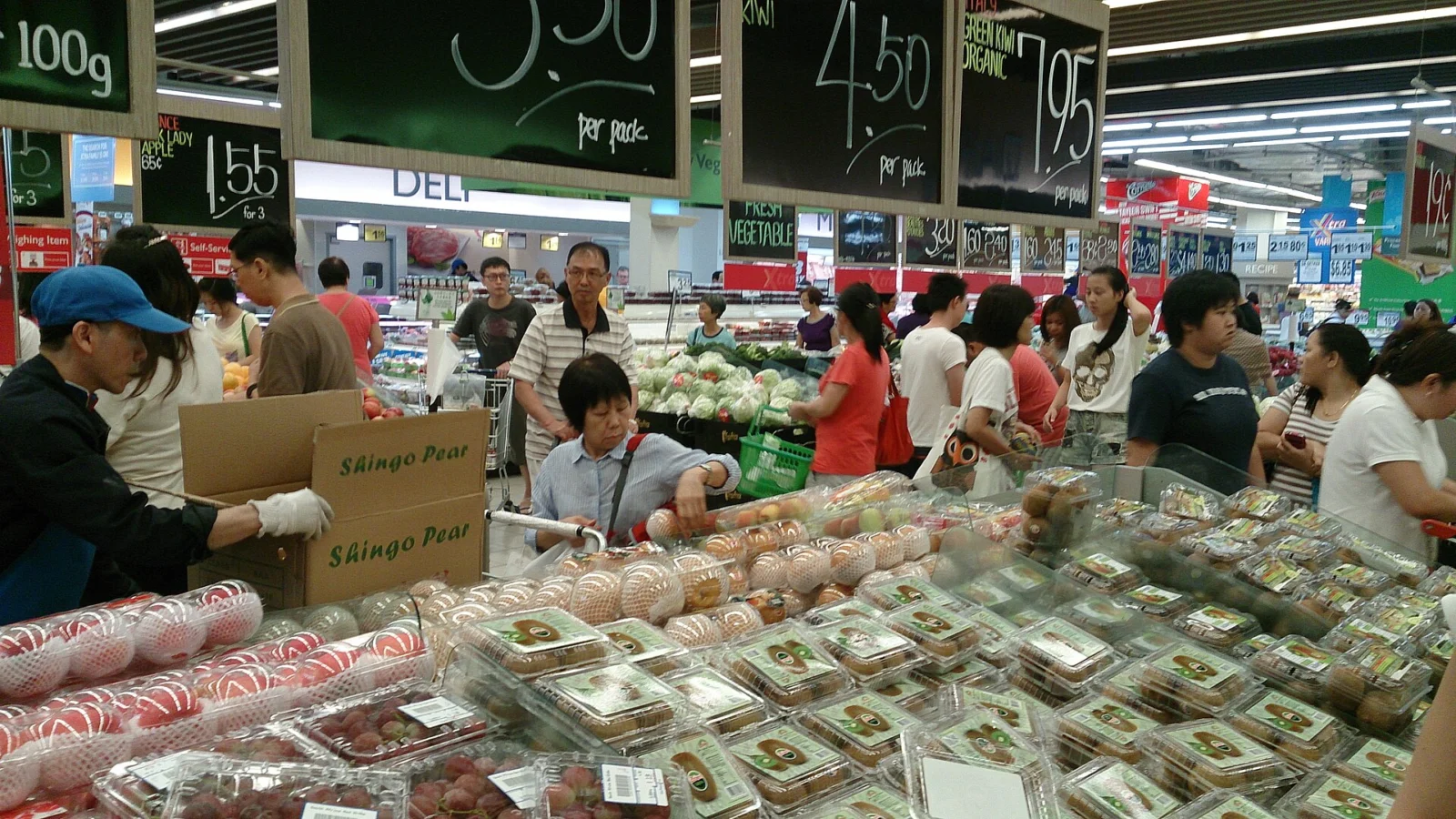
The crisp chill of a British winter morning settles over the supermarket aisles, and there, displayed prominently, are bags of vegetables priced at a mere 8p per kilogram. It is a deeply ingrained ritual, an annual price war waged by the major grocers. Nearby, the hotdog and soda combo sits at a fixed price of just US$1.50, a figure that has remained unchanged since 1985. These seemingly bargain staples are not simply priced for value; they are carefully deployed instruments of commerce, designed to lure shoppers into the depths of the store.
This commercial tactic, known as the loss leader, is a calculated strategy where a product is deliberately sold below its minimum profit margin. The objective is not to make money on that specific item, but rather to stimulate the overall sales of other goods and services in the store. These promotions are intended to lead customers, having been drawn in by the bargain, to subsequent purchases of more profitable items. Retailers are thus forced to analyze both the direct and indirect effects of these deep price promotions, recognizing that the true profit lies in the basket, not the individual item.
From tin-plated cars to packaged snacks
The concept of using a promotional anchor to drive sales is not limited to modern supermarkets; it has roots in industrial goods and entertainment. Consider the launch of the basic Mini model by the British Motor Corporation in 1959. The initial price point of £496 meant that BMC was effectively losing £30 on every car sold. This was a massive investment designed to establish market presence and drive the sale of ancillary parts and services.
The strategy extended beyond physical goods into the realm of recorded music. In the 1970s, the Warner/Reprise series utilized promotional sampler albums as loss leaders, with each double album priced at a mere US$2. This was a promotional mechanism designed to introduce consumers to a wider catalogue of artists and recordings. Even in the age of technology, the principle held fast; in 1979, Earl Muntz sold blank tapes and VCRs using this same low-cost approach.
The strategic placement of the bargain
The allure of the bargain is meticulously managed, often requiring consumers to navigate the store to find the enticing deal. Sometimes, these loss leaders are placed in inconvenient parts of the store, such as the rear sections, ensuring that shoppers must pass through high-margin aisles to reach the initial attraction. Often, the items chosen are products that customers purchase frequently, signaling a reliable bargain to the consumer.
However, the deployment of the loss leader is also governed by rules designed to prevent misuse. For instance, limited stock or artificial scarcity, such as offering a maximum of ten bottles, is used specifically to discourage customers from stockpiling the product. Conversely, some loss leaders are staples—items like rice, milk, or eggs—because they are universally recognized as necessary purchases, drawing out the masses.
Beyond perishable goods
The scope of the loss leader is remarkably broad, spanning everything from automotive accessories to prestige items. Hardware stores, for example, might sell large tools at or even below cost simply to boost the sales of smaller, more profitable accessories. Similarly, toy stores often rely on basic necessities, like nappies or diapers, to entice parents into the store, knowing that the initial visit is solely for the item itself.
Even high-end goods can be deployed in this way, used not for their inherent value, but to enhance the perceived prestige of the store or to attract ‘lookers’ who might be interested in more expensive merchandise. The phenomenon is so widespread that it continues to manifest in modern commerce, with grocers waging annual price wars for Christmas vegetables across the UK.
The enduring power of the initial pull
The loss leader, therefore, is less about cost and more about psychological manipulation, guiding consumer behaviour from the moment a shopper enters the premises. It turns a simple price markdown into a sophisticated sales funnel, ensuring that the focus remains on the full range of offerings rather than just the advertised bargain. The analysis of these indirect effects is what makes the strategy so powerful and so difficult to regulate.
Despite the various forms it takes—from the £30 loss on a basic Mini to the 8p kilogram of vegetables—the core principle remains unchanging: the initial, irresistible pull that gets you through the door. It is the promise of the bargain that keeps the machine running, drawing you in with the low price, and keeping you circulating until the basket is full.
Background: Wikipedia