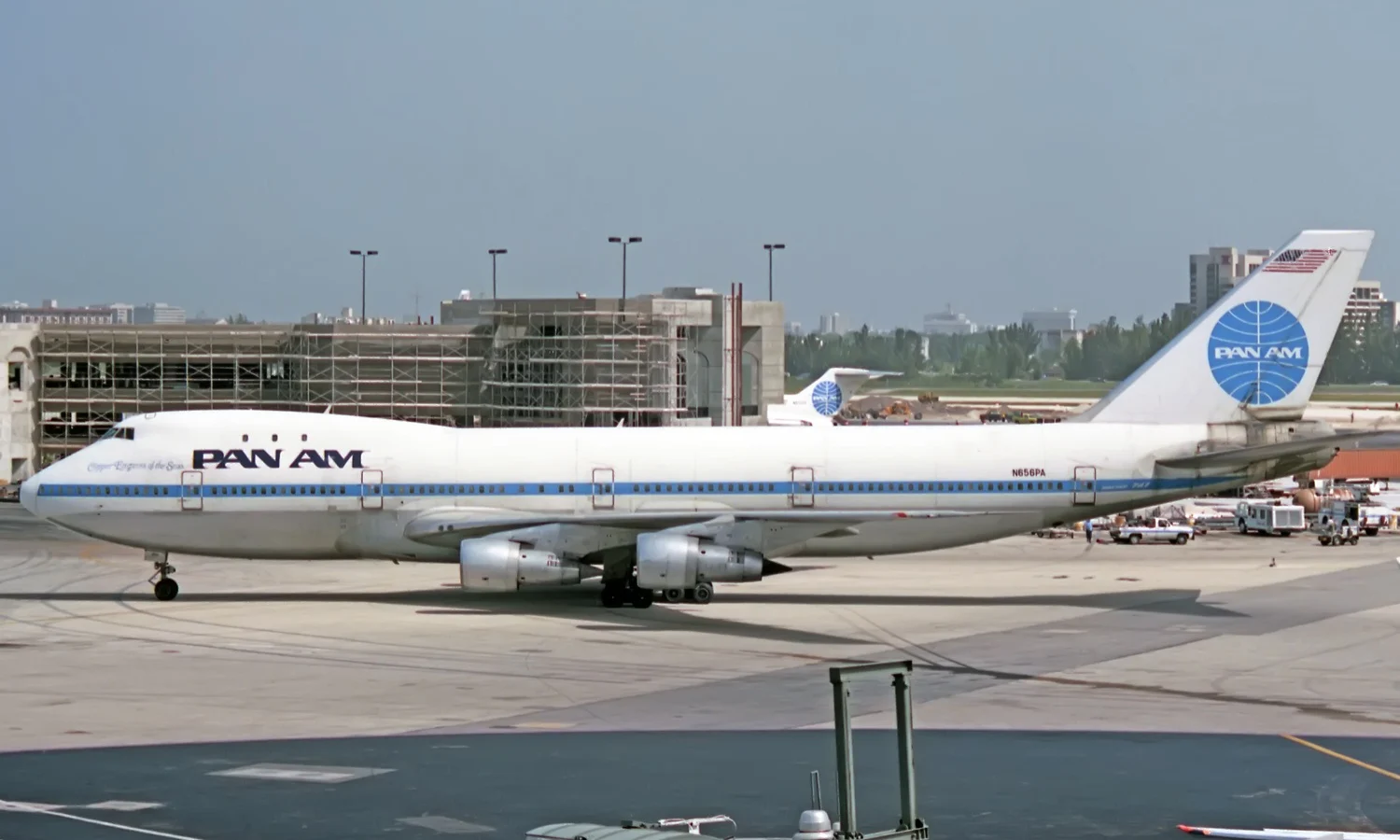
The roar of the engines filled the air as the Boeing 747-100, registered N656PA, traversed the skies on its scheduled journey. Inside, a total complement of 379 people, comprising both passengers and crew, were beginning a long transit from Bombay. The promise of reaching New York City, with necessary stops in Karachi and Frankfurt along the way, suggested a routine passage of international travel.
This particular flight, Pan Am Flight 73, represented more than just a commercial route; it was a vessel carrying nearly four hundred souls through the geopolitical tensions of the time. The day, September 5, 1986, was destined to become a terrifying crucible, transforming an expected journey into a harrowing ordeal against the will of its passengers and crew.
Read more: Iraqi protests: How the Tuk-Tuk Revolution challenged the status quo
The sudden turn of events
The supposed routine of the flight shattered when the aircraft was taken over in Karachi. Four armed Palestinian militants initiated the hijacking, immediately seizing control of the massive jetliner. The militants, who were connected to the Abu Nidal Organization, swiftly established their authority aboard the aircraft.
The hijackers quickly made their demands, insisting that the pilots be returned to the operational controls of the plane. The situation escalated rapidly, turning the supposed haven of the skies into a pressurized cage. The cabin crew, demonstrating remarkable quick thinking, managed to conceal the US passports both under seats and within the plane’s trash chute, an act that speaks volumes of their desperate resourcefulness.
A tense, protracted standoff
What unfolded over the next period was a desperate, protracted standoff that lasted for seventeen grueling hours. During this time, the aircraft experienced a critical failure, as the lights eventually failed due to the loss of power from the APU and the battery systems. The militants maintained a dangerous atmosphere aboard the plane, utilizing automatic rifles and even throwing grenades inside the cabin.
In a moment of critical action, the cockpit crew managed to escape through an overhead hatch after alerts were sounded, an escape that proved instrumental in foiling the hijackers’ original plans to fly the plane to Cyprus. The tension was palpable, with the militants issuing threats; one of them stated, “I’ll kill Kumar unless a cockpit crew was sent to the aircraft.”
Aftermath and investigation
The sheer duration and violence of the ordeal ultimately forced external intervention. Eventually, the Pakistan Armed Forces were able to enter the aircraft, breaking the militants’ control and bringing the ordeal to a close. Tragically, the confrontation claimed the lives of at least 20 people, a heartbreaking toll that included the loss of Neerja Bhanot and Meherjee Kharas.
The global community began looking for answers regarding the motive and the connections behind the hijacking. US officials drew lines between the incident and the bombing that had taken place in the United States by Libya in 1986, suggesting a political dimension to the hijacking. Following the events, five individuals, including the four hijackers, were eventually sentenced in July of 1988.
Lingering echoes of courage
The repercussions of the hijacking continued long after the immediate crisis passed. One of the key figures, Safarini, was eventually extradited back to the United States and received a sentence of 160 years in 2005. Furthermore, the four hijackers who were initially released were later deported to Palestine in 2008.
The acts of bravery displayed by those aboard the aircraft did not go unnoticed. Bhanot herself received the Ashoka Chakra and the Tamgha-e-Insaniyat posthumously, while the US Department of Justice recognized the bravery with a ‘Special Courage Award’ in 2006. The narrative of this harrowing event has been preserved for posterity, appearing in the 2016 film Neerja and the 2023 documentary Hijacked: Flight 73.
Yet, even decades later, the memory of Pan Am Flight 73 serves as a stark reminder of the resilience of the human spirit when faced with absolute terror. The sheer determination shown by survivors, like the cabin crew hiding vital documents, illustrates that even when the skies seem controlled by darkness, the will to survive remains unbreakable.
More from Ungrid Now
- Sleepy Lagoon murder: The 1942 crime that sparked a civil rights battle
- TWA Flight 355 hijacking and the fight for Croatian independence
Background: Wikipedia