The humid air of August 1942 hung heavy over the reservoir near the Los Angeles River. Beneath the surface of the water, the ripples settled as a young man, José Gallardo Díaz, lay dying in the silt. He had been found near the water’s edge on the second of the month, a victim of a brutal confrontation that would soon ignite a firestorm of racial hostility across California.
This incident, which the local press branded the Sleepy Lagoon murder, serves as a grim landmark in American history. It was not merely a local crime but a flashpoint that exposed the deep-seated prejudices of the era. The case highlighted how the legal system and the media could unite to target a specific demographic, turning a tragic death into a crusade against a minority community.
Read more: TWA Flight 355 hijacking and the fight for Croatian independence
A night of music and violence
The evening began with a sense of normalcy, as José Gallardo Díaz attended a social gathering hosted by Eleanor Delgadillo Coronado. It was a typical night for the youth of the area, but it ended in a violent detour. After the party, Díaz departed with two companions, Luis “Cito” Vargas and Andrew Torres, heading toward the vicinity of the reservoir.
The serenity of the location, which took its name from a 1942 song by Harry James, was shattered when a group from the 38th Street neighborhood intercepted them. Seeking revenge, the group confronted Díaz, leading to a physical struggle that left him with a fractured skull and suspected stab wounds. By the time he was discovered, the violence had already been committed, leaving behind a crime scene that would become a national headline.
A courtroom of prejudice
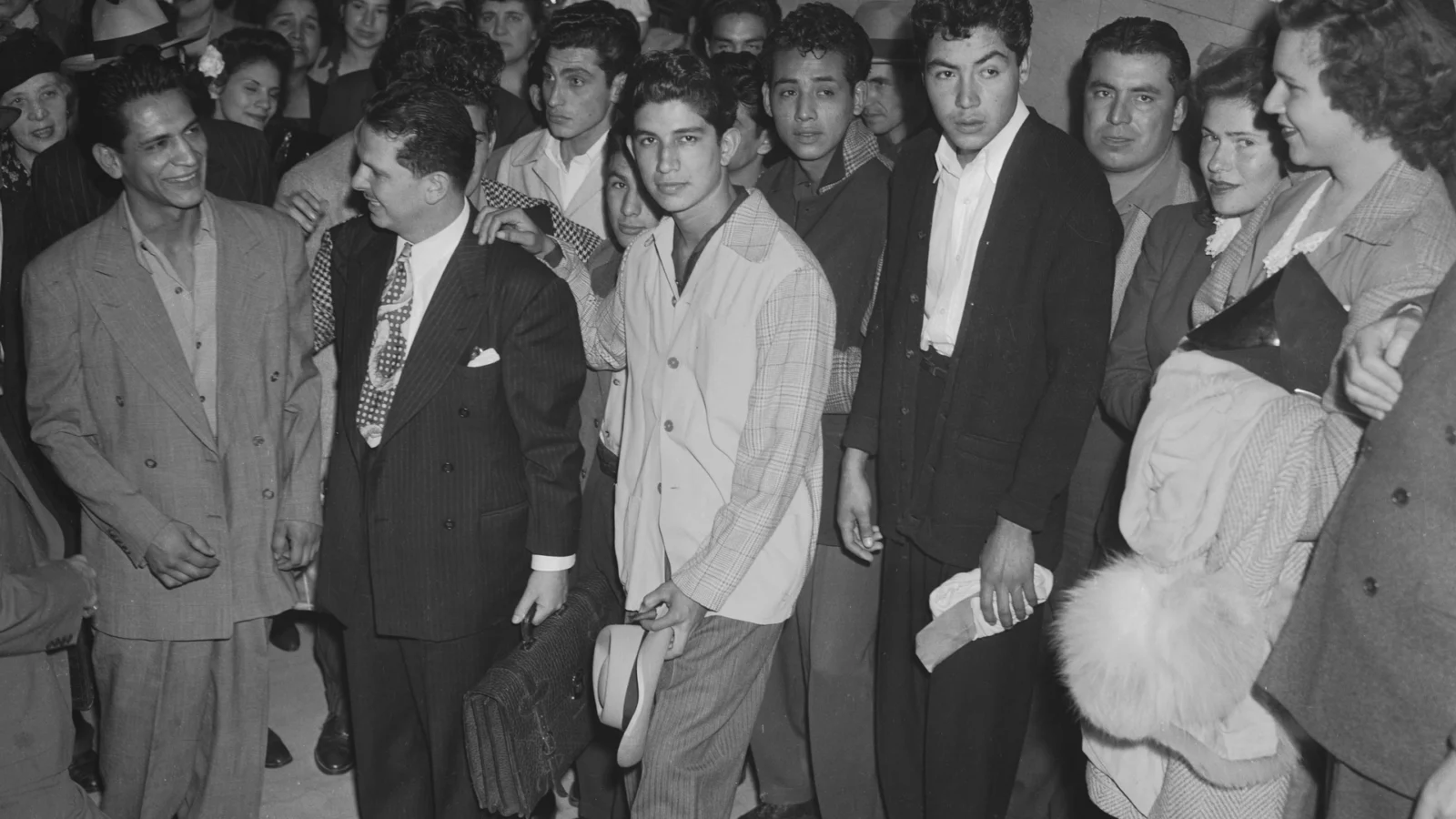
The response from the authorities was swift and sweeping. The LAPD rounded up seventeen Mexican-American youths on murder charges, a move that many observers felt lacked sufficient evidence. The atmosphere of the time was one of heightened suspicion; just months earlier, Executive Order 9066 had led to the internment of Japanese Americans, and the Bracero Program was simultaneously bringing Mexican citizens to the United States for agricultural labor.
Inside the courtroom, the environment was intentionally hostile. Judge Charles W. Fricke presided over the trial in January 1943, where the defendants were forbidden from sitting near their attorneys or even changing their clothes. The prosecution leaned heavily into the era’s racial anxieties. During the proceedings, the court allowed E. Duran Ayres to testify about a “biological predisposition” to crime, stating that “Mexicans as a community had a “blood-thirst” and a “biological predisposition” to crime and killing”.
The fight for justice
The initial verdict was a crushing blow to the community. Twelve of the defendants were convicted of second-degree murder and sentenced to time at San Quentin. However, the outcry against the unfairness of the trial sparked a massive counter-movement. The Sleepy Lagoon Defense Committee was established to fight for an unbiased trial, transforming the legal battle into a broader civil rights crusade.
The committee, which included prominent figures like Luisa Moreno and Dorothy Healey, faced immense pressure from the state. The legislature branded the group a Communist front, and even actor Anthony Quinn, who raised funds for the defense, was labeled a communist by the authorities. Despite this intense scrutiny and the sensationalist headlines portraying Mexican-American and African-American youth as delinquents, the committee persisted until the convictions were eventually overturned on appeal in 1944.
A legacy of tension
The Sleepy Lagoon murder remains a pivotal chapter in the history of American civil rights. It served as a stark precursor to the Zoot Suit Riots, illustrating how quickly the machinery of the state and the press could be used to marginalize a community. While most outlets fueled the fire of prejudice, only La Opinion and The California Eagle stood up to advocate for a fair trial for the accused.
Today, the case is remembered as a stark reminder of the power of narrative and the dangers of systemic bias. It showed how a single night of violence could be weaponized to justify discrimination on a national scale. The reservoir remains a silent witness to a time when the law was used as a shield for prejudice.
The water eventually stilled.
More from Ungrid Now
- T.A. Gillespie Company explosion: The 1918 shell plant disaster
- Pre-Coinage Wealth: How Ancient Traders Built a Global Economy
Background: Wikipedia