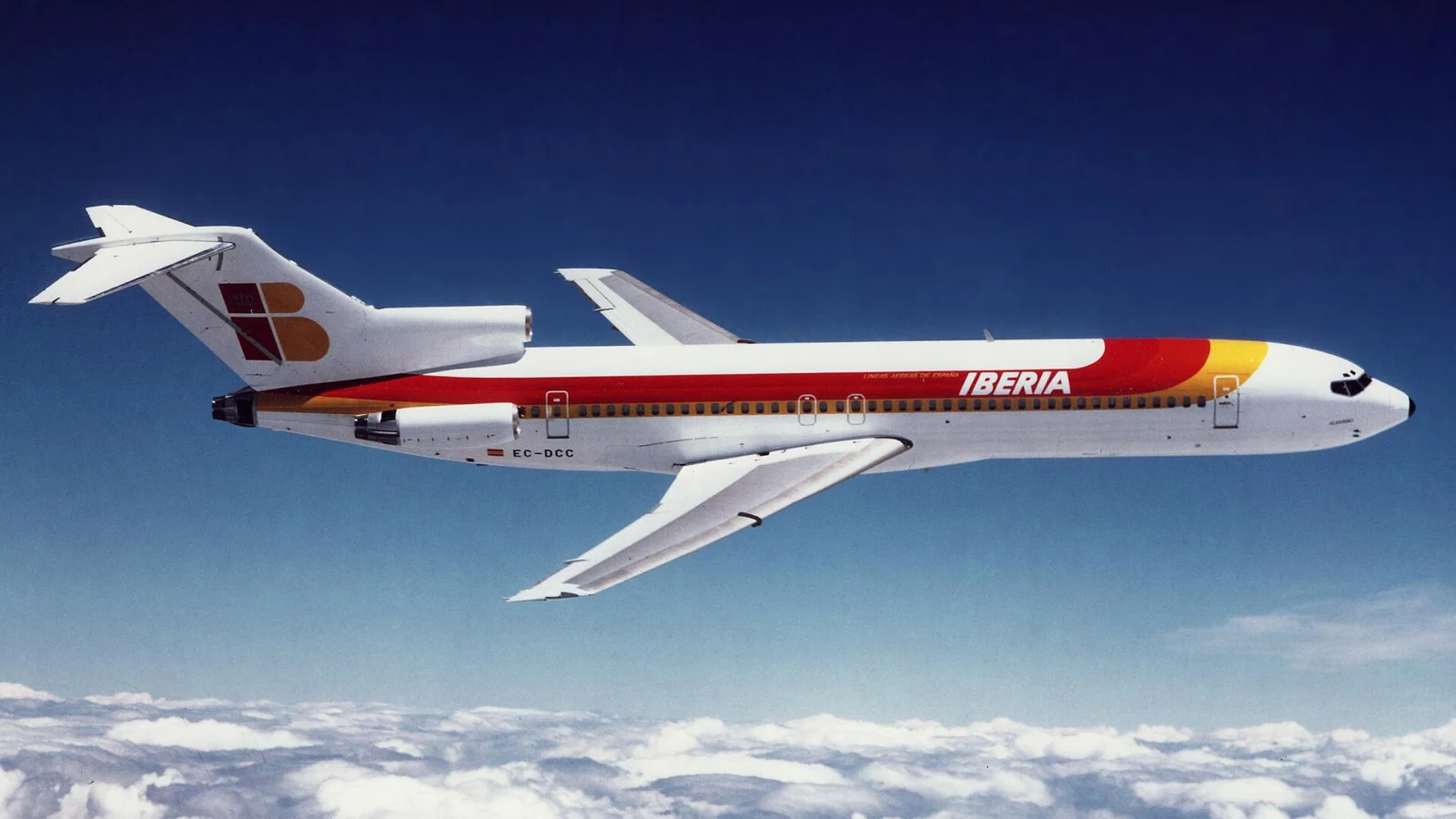
The hum of the engines on the Boeing 727-231 became a backdrop to a terrifying shift in atmosphere as the aircraft cruised toward Chicago. Passengers on TWA Flight 355 were suddenly confronted by a group of five individuals who had seized command of the vessel. The cabin, once a space of routine travel from New York’s LaGuardia Airport, transformed into a high-stakes theatre of political desperation and fear.
This hijacking remains a landmark moment in aviation history, not just because of the sheer audacity of the perpetrators, but because of the geopolitical motives that drove them. It was a rare instance where a domestic flight became a platform for an international separatist movement, creating a crisis that spanned continents and forced a massive, coordinated response from global authorities.
Read more: T.A. Gillespie Company explosion: The 1918 shell plant disaster
A desperate bid for sovereignty
The crisis began on September 10, 1976, when five members of a group known as “Fighters for Free Croatia” took control of the aircraft. These individuals were driven by a singular, radical objective: they wanted to secure Croatian independence from Yugoslavia. By seizing the plane, they intended to turn a commercial flight into a megaphone for their political cause, aiming to force the world to acknowledge their demands.
The hijackers, who included Slobodan Vlašić, Zvonko Bušić, Julienne Bušić, Petar Matanić, and Frane Pešut, asserted their control over the Boeing 727-231, a plane that had been manufactured by Boeing Commercial Airplanes in 1968. During the 95th minute of the flight, the group made their first chilling claim, stating that they were carrying a bomb on board. This declaration immediately shifted the situation from a standard flight to a life-threatening emergency, forcing the pilots to navigate a path dictated by the captors.
From Montreal to the edge of the Atlantic
The trajectory of the aircraft was forced to change as the hijackers demanded a stop at Montreal’s Mirabel International Airport to refuel. While the plane sat on the tarmac, the tension mounted as the group expanded their demands, claiming they had planted an explosive device in a locker at Grand Central Terminal. They insisted that appeals for Croatian independence be printed in five major American and international newspapers as a condition for their cooperation.
The plane eventually moved toward Gander, Newfoundland, where a significant breakthrough occurred in the negotiations. In a tense exchange, Air Traffic Control manager Thomas Scott worked to secure the safety of the passengers, eventually leading to the release of 35 people. For his role in managing this volatile situation, Scott was later honoured with an award of merit from Transport Canada.
The journey continued as the aircraft was directed toward Keflavík, Iceland. This specific route was chosen because the British had refused to allow the plane to land in London. As the plane moved further away from its original destination, the geopolitical stakes grew, and the international community began to scramble to manage the fallout of the hijackers’ demands.
A tragedy at the firing range
While the aircraft was in the air, the authorities in New York dealt with the terrifying claim of a device at Grand Central Terminal. Police moved to neutralise the suspected threat by transporting the item to the Rodman’s Neck Firing Range. However, the plan ended in tragedy when the device unexpectedly exploded during the attempt to dismantle it. The blast killed NYPD officer Brian Murray and left Terrence McTigue wounded.
The hijacking eventually reached a conclusion in Paris, where the perpetrators held talks with U.S. ambassador Kenneth Rush. It was during these negotiations that the truth about the explosives on the plane was revealed; the devices were actually fake pressure cookers. Despite the lack of a functional bomb on the aircraft, the lives lost on the ground and the fear instilled in the passengers remained the defining legacy of the event.
The long shadow of the conviction
The legal aftermath of the hijacking was swift and severe, as all five hijackers were convicted of aircraft piracy and conspiracy. The judicial system handed down heavy sentences to reflect the gravity of the crime. Zvonko and Julienne Bušić received mandatory life sentences specifically because of the death of Brian Murray. Meanwhile, Pešut, Matanić, and Vlašić were each handed 30-year prison sentences.
The decades that followed saw a slow release of the group from custody. Frane Pešut was deported to Croatia in 2007 after serving 12 years, while Petar Matanić and Slobodan Vlašić were released in 1988. Julienne Bušić followed in 1989. The most prolonged sentence belonged to Zvonko Bušić, who was granted parole on June 7, 2008, after spending 32 years behind bars.
The story took a final, somber turn on September 1, 2013, when Zvonko Bušić took his own life by gunshot at the age of 67. His life and the events of that day were later chronicled by Julienne Bušić in her book Lovers and Madmen. The hijacking remains a haunting reminder of how a single flight can become a vessel for a nation’s desperate cries for freedom.
A plane that was meant to land in Chicago instead became a floating stage for a revolution.
More from Ungrid Now
- Pre-Coinage Wealth: How Ancient Traders Built a Global Economy
- From Prison to Power: The Count of Monte Cristo’s Revenge
Background: Wikipedia