The scent of plastic and polished factory floor filled the air as Mario charged through a maze of repurposed toys. He zipped past conveyor belts and stacked blocks, his athletic frame moving with precision across the machinery. His mission was clear: retrieve the tiny, stolen figures known as Mini-Mario toys before the chaos spiralled out of control. A sinister figure, Donkey Kong, oversaw the sprawling toy factory, orchestrating the bizarre theft.
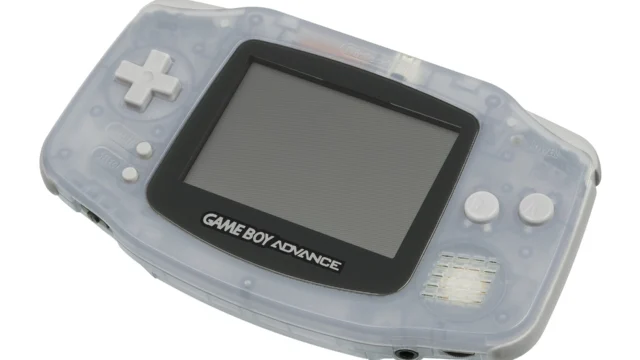
This specific puzzle-platform game emerged from the depths of the handheld gaming scene, presented as a modern interpretation of a classic gaming lineage. Developed by Nintendo Software Technology and released by Nintendo, Mario vs. Donkey Kong took its place as the spiritual successor to the original Donkey Kong released on the Game Boy in 1994. It was conceived as a refined challenge, blending the nostalgia of old-school platforming with intricate, modern puzzle mechanics suitable for the Game Boy Advance.
How the toys went missing
The narrative of the game began with a devastating corporate heist. Donkey Kong launched his scheme by stealing several Mini-Mario toys directly from Mario’s Toy Company. This act of larceny immediately set the stage for a pursuit across the intricate, sprawling confines of the toy factory, which served as the game’s setting.
The situation quickly escalated beyond a simple theft. After securing the prized Mini-Marios, Donkey Kong proceeded to kidnap Mario’s Toad workers. These innocent employees were subsequently imprisoned within a towering structure within the factory complex, adding a layer of desperate urgency to Mario’s pursuit. Mario, utilizing his unique abilities, was compelled to journey through the factory to recover his workers and the stolen merchandise.
Navigating the factory floor
Mario’s toolkit was surprisingly robust for a puzzle game, giving him several distinct athletic moves to overcome the factory’s obstacles. He was capable of performing a handstand, executing a sideways somersault, and achieving a triple jump, all of which were necessary to traverse the hazards and intricate pathways of the factory.
The structure of the game itself was highly varied, presenting players with five distinct categories of levels. These levels were not uniform challenges; they ranged from classic key/door puzzles requiring careful manipulation to complex missions involving the guiding of six Mini-Mario toys through dangerous areas. Furthermore, the game introduced challenging boss levels, designed to test the player’s mastery of the factory environment.
Scaling the difficulty
The game employed a tiered system of challenges to ensure that even veteran players found new hurdles, creating a deep and satisfying progression curve. Alongside the standard main levels, the title featured Plus Levels, which were engineered to be notably more difficult than the baseline factory challenges.
For those determined to reach the highest echelons of difficulty, the Expert levels were available. Accessing these ultra-challenging stages required players to first collect a significant number of stars throughout the game, effectively rewarding persistence and skill. The overall design philosophy aimed to provide a comprehensive gaming experience, which critics noted as “a great game that fits the Game Boy Advance’s pick-up-and-play environment,” according to IGN.
The lasting legacy of a pocket giant
The initial release of Mario vs. Donkey Kong proved to be a commercial success, selling 1.37 million copies worldwide. This figure demonstrated a strong public appetite for games that successfully merged classic Nintendo characters with engaging, challenging gameplay mechanics.
The title stands as a testament to the enduring appeal of platforming games, particularly those that introduce clever puzzle elements to traditional action. It successfully maintained the spirit of its predecessor while adapting to the technological capabilities of its release era. The factory, the Mini-Marios, and the pursuit of Donkey Kong remain fixed in the memory of players who navigated the complex, plastic world of the game. After all, the pursuit of the stolen toys still echoes through the factory halls.
Background: Wikipedia