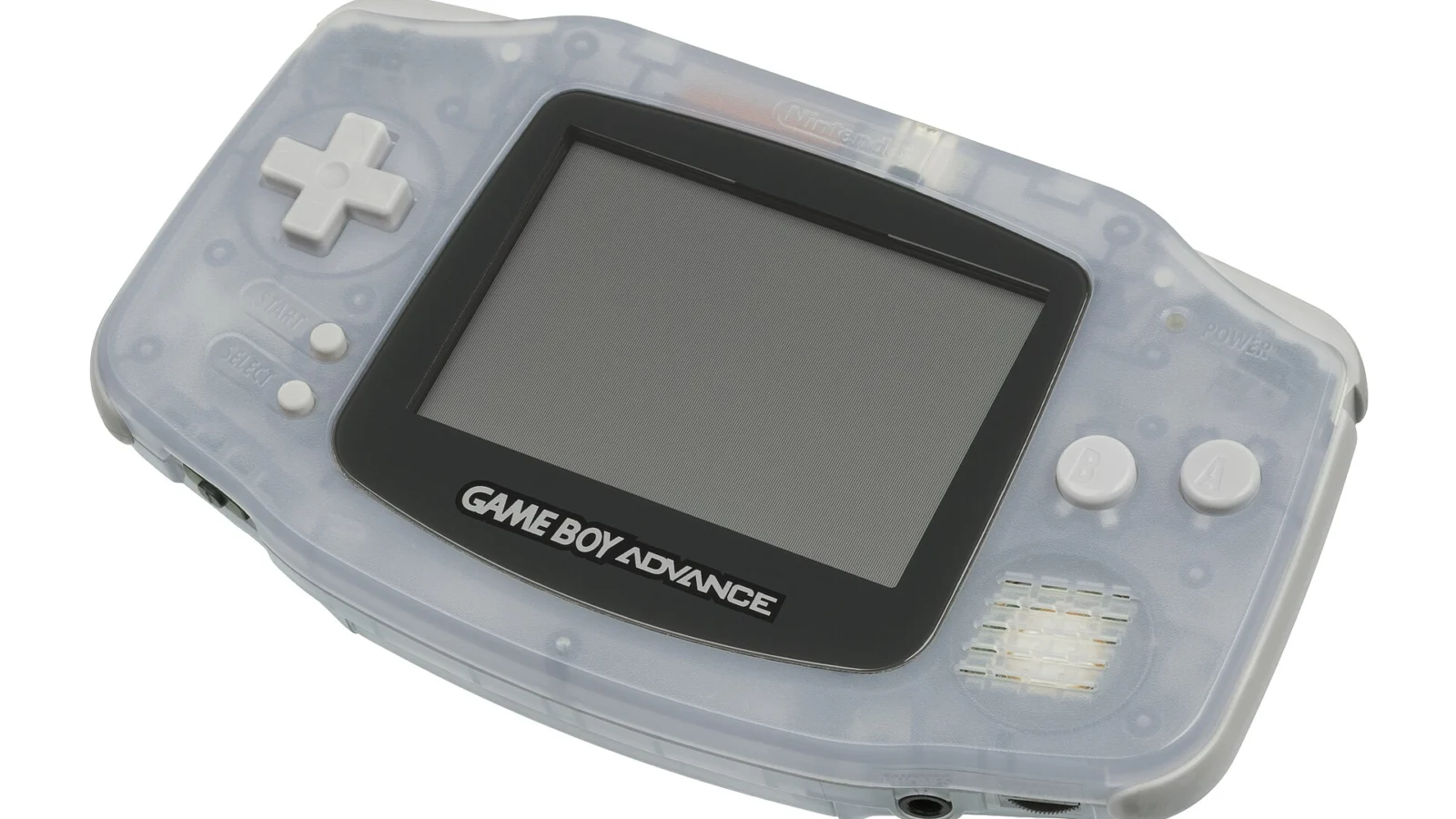
The crisp plastic of the Game Boy Advance SP felt familiar in the hands, a dependable brick of portable gaming. Yet, tucked within its game slot, there was a different kind of device, a portal to a world of music and video that transcended the traditional boundaries of console gaming. This small, innovative component promised to transform the handheld experience, turning a simple gaming machine into a sophisticated multimedia hub. It was a device that bridged the gap between the arcade and the living room, all compressed into a palm-sized accessory.
This accessory was a remarkable piece of technological convergence, offering players a way to consume high-quality media files on their portable consoles. It functioned as a specialized media player, capable of handling formats like MP3 audio and H.264/MPEG-4 AVC video. It was not merely an add-on; it was a fundamental shift in how handheld entertainment could be consumed, integrating digital media storage into the very core of a beloved gaming platform.
The dawn of portable media
The journey of this groundbreaking device began in Japan, making its debut on February 21, 2005. It was initially sold for around 5,000 yen, which translated to approximately US$47.47 at the time of its launch. The device, known by its trademarked name, was created to enhance the gaming experience, as one description stated: “The Play-Yan (trademarked PLAY-YAN) is a media player designed for the Game Boy Advance SP.” This original version was designed to load directly into the game cartridge slot of a compatible system, making the integration seamless and immediate for the user.
This initial release established the concept of portable media within the Nintendo ecosystem, offering significant playback capabilities. The original Play-Yan was designed to run for sixteen hours of continuous MP3 playback and provided four hours of MPEG-4 playback, ensuring substantial listening and viewing time for the travelling gamer. Despite the enthusiastic reception in its home market, Nintendo did not release this adapter in North America by the close of 2005, leaving international fans waiting for the technology to reach their region.
A swift evolution in miniaturisation
Just two days after the original launch, a refined version entered the market, known as the Play-Yan Micro. This smaller iteration quickly became highly sought after, particularly in Europe, where it was marketed under the name Nintendo MP3 Player. The design of the Micro version reflected a focus on portability and updated functionality, boasting an improved sound quality and a completely refreshed user interface.
The Micro device made subtle but significant changes to the content it could handle, supporting MP4 and ASF playback directly within the hardware itself. Furthermore, while the original model included 13 bonus mini-games available for free download from Nintendo Japan’s website, the newer Micro version removed the functionality related to Play-Yan Garage Games, streamlining the experience for the modern user. It was only obtainable through the exclusive online store operated by Nintendo of Japan.
Adapting to different worlds
The versatility of the Play-Yan ecosystem was one of its most compelling features. It was inherently region-free, meaning that it could be imported and used successfully in various international markets. This made it attractive to enthusiasts looking to bypass regional restrictions and access the full range of media content.
Beyond its function as a pure media player, the interface of the device had a surprising crossover into the gaming itself. The distinctive stick figure interface of the media player appeared in several titles, notably Rhythm Tengoku and Night Walk. This aesthetic appeared again in subsequent rhythm-based games, including Rhythm Heaven and Rhythm Heaven Megamix, showing how the external media player could influence the internal visual language of Nintendo’s gaming library.
The lasting impact on handheld tech
The discontinuation of sales for the original Play-Yan occurred on September 11, 2005, marking the end of an initial cycle for this specific device. However, the Micro version offered an additional layer of utility, providing an optional CD application for managing the various media files stored on the device.
Although the physical hardware eventually faded from the market, the technological concept it pioneered remains foundational to modern portable media consumption. The Play-Yan demonstrated that powerful, high-capacity media playback could be successfully integrated into dedicated gaming hardware, paving the way for countless subsequent multimedia handheld devices. It was a powerful reminder that sometimes, the greatest innovations are found not in entirely new consoles, but in clever, resourceful additions to the machines we already love.
Background: Wikipedia