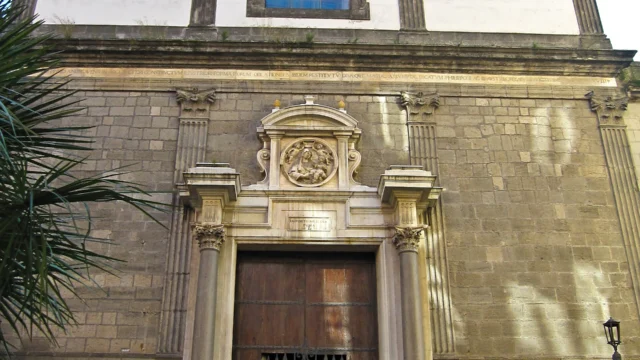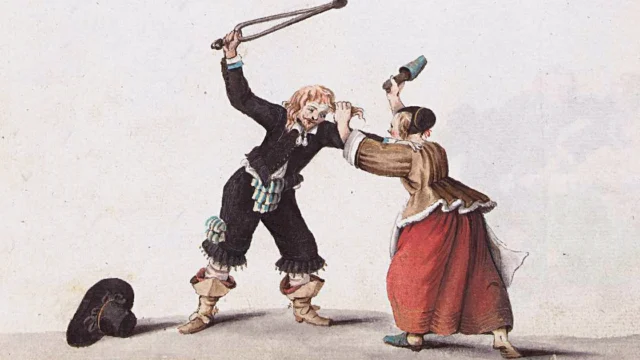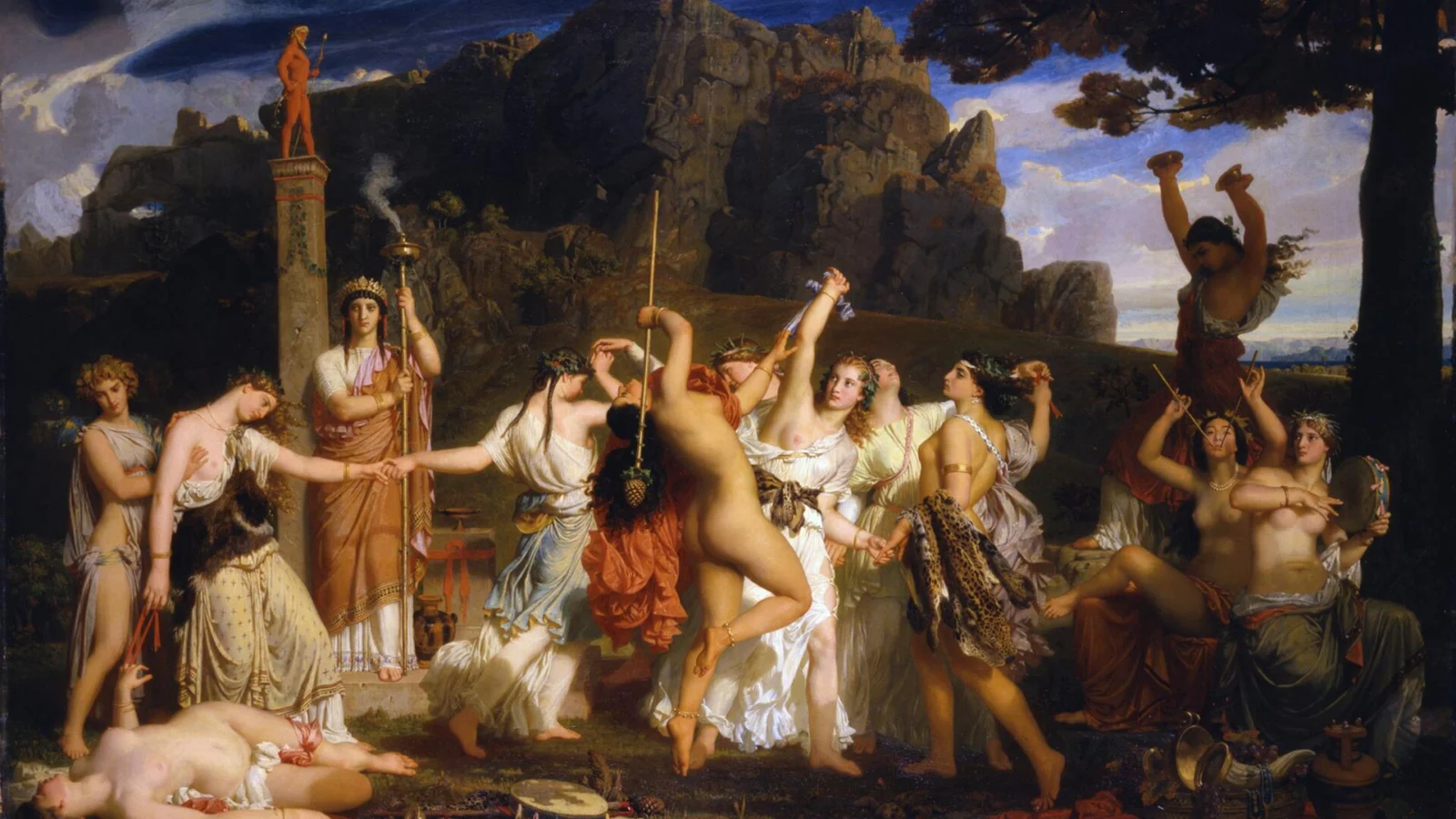
A blur of frantic movement swept through the ancient stone halls, a spectacle of unbearable agony and unbridled rhythm. In the south of Italy, the sufferers were caught in a dizzying, desperate trance, their bodies contorting in a relentless, frenzied dance. The air, thick with desperation, vibrated with the sound of pounding drums, echoing through sacred spaces like the church at Galatina. These victims experienced symptoms of profound suffering—trembling, vomiting, and great pain—forcing them into a dramatic, involuntary performance that seemed to threaten their very lives.
This was the phenomenon known as Tarantism, a deep-rooted form of hysteric behaviour that had plagued Southern Italy for centuries. It was more than just a dance; it was a terrifying cultural disease, a centuries-old condition that gripped the populace, especially in the region of Taranto. The remarkable nature of Tarantism lies in its paradoxical nature: a condition defined by debilitating physical suffering, yet seemingly treated only by intense, ecstatic movement. For generations, this strange affliction defied easy explanation, existing at the intersection of folklore, medicine, and religious ritual.
The dance begins
The earliest descriptions of this debilitating condition trace back to the 11th century, though it became particularly widespread and visible during the 16th and 17th centuries. It was not limited to one town, but spread across several provinces, notably Basilicata, Apulia, Sicily, and Calabria. Victims would exhibit a range of severe symptoms, which included crying, violent vomiting, uncontrollable trembling, and extreme pain, often manifesting in dramatic public outbursts.
The illness was so deeply ingrained in the cultural fabric that the public religious spaces became central locations for these dramatic episodes. These outbreaks frequently occurred during the Feast of Saints Peter and Paul on June 29th, transforming sacred gatherings into stages for profound human suffering. Throughout this era, medical experts attempted to understand the cause, leading to numerous theories about its origins and progression.
Misplaced suspicions and ancient echoes
The most popular and pervasive belief surrounding Tarantism linked the illness directly to the bite of specific spiders. It was widely believed that the wolf spider, Lycosa tarantula, was the culprit responsible for the onset of this terrifying mania. However, other arachnids were also implicated, with some suggesting the Mediterranean black widow, Latrodectus tredecimguttatus, was a more likely cause.
Despite these popular convictions, no demonstrable link between spider bites and the behavioural symptoms of tarantism has ever been established. Modern analysis has confirmed this gap, leading researchers to conclude that the actual cause of the condition remains unknown. Some scholars even proposed connections to ancient rituals, suggesting links to the suppressed Bacchanalian rites of 186 BC.
The sovereign remedy of music
Amidst the confusion, Francesco Cancellieri dedicated himself to documenting and analysing the condition, writing an extensive treatise on the subject. He noted that the illness was highly localized across the southern regions, observing the various physical manifestations in detail. While the community sought various treatments, Cancellieri was clear about the true therapeutic power of the rhythmic performance.
He observed that music was considered the singular and most effective cure for the afflicted. In his writing, he asserted that “Sweat and antidotes relieve the sick, but the sovereign and the only remedy is Music.” This belief gave rise to the tarantella dance, which supposedly evolved from a therapeutic response to the affliction, transforming a symptom of disease into a form of expressive, desperate release.
A modern resurgence
The rediscovery of the tarantella and its cousin, the pizzica, began gaining significant traction in the 1990s and 2000s. This modern cultural revival saw the traditional music and dance form gain international recognition, helping to shed light on the ancient suffering. A pivotal moment in this renaissance was the establishment of the Notte della Taranta music festival in Salento in 1998.
The festival grew into a major cultural event, with figures like Ludovico Einaudi directing it during 2010 and 2011. Einaudi later released an album, Taranta Project, in 2015, solidifying the musical form’s place in contemporary art. The enduring mystery of Tarantism has even crossed into popular culture, referenced in Henrik Ibsen’s A Doll’s House and the Harry Potter series through the spell Tarantallegra.
The story of Tarantism remains a powerful example of how culture can attempt to explain the inexplicable. It is a strange convergence of pain, faith, and beat, a testament to the human need to find rhythm, even when the suffering is absolute. The frantic movements still echo through the halls of history, where the answer to the dance remains elusive.
Background: Wikipedia