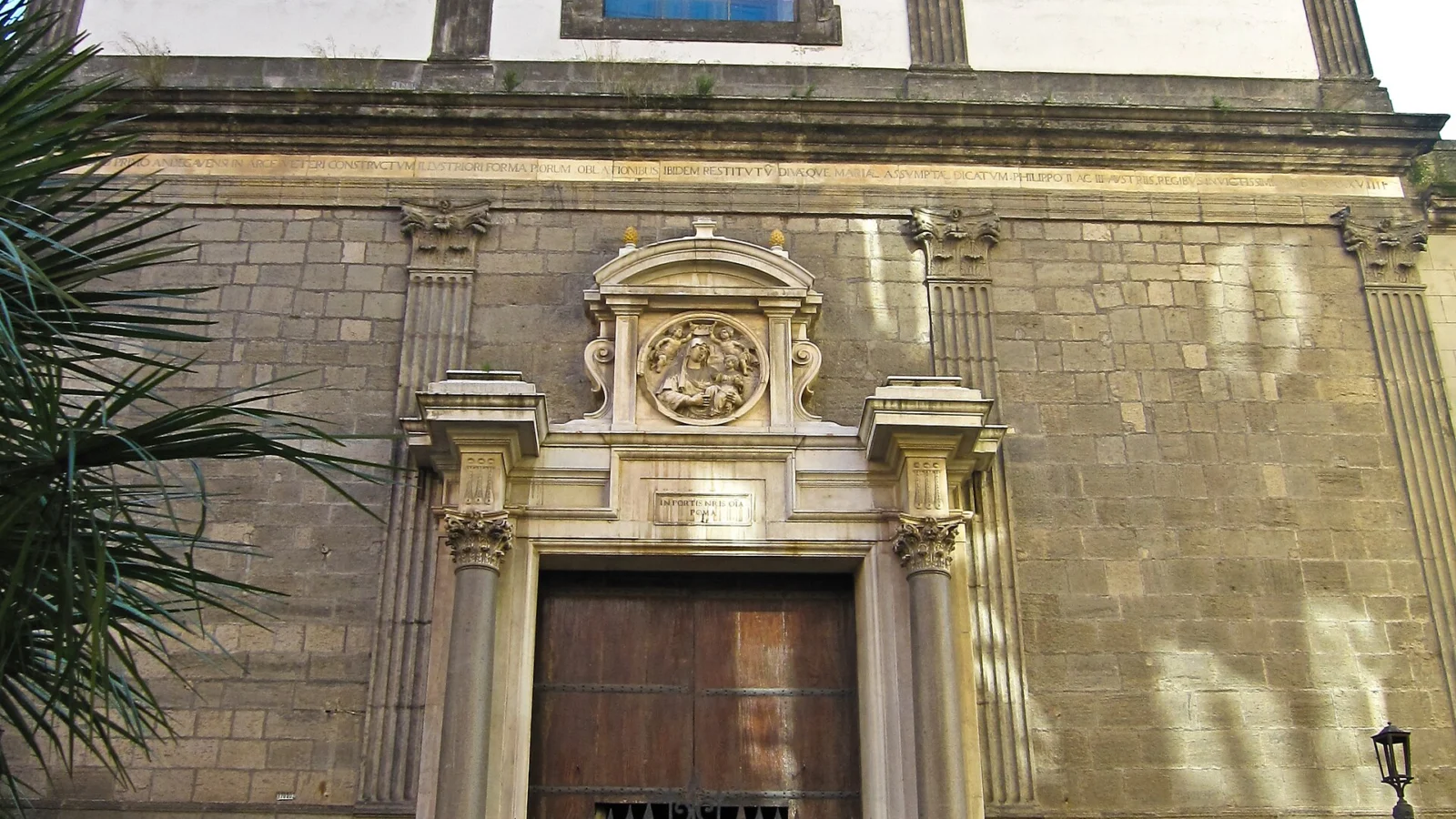
In the bustling heart of central Naples, a solemn structure stands, a testament to enduring faith and artistic ambition. It is a place of shadowed chapels and gilded ceilings, a sanctuary that survived the seismic fury and the violent blasts of a city prone to catastrophe. From its vantage point, it looks across the square at the main post office, a juxtaposition of the eternal and the ephemeral. The building itself, a deconsecrated Roman Catholic church, embodies centuries of architectural resilience.
This remarkable building, Santa Maria la Nova, is more than just a church; it is a layered historical document etched in stone, fresco, and repurposed plaster. Situated just south of the Church and Monastery of Santa Chiara, its story is one of dramatic upheaval, rising from the ashes of older foundations only to be transformed into a magnificent Renaissance edifice. The sheer weight of its history—from Gothic beginnings to Baroque grandeur—makes it a unique study in urban survival and spiritual adaptation.
Read more: Malkovich Wins Top Honor At Santa Barbara Film Festival
how a medieval monastery became a Renaissance jewel
The site held deep historical significance long before its current form emerged. A Franciscan monastery, known as Santa Maria ad Palatium, occupied the area since the early 13th century. This initial religious complex, which had an initial Gothic structure, proved too vulnerable to the frequent earthquakes that plagued the region. The fate of the original monastery was sealed in 1268 when it was demolished to make way for Charles of Anjou‘s Castel Nuovo.
The Friars, however, were granted the cleared grounds in 1279, and it was this renaming—la Nova—that reflected its new beginning on the acquired site. Although the original structure suffered from the instability of Naples’ earth, it was a major explosion from Castel Sant’Elmo on December 13, 1587, which inflicted substantial damage on the building. This catastrophe necessitated a complete reconstruction effort, which subsequently unfolded between 1596 and 1599.
the astonishing artistry and hidden mysteries
The rebuilding phase saw the church transition dramatically into its current Renaissance style, overseen by architects and artists of immense talent. The facade itself was designed by Agnolo Franco, giving the structure its distinctive external appearance. Inside, the nave ceiling became a breathtaking canvas, featuring 46 gilt-framed cassetone fresco panels, completed between 1598 and 1600.
Among the artists contributing to this celestial display were Francesco Curia and Girolamo Imparato. The complexity of the interior was matched by the narrative depth of its chapels. The Cappellone di San Giacomo della Marca, commissioned by Gonzalo di Cordova, enshrines the preserved body of St James of the Marches. The ceiling of this chapel was frescoed by Massimo Stanzione, depicting the devastating eruption of Vesuvius in 1631.
secrets buried in the sacred stone
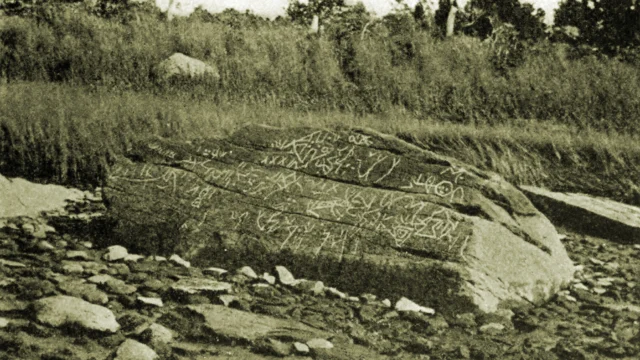
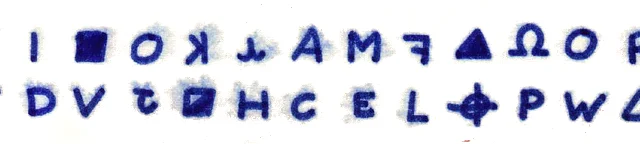
The surprises within Santa Maria la Nova extend far beyond its architectural splendor and its depictions of natural disasters. Deep within the Turbolo chapel lies an enigma: an encrypted epigraph inscribed in an unknown script. This fragment of writing has fascinated scholars for generations, hiding a secret message within the sacred walls of the church.
The mystery was recently advanced by the work of Cosimo Palma and Louie Helm. Their research in 2026 managed to identify the language family of the epigraph. Their preliminary decryption efforts suggest a fragmented text written in Old Czech, hinting at connections between the church’s history and far-flung linguistic traditions. The presence of such an obscured message within a major religious site adds an almost conspiratorial layer to the church’s established history.
living history in a modern city
The church’s story does not end with its reconstruction or the decryption of its ancient secrets. Its journey into the modern era has seen much of the vast monastic complex transformed. While the church itself maintains its religious significance, much of the larger monastic complex now functions as municipal office space.
This transformation illustrates the powerful way ancient structures adapt to the relentless needs of a modern city, ensuring that the centuries-old stones continue to serve a public function. From its initial demolition for a castle, through countless earthquakes, and into its current role as both a spiritual sanctuary and an administrative hub, Santa Maria la Nova remains an indelible fixture in Naples. It stands today, a resilient monument to faith, art, and the enduring mysteries hidden within the stones of a city that simply refuses to be ignored.
More from Ungrid Now
- Petrified Titan: The Amazing Hoax That Fooled America
- Pan Am Flight 841 hijacking: The story of a student’s revenge
Background: Wikipedia