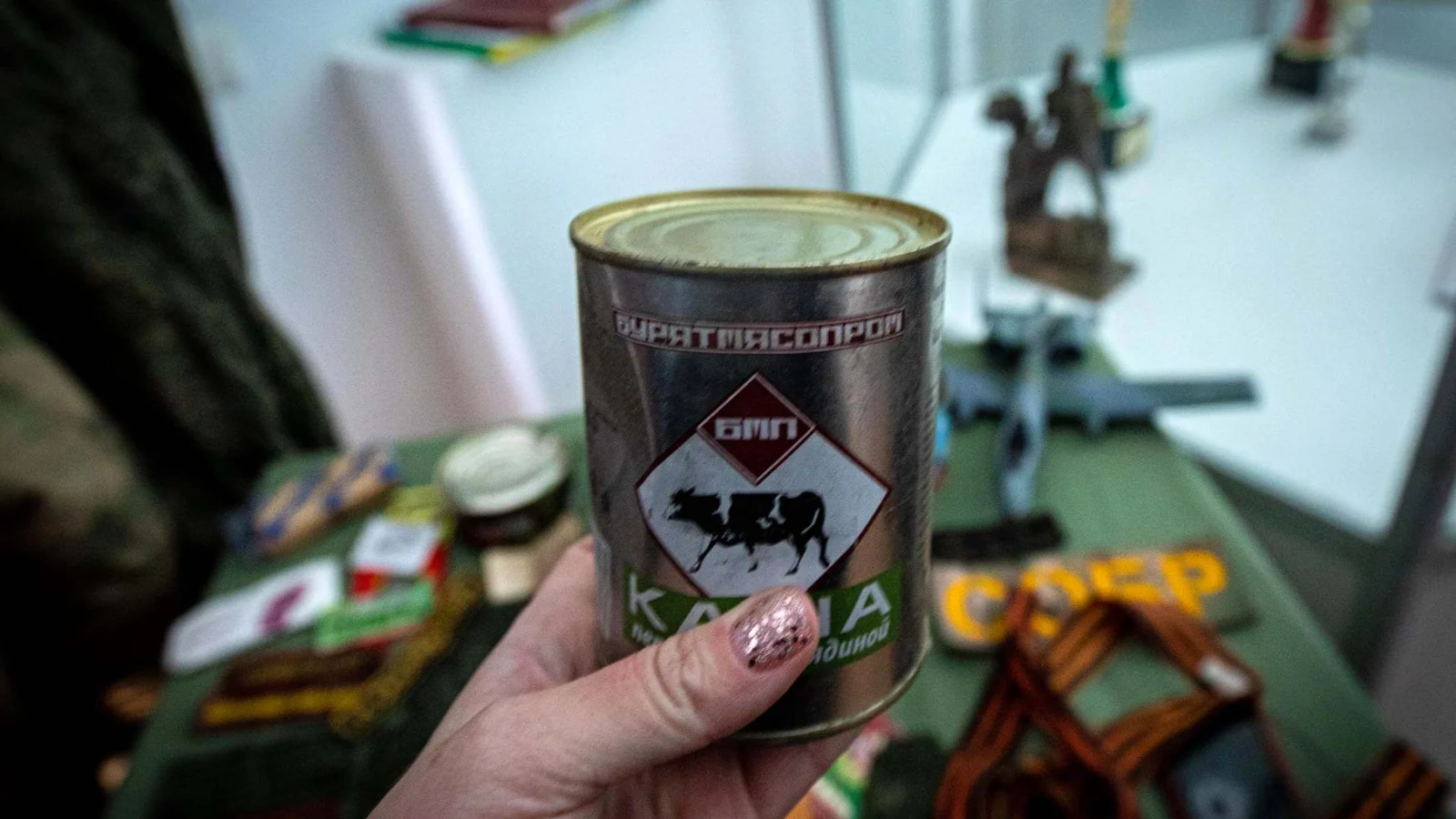
The tins arrived in Cuba, promised to sustain soldiers far from home, yet they contained something far more sinister than sustenance. The meat, intended as a vital ration for troops fighting in the Spanish–American War of 1898, was poorly preserved, sickening, and often toxic. A medical officer observed the appalling quality, noting that “It looked well, but had an odor similar to that of a dead human body…” This was not merely poor provisioning; it was a massive and dangerous scandal involving the food supply of the United States Army.
This incident, also known as the Embalmed Beef scandal, exposed deep corruption and negligence within military procurement. Instead of healthy rations, thousands of soldiers were being fed meat that was heavily adulterated and chemically treated, putting their lives in grave jeopardy while they were deployed abroad.
The deadly contract
The procurement process began with Secretary of War Russell A. Alger, who arranged the contract with considerable haste and at an incredibly low cost. This contract was subsequently awarded to several powerful Chicago meatpacking corporations, including Morris & Co, Swift & Co, and Armour & Co. These corporations were responsible for supplying the beef to troops deployed overseas.
The meat that eventually reached the soldiers in Cuba was frequently unfit for consumption. It had been processed in such a way that it was often spoiled or toxic, and inspection revealed that the shipments contained not just meat, but also bones and other inedible animal parts.
Secrets of the supply chain
General Nelson Miles was quick to identify the horrific nature of the issue, specifically referring to the adulterated meat as “embalmed beef.” He testified that the product was being preserved using injected chemicals, a practice that went far beyond simple preservation. Furthermore, Miles claimed that the canned meat was not genuine roast beef but rather an after-product of making beef extract, with the resulting pulp being put back into cans and falsely labeled.
The quality issues were compounded by the environment; soldiers were already battling illnesses such as dysentery, food poisoning, malaria, and yellow fever. The consumption of this noxious beef worsened their condition, contributing directly to the illnesses and deaths that afflicted the troops.
The resulting uproar
The first person to publicly expose the scandal was Major W. H. Daly in September of 1898. Miles suggested a far safer alternative, proposing that the Army should purchase local cattle from Cuba and Puerto Rico. However, the military ultimately chose to continue supporting the Chicago meatpacking industry, despite the glaring evidence of contamination.
The initial outrage was met with resistance from high ranks. Brigadier General Charles P. Eagan strongly denounced General Nelson Miles as a liar, a denial that led swiftly to a court-martial and his suspension from military duty. However, public opinion began to turn sharply against Alger, leading to widespread criticism known as “Algerism.” This mounting pressure culminated in President William McKinley requesting Alger’s resignation on August 1, 1899.
A lasting stain on military provisions
The disaster served as a profound wake-up call regarding the integrity of military logistics and the dangers of unchecked corporate influence. The systemic failures exposed by the Embalmed Beef scandal led directly to significant institutional change within the military structure.
Ultimately, the severity of the crisis prompted the founding of the Veterinary Corps on June 3, 1916, an enduring measure intended to safeguard the health and welfare of the troops and ensure the integrity of military supplies. The fate of those soldiers, sickened by the deceptive provisions, remains a grim reminder of the dangers lurking beneath the veneer of logistical efficiency. The tins arrived in Cuba, promising sustenance, but delivering poison.
Background: Wikipedia