The fragile health of infants was silently jeopardised by a dangerous, invisible chemical. In the early days of 2009, a stark figure emerged from the medical records: 54,000 children required hospitalisation due to severe kidney damage. These young lives were suffering from kidney stones and other internal afflictions, symptoms that had begun to surface as far back as late 2007. The contamination stemmed from milk and infant formula produced by the Sanlu Group, a massive food producer that had unknowingly compromised the health of hundreds of thousands of tiny bodies.
This massive food safety catastrophe became one of the most significant public health crises in modern Chinese history. It exposed deep-seated issues regarding regulatory oversight and the integrity of the food supply chain across the nation. The use of a cheap, undetectable chemical to falsely enhance the perceived quality of dairy products turned a routine manufacturing process into a life-threatening gamble. The resulting crisis saw at least six babies die, officially linked to the tainted milk, sending shockwaves through both the domestic and international markets.
The quiet start of a poison panic
The initial signs of trouble appeared subtly, with complaints about kidney stones beginning to trickle in as early as December 2007. This early medical distress was followed by a more public outcry when an online complaint was posted in May 2008. Despite these initial warnings, the contamination continued, allowing the chemical to spread through the product lines.
The issue escalated dramatically when the first hospital report detailing the problems was submitted to the government on July 16. Although the Sanlu Group had a substantial financial backer—Fonterra, the New Zealand dairy giant, held a 43% stake—it was not until August 2 that Fonterra was alerted to the contamination. The government eventually made the full scope of the scandal public on September 13, confirming the gravity of the situation.
The deceptive nature of the filler
The chemical responsible for the devastation was melamine, a compound with a deceptive chemical property. Because melamine is nitrogen-rich, it allowed perpetrators to fraudulently inflate the apparent protein content when performing standard quality tests on the milk. This ability to falsify tests made it a perfect tool for economic fraud.
The use of this substance was driven by sheer cost-cutting, as scrap melamine was available for a relatively low price of ¥700 per tonne, making it an inexpensive filler. The chemical was also not water-soluble and required mixing with formaldehyde to be effective, complicating its detection. Later, in October 2008, the insidious nature of the chemical was revealed when melamine was found in various foods, including eggs.
Fallout, investigations, and reckoning
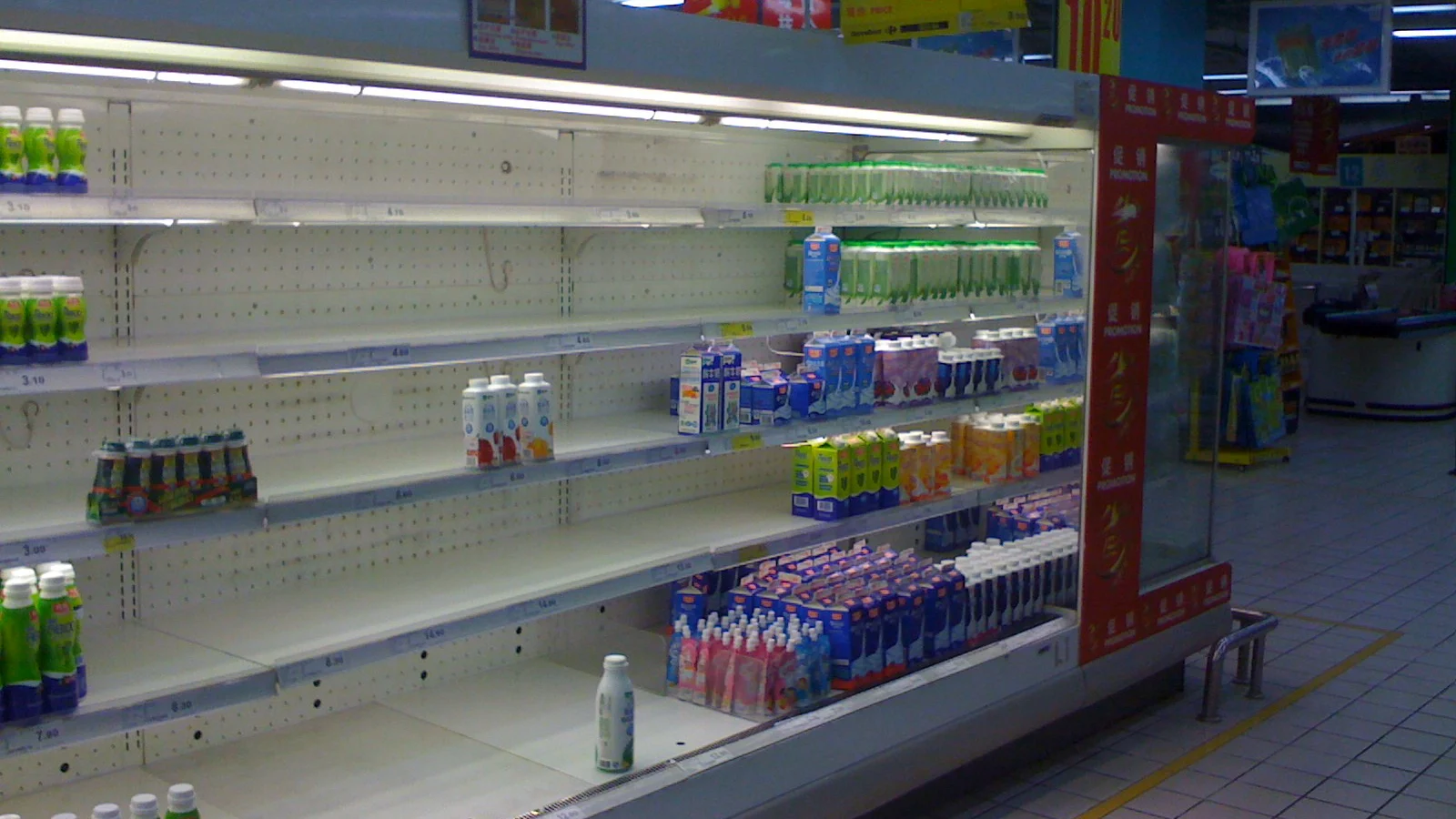
The immediate consequences of the scandal were devastating, not just for the affected children but for the national food industry. The World Health Organization officially described the entire incident as “deplorable.” Internationally, the crisis led to severe economic repercussions, with a minimum of 11 foreign countries immediately halting their imports of Chinese dairy products.
The scandal triggered a massive investigation that revealed the scale of the deception went far beyond a single company. Products from 21 other entities were subsequently discovered to have been tainted with the same dangerous chemical. The gravity of the corruption was laid bare when Shijiazhuang’s deputy mayor commented, “shut the mouths of the victims by money.” This corruption led to severe legal action, with the former chairwoman of the Sanlu dairy being sentenced to life in prison, alongside two executions and three other life sentences.
A warning etched in contamination
The Sanlu incident remains a stark and chilling testament to the vulnerability of public health in the face of corporate greed. It laid bare the intersection of food safety failures and deep-rooted political corruption within the country. The scandal forced fundamental changes in how food safety was managed and monitored, highlighting the desperate need for robust regulatory structures.
The sight of vulnerable infants suffering from kidney damage because of a low-cost chemical filler serves as a permanent, grim reminder of the costs of unchecked avarice. The silent poison that threatened the smallest members of society was the same force that eroded public trust and shattered the illusion of safety.
Background: Wikipedia