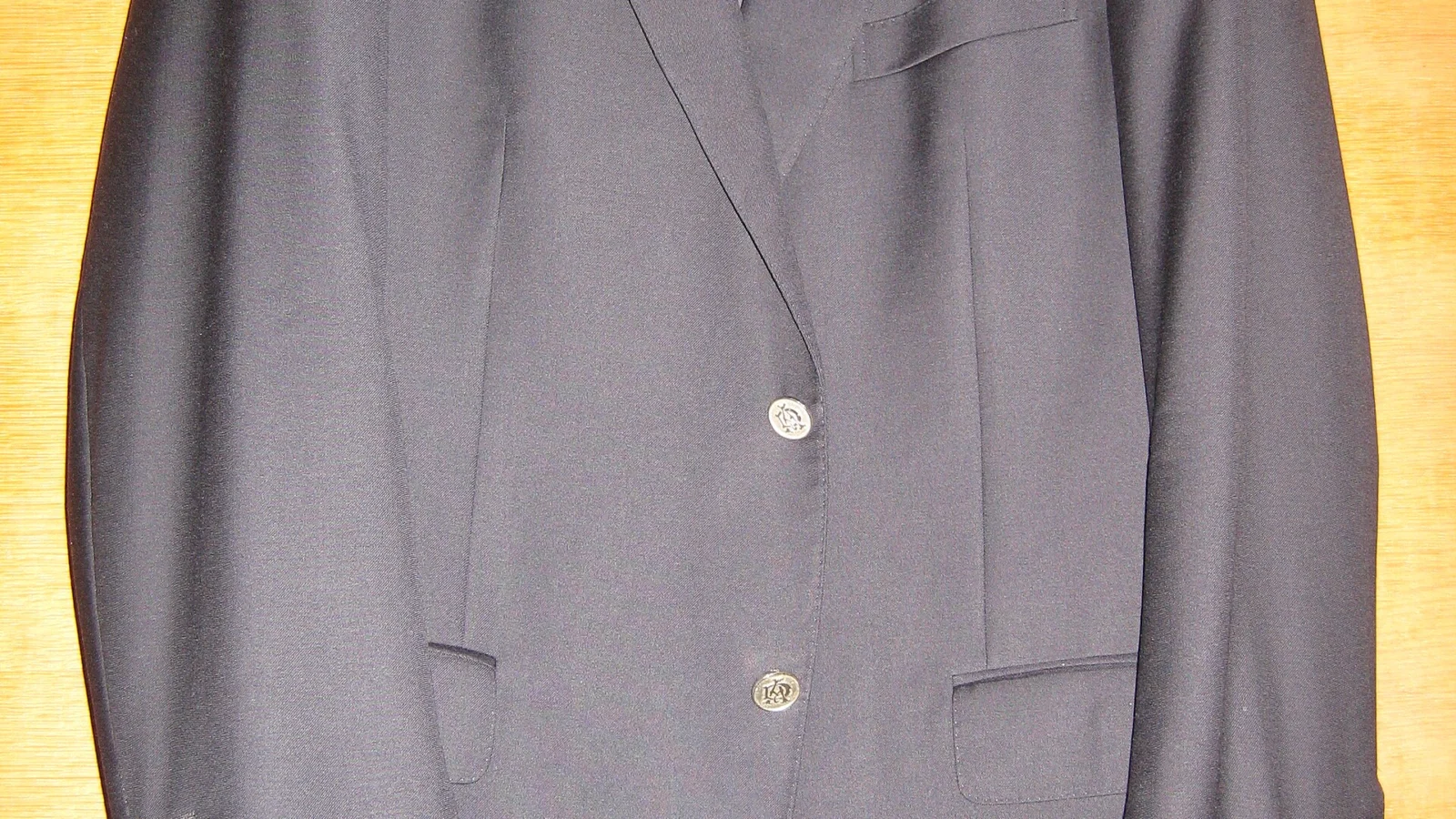
The crisp snap of a navy blazer’s brass buttons catches the morning light against a backdrop of manicured lawns and ivy-covered stone. A student adjusts a cable-knit sweater, the heavy wool resting over an Oxford Cloth Button Down shirt, perfectly pressed and ready for the day. This is the visual language of a specific lineage, a carefully curated aesthetic that signals membership in an exclusive social circle.
This aesthetic represents the preppy subculture, a distinct American social identity rooted in the traditions of Northeastern college-preparatory schools. It is more than just a collection of garments; it is a complex tapestry of speech, vocabulary, and upper-class mannerisms that defines a specific way of moving through the world. By examining this subculture, one uncovers how a niche academic identity transformed into a global fashion phenomenon that continues to influence modern wardrobes.
Read more: JoJo’s Music Legacy Secured: Catalog Acquisition Fuels New Era
The roots of the ivy style
The foundations of preppy fashion were laid in the early twentieth century, evolving from the practical requirements of the Northeastern United States. This era saw the birth of the “Ivy” style of dress, which began to gain significant momentum in the early 1900s before spreading across the social landscape by the late 1950s. It was a style born of utility and leisure, heavily inspired by the outdoor pursuits of the wealthy, such as hunting, sailing, and polo.
As these elite students populated the oldest Northeastern universities and the prestigious Ivy League, their wardrobes became synonymous with their status. Retailers like J. Press and Brooks Brothers established a firm foothold on campuses such as Harvard and Yale, providing the essential uniform for this emerging class. This style was a deliberate adaptation of British country clothing, incorporating elements like tweed sport coats and brogues into the American collegiate experience.
From campus halls to the mainstream
While the initial style was born in the halls of academia, it took a distinct turn as it moved into the broader consciousness of the mid-twentieth century. Key outdoor brands like L.L. Bean and Eddie Bauer provided the rugged components necessary for the preppy look, supplying the gear that bridged the gap between campus life and country leisure. These brands became so integral to the identity that they were described in literature as “nothing less than Prep mecca” — The Official Preppy Handbook.
The subculture reached a turning point in 1980 when Lisa Birnbach published The Official Preppy Handbook. The book was a satirical masterpiece that poked fun at the privileged Ivy League and socially elite students who inhabited this world. However, instead of dismantling the subculture, the book acted as a catalyst, fueling a massive resurgence of interest in preppy fashion throughout the 1980s. It turned a private code into a public spectacle, inviting the masses to adopt the look of the elite.
The expansion of the preppy wardrobe
As the subculture matured, it expanded to include a sophisticated array of textiles and patterns that remain hallmarks of the style today. The preppy wardrobe is defined by specific fabrics like seersucker and madras cloth, which are frequently used for sport jackets and Bermuda shorts. These are complemented by signature patterns, including the classic argyle and intricate cable knitting found on sweaters, as well as the ubiquitous Oxford Cloth Button Down shirt, often referred to as an “O.C.B.D.”
The inclusion of women into this fashion narrative began in earnest during the 1960s, spearheaded by designers such as Perry Ellis and Lilly Pulitzer. Students at the Seven Sisters Colleges were instrumental in popularising these female preppy styles, creating a feminine counterpart to the masculine Ivy tradition. While the men focused on boat shoes and navy blazers, the women’s side of the subculture found its primary source of fashion in shops like Talbots, solidifying a gendered but cohesive aesthetic.
A legacy of enduring influence
The trajectory of preppy fashion saw a notable decline in popularity during the 1990s as new trends took hold of the cultural zeitgeist. However, the aesthetic never truly vanished; it merely retreated to the sidelines before being revitalised by modern brands. Today, companies like Vineyard Vines and J. Crew are widely perceived as the modern torchbearers of the preppy style, keeping the tradition of the “preparatory” look alive for a new generation.
The enduring nature of this subculture lies in its ability to balance tradition with aspiration. It remains a symbol of a specific American heritage, where the choice of a penny loafer or a specific shade of blue carries historical weight. Even as fashion cycles turn, the core elements of the preppy identity—the manners, the specific vocabulary, and the classic silhouettes—continue to offer a sense of belonging to a storied past. A navy blazer still signals a connection to the old guard.
More from Ungrid Now
- Plastic Warriors: The Engineering Genius Behind Gunpla
- Galactic Chaos: How Maggie Simpson’s Pram Became a Star Wars Hero
Background: Wikipedia