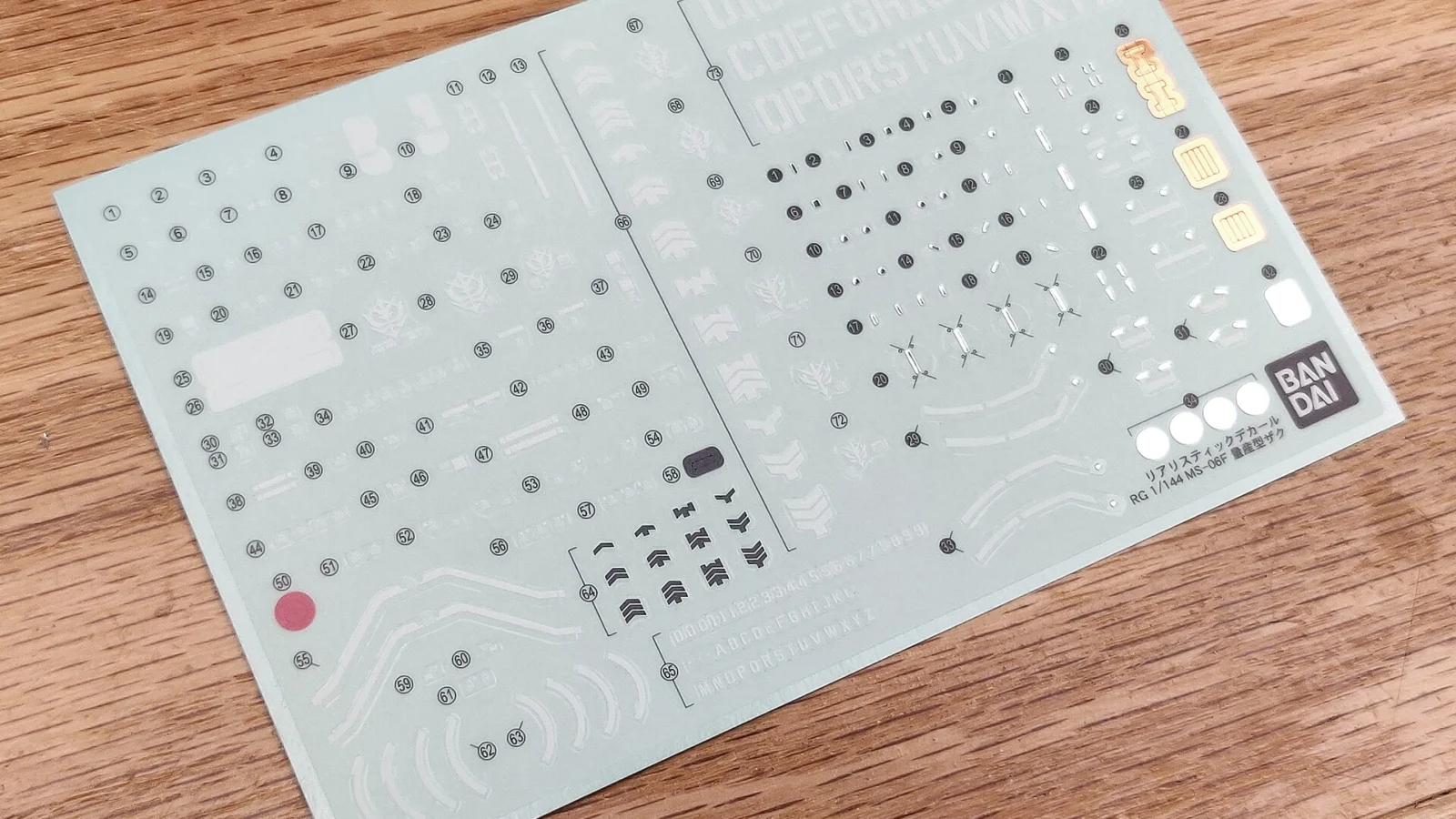
A faint scent of fresh plastic and carefully cut polystyrene hangs in the air as the model builder adjusts the tiny panel line. With a delicate precision, a piece of simulated armour is slotted into place, clicking satisfyingly into its designated socket. The mechanical joints, rigid yet perfectly articulated, now hold the pose of a powerful, fictional warrior. This meticulous process, transforming flat, pre-cut pieces into a three-dimensional, battle-ready figure, is the core ritual of the hobby.
This entire phenomenon centres on Gunpla, which translates to ‘Gundam plastic model’. It represents a global intersection of childhood nostalgia, advanced engineering, and intricate craftsmanship. These kits, which depict the colossal mecha machinery from the sprawling Gundam multiverse, were developed and manufactured by Bandai Spirits. What began as a niche domestic Japanese pastime has grown into a multi-billion-unit global industry, captivating enthusiasts from North America to Europe, making the assembly of these complex figures a truly remarkable cultural touchstone.
Read more: Galactic Chaos: How Maggie Simpson’s Pram Became a Star Wars Hero
How the hobby first assembled
The foundation for this massive hobby was laid decades ago, stemming from a television show that debuted in 1979. Following the success of the broadcast, Bandai secured the rights to produce physical models in 1980. Initially, the kits were quite rudimentary; early models required the use of glue and often lacked both the desired articulation and the level of intricate detail that builders would eventually crave.
The industry underwent its first major technical leap with the introduction of System Injection, a method allowing the casting of a single component in multiple colours. However, the most transformative early improvement came in 1985 with the introduction of poly-caps, which significantly enhanced the models’ joint articulation. This paved the way for a complete revolution in assembly methods: the snap-fit design began with the 1987 Gundam Sentinel line, and by 1988, snap-fit assembly had become the standard practice, liberating builders from the messy requirement of glue entirely.
The escalating scale of detail
As the hobby matured, Bandai began segmenting the market to meet varying levels of builder expertise and ambition. The High Grade (HG) line launched in 1990, immediately raising the overall quality of the kits available. This was followed by the debut of the 1:100 scale Master Grade (MG) line in 1995, setting a new benchmark for detailed modelling.
A further leap in complexity arrived with the 1:60 Perfect Grade (PG) line in 1998. These PG kits are renowned for their extensive level of detail and the sophisticated ‘body on frame’ system they employ. The manufacturers continued to innovate, launching the 1:144 First Grade (FG) kits in 1999 to mark the franchise’s twentieth anniversary. During the 2000s, the term ‘Gunpla’ itself was coined by Bandai, cementing the name in the global lexicon.
Perfecting the art of the build
The engineering advancements continued relentlessly throughout the following decades. The 2010 release of the 1:144 Real Grade (RG) line demonstrated a commitment to improving structural integrity and detail. Complementing this, the Entry Grade (EG) line launched in 2011, initially sold only in parts of Asia, aiming to lower the barrier to entry for new hobbyists.
The commitment to technological improvement remained a constant theme, highlighted by the 2017 Gundam Evolution Project. Meanwhile, other specialised lines emerged to cater to different aesthetic goals; the Advanced Grade (AG) line, for instance, focuses primarily on the careful arrangement of coloured parts rather than on achieving maximum articulation. The ingenuity of the process is best captured by the technical brilliance of the design: “The parts are attached to sprue gates thin enough to break without the need to use of plastic cutters,” an unnamed speaker observed.
The enduring plastic legacy
The commercial success of Gunpla is staggering. Early sales were monumental, with Bandai selling over 100 million units just between 1980 and 1984. This phenomenal growth continued, reaching over 300 million units by May 1999. By March 2021, the cumulative sales figure stood at an astonishing 714.84 million units.
This incredible sustained demand proves that Gunpla is far more than just a disposable toy; it is a cultural passing of time. It offers a deeply immersive, meditative experience that combines historical appreciation with technical challenge. The ability to transform a handful of plastic components into a monumental, detailed piece of sci-fi hardware ensures that the fascination with the mecha will continue for generations to come. After all, they still click into place.
More from Ungrid Now
- Trivial Pursuit: How A Simple Idea Conquered Culture
- Contained Cosmos: The Electric Wonder of Plasma Globes
Background: Wikipedia