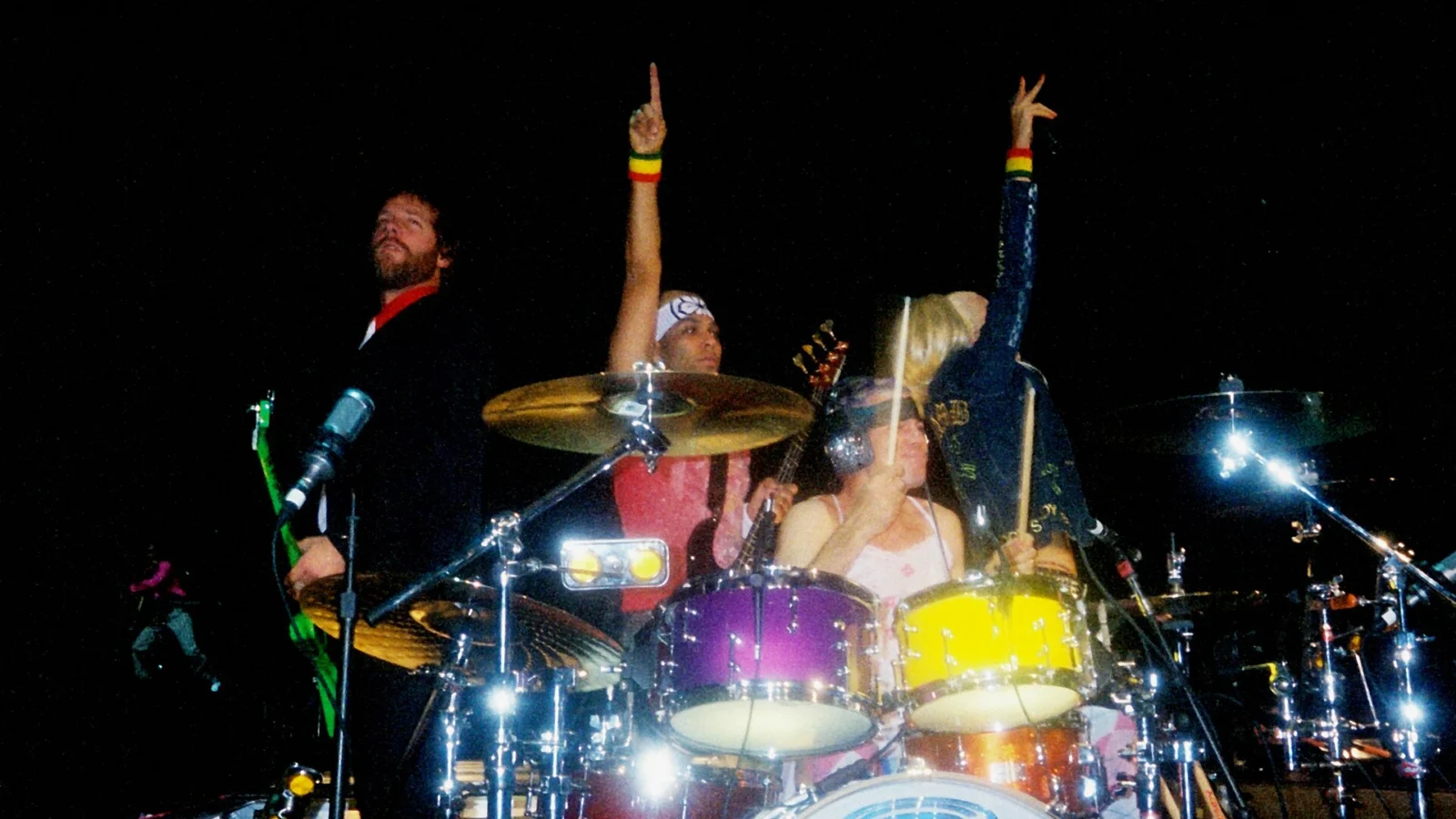
The sharp, urgent rhythm of the brass section sliced through the noisy chaos of the venue, driving a relentless energy across the floor. Trumpets and trombones, typically reserved for more formal arrangements, hammered out a frantic, syncopated beat against the driving aggression of punk rock. This unique, exhilarating collision of sounds created a musical tidal wave, a sound that was both utterly rebellious and surprisingly joyous.
This fusion, known as ska punk, was not merely a mash-up; it was a complex, vibrant genre built on the tension between two distinct musical traditions. By marrying the upbeat, danceable rhythms of ska with the raw, confrontational spirit of punk rock, the genre developed a sound that was both intensely political and irresistibly kinetic. Its distinct sonic signature, driven by the prominence of brass instruments, made it immediately recognizable and provided the perfect soundtrack for a generation seeking high-energy catharsis.
The cross-Atlantic jump
The foundations of this hybrid sound were laid long before it exploded into mainstream recognition. In the late 1970s and early 1980s, the boundaries between ska and punk were porous, with bands frequently sharing stages and influencing each other’s soundscapes. Even early pioneers of punk rock, such as The Clash, began incorporating ska influences into their work, notably on their 1979 album, London Calling. These initial shared billings hinted at a coming convergence, suggesting that the raw energy of punk could find new, rhythmic expression.
The genre took a significant leap across the Atlantic in 1981, aided by cultural touchstones like the film Dance Craze and the influential radio programming of KROQ. This exposure helped solidify the connection between the sounds in the US and the UK. Simultaneously, bands like Fishbone were charting a course as some of the earliest proponents of this blending, establishing a template for the vibrant sonic mash-up that was soon to follow.
The explosion into the mainstream
The period between the late 1980s and the early 1990s marked the golden age for ska punk, a time when the genre achieved remarkable cultural traction. While the groundwork had been laid by earlier, underground acts, it was the later wave that brought the sound into the global spotlight. This momentum continued to build, culminating in the mid-to-late 1990s when the genre finally achieved widespread commercial saturation.
The subsequent mainstream success was cemented by a series of critically acclaimed and massively popular albums. No Doubt became a defining face of the movement, and their 1995 album, Tragic Kingdom, achieved massive commercial milestones, eventually being certified diamond by the RIAA in 1999. Similarly, Sublime’s 1996 self-titled album resonated deeply with audiences, earning a 5× platinum certification from the RIAA in 1999, while Rancid saw their 1995 effort, …And Out Come the Wolves, reach platinum status.
The quiet fade and renewed interest
This peak of popularity, however, proved transient. After the turn of the millennium, the genre began a steady retreat, settling back into a more specialized, niche status. While some bands continued to release music, the expansive cultural presence they once commanded diminished significantly. The Interrupters registered a minor hit with their track She’s Kerosene, offering a moment of visibility amidst the general decline of its widespread popularity.
Despite this withdrawal, the genre retained a powerful, enduring appeal. The renewed conversation around ska was often tied to the influence of specific figures, suggesting that the genre held reservoirs of untapped energy. As one noted, “You can’t talk about the renewed interest in ska without talking Jeremy Hunter.” This persistence proves that the sound was never just a fleeting trend, but a resilient cultural idiom capable of attracting dedicated followings.
The lasting rhythm
The legacy of ska punk is rooted in its refusal to be confined by a single box; it is the sound of two powerful musical energies refusing to remain separate. It represents a moment in music history where the raw, aggressive urgency of punk collided with the joyous, rhythmic complexity of ska, creating something entirely new and wonderfully complicated. The genre’s impact extended beyond the charts, influencing subsequent generations of alternative and punk artists who appreciated its vibrant energy.
The sound, once a powerful, brass-driven torrent, eventually retreated to the fringes, yet its spirit remains etched into the cultural memory. It reminds us that sometimes, the most explosive music is found in the unexpected collision of two vastly different worlds. The sharp, urgent rhythm of the brass section still echoes through the halls of music.
Background: Wikipedia