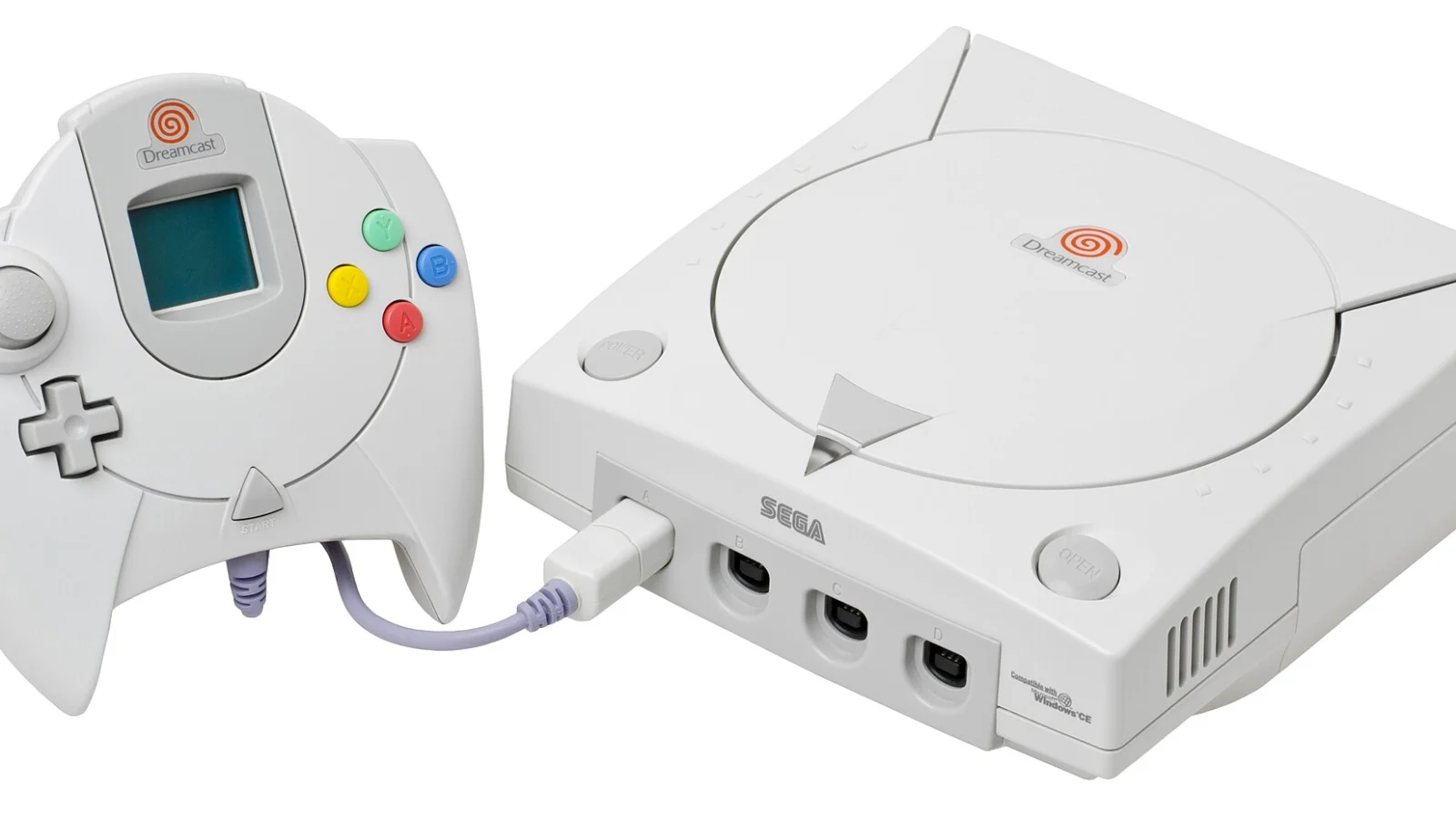
The glow of a new circuit board reflecting off polished plastic was a promise of digital revolution, a promise that manifested in the year 1998. In the history of interactive entertainment, a seismic shift began on November 27th, bringing together four major players in a rush toward the future. The consoles that defined this era were not merely boxes of electronics; they were gateways to an entirely new way of playing.
This sixth generation of gaming hardware represented a massive escalation in technological capability, fundamentally changing what consumers expected from play. It was a time when the internet moved from being a peripheral service to becoming the absolute core of the gaming experience. The sheer number of consoles launched over a short period, each boasting unique strengths and weaknesses, created a fiercely competitive, almost unprecedented, market landscape.
Read more: Digital Revolution: From Zelda Remakes to Next-Gen Productivity Tools
The Great Console Rush
The initial contender to seize the market was the Sega Dreamcast, making its debut on November 27, 1998. This launch signaled a high-stakes race that quickly gathered momentum. Within a short span of time, competing titans arrived with impressive hardware, fundamentally challenging the established order.
The PlayStation 2 followed the initial wave on March 4, 2000, setting a new standard for consumer electronics integration. Shortly thereafter, the Nintendo GameCube arrived on September 14, 2001, while Microsoft entered the fray with the Xbox on November 15, 2001. This relentless stream of competition ensured that the consumer always had a new, shiny piece of technology to consider.
Defining Digital Connectivity
While the hardware was constantly evolving, the most profound change was the full incorporation of the internet into the gaming experience. This was the major innovation that redefined what it meant to play a video game in the modern era. Online connectivity was no longer a novelty feature; it became the mandatory infrastructure for serious gaming.
The Xbox, in particular, was instrumental in establishing this new norm. It was the first system of its kind to feature an internal ethernet port and a hard disk drive, technologies crucial for robust, persistent online play. The services that grew out of this foundational hardware, such as Xbox Live, eventually became the undisputed industry standard for online gaming services, reshaping how developers conceived their titles.
The Linger and the Legacy
Among the varied hardware deployed during this era, the longevity of certain machines spoke volumes about their success. The PlayStation 2, for example, proved to be an astonishingly enduring piece of technology. It remained an active pillar of the gaming world until 2013, cementing its place as the longest-running system of the entire generation.
This staying power was helped by crucial features, such as its impressive backward compatibility with games originally built for the first PlayStation. The commercial success was staggering, with the console eventually achieving sales dominance, becoming the best-selling console in history. “The PlayStation 2 achieved sales dominance in this generation, becoming the best-selling console in history,” noted one observer.
A Constant State of Flux
The competitive dynamic was often volatile and deeply complex. The GameCube, for instance, found itself struggling to gain traction against the powerful appeal of ‘Mature’ titles that the PS2 and Xbox were marketing. Meanwhile, the Dreamcast, despite its early launch, was discontinued relatively early in 2001.
The industry also saw diversification in form factors. While the major home consoles battled for supremacy, portable gaming continued to evolve, notably with the Game Boy Advance launching in 2001. This was followed by the introduction of the Nintendo DS in 2004, which heralded the start of the next handheld generation, demonstrating the breadth of innovation across all platforms.
The Enduring Digital Echo
The ripple effects of this generation are impossible to overstate, laying the groundwork for every console that followed. The sheer market dominance achieved by the PS2, coupled with the industry adoption of persistent online service models, changed the economic blueprint of entertainment. Even the subsequent console generations, like the Xbox 360, were built upon the connectivity established during this time.
The foundational changes—the integration of the internet, the expectation of online multiplayer, and the sheer scale of sales achieved by certain hardware—ensured that the gaming industry would never look at connectivity the same way again. After all the consoles launched, the true innovation wasn’t the hardware itself, but the invisible, connecting web that bound them all together.
More from Ungrid Now
- A Whimsical Echo: The Enduring Charm of a Classic Pull Toy
- Punk Meets Ska: The Explosive Sound of High-Energy Rebellion
Background: Wikipedia