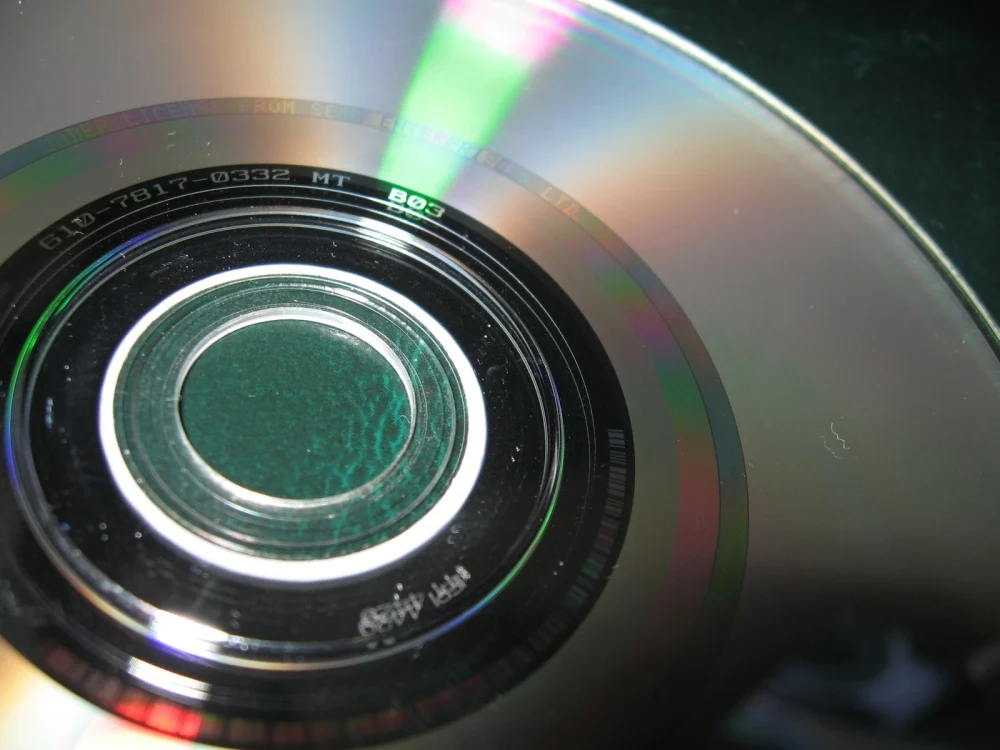
The slick, matte black disc slid into the console, a proprietary piece of technology that promised a vast vault of digital entertainment. Its presence signalled a leap forward, a commitment to storing deep, sprawling worlds that far exceeded previous limitations. This disc, known technically as GD-ROM, represented a critical, ambitious attempt to redefine the limits of video game media.
This format was a significant development, conceived by Sega in collaboration with Yamaha. It was designed specifically to power the Dreamcast and other Sega console systems, addressing the growing pain point of capacity limitations. Essentially a double-density variation built upon the existing CD-ROM standard, the GD-ROM was engineered to handle tremendous amounts of data, theoretically storing up to 1 GB. This massive increase in storage capacity was crucial for developers who were finding themselves constrained by the typical 650 MB ceiling of standard CD-ROM formats.
The struggle against physical limits
The need for increased storage capacity was immense, acting as a primary driver for the format’s creation. While the industry considered other options, like the widely available DVD-ROM, Sega deliberately bypassed this route. This decision was largely dictated by the high production costs associated with integrating DVD technology into the console’s hardware. Instead, the specialized GD-ROM format was adopted, featuring a unique technical structure that included both a single-density track near the centre and a double-density track for maximum efficiency.
The sheer capacity offered by the disc was seen not only as a technical marvel but also as a potential bulwark against burgeoning concerns regarding video game piracy. The extra storage space was theorised to help curb these concerns by embedding more robust protection measures into the physical medium. Furthermore, the initial implementation of the system gave the Dreamcast an air of superior security, as the proprietary nature of the GD-ROM meant it was considered highly resistant to casual duplication.
A crack in the perfect shell
Despite the apparent impregnability of the system, a subtle flaw proved to be its undoing. The initial security model, while impressive, was undermined by a specific vulnerability related to the support for the MIL-CD format. This flaw was exposed when the hacker group Utopia managed to release a comprehensive exploit in June 2000. This exploit dramatically altered the landscape of console security, proving that the supposed digital fortress had a weakness.
The mechanism of the exploit was subtle: it allowed the console to load and run games that had been physically burned onto standard CD-Rs. Crucially, the flaw bypassed the built-in copy protection mechanisms when the console was instructed to load data from an MIL-CD. This technical breakthrough effectively allowed outside parties to circumvent the intended security measures of the proprietary format, opening the floodgates for unauthorized content.
Attempts at containment and technological evolution
In response to the security compromise, Sega reacted swiftly, initially pursuing cease and desist orders against online marketplaces where unauthorized discs were being traded. However, the industry was already primed for change, and the hardware itself had to adapt. By late 2000, a new hardware revision of the Dreamcast was released that specifically removed all support for the vulnerable MIL-CD format.
The GD-ROM technology proved versatile, extending its life beyond the primary console. The format was also adopted as an upgrade option for arcade machines, specifically for the Sega NAOMI and NAOMI 2 arcade systems. It also served as an optional disc drive for other machines like the Sega Chihiro and Triforce, demonstrating its reliability and expanded application across Sega’s diverse hardware portfolio.
The enduring impact of capacity
Technically, the GD-ROM was quite sophisticated in its operation, capable of reading data in constant angular velocity (CAV) mode and operating at speeds up to 12×. While Sega had even planned a future DVD distribution system in partnership with Hitachi and Nippon Columbia, these plans never materialized during the Dreamcast’s relatively brief operational run. The format’s massive capacity marked a genuine, if short-lived, peak in console media technology.
Today, the story of the GD-ROM remains a vivid case study in the battle between technological innovation and evolving digital security. It serves as a powerful reminder that even the most proprietary and seemingly secure systems can possess exploitable flaws. The quest for storage capacity, and the battle to protect digital intellectual property, continues to shape the industry. After all this time, the promise of that single, massive disc still echoes with the sound of a disc loading.
Background: Wikipedia