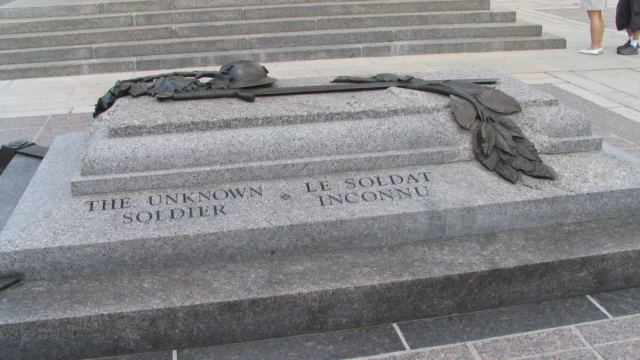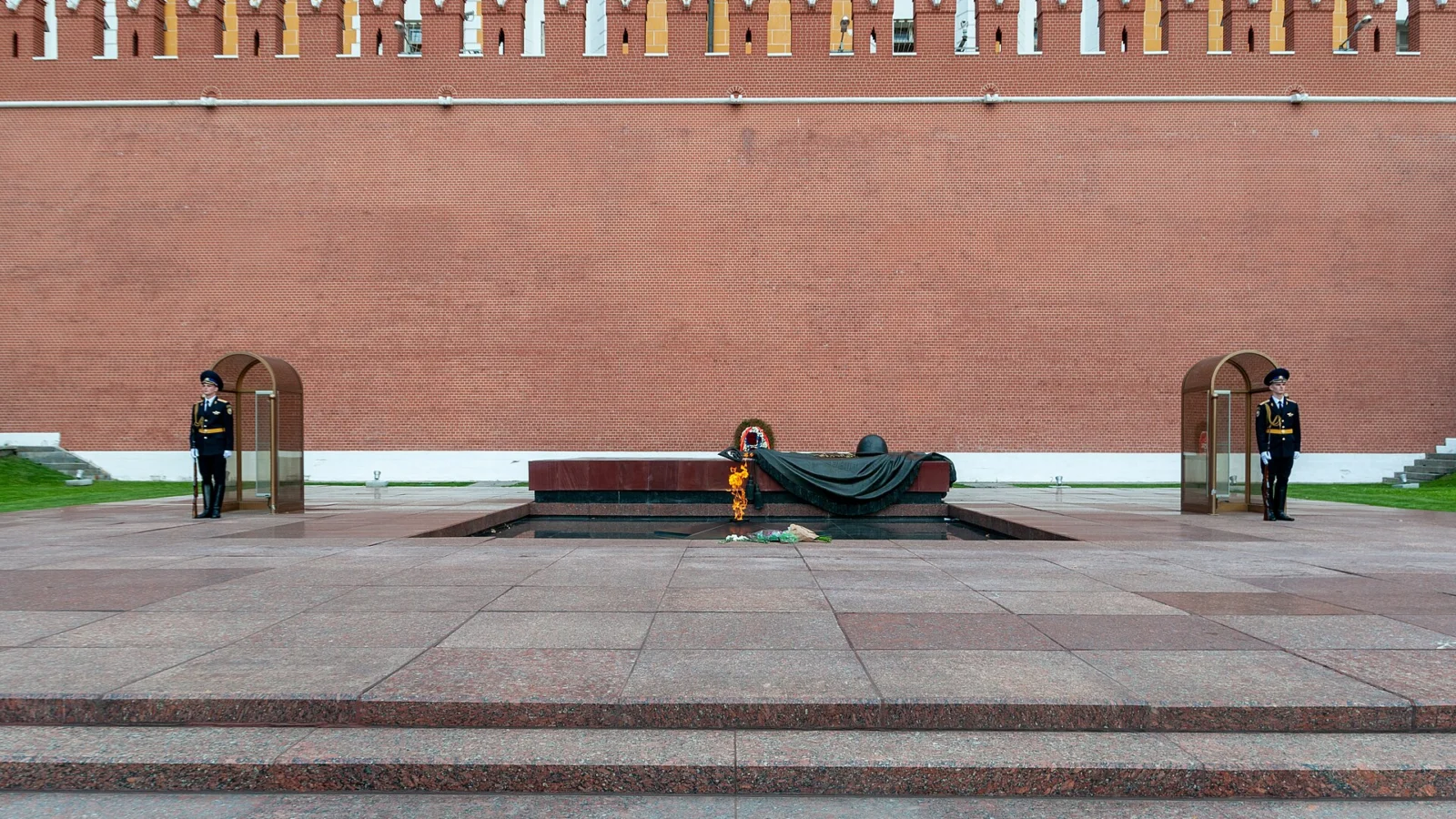
Standing amidst the solemn grandeur, the air thick with the weight of unseen sacrifice, one contemplates the sheer scale of loss. Here, within these consecrated grounds, rest the remains of soldiers whose identities were forever lost to the chaos of conflict. This monument, dedicated to the unknown, serves as a poignant focal point for commemorating the common dead of war.
These national tributes are typically high-profile architectural statements, erected to honour those who fell without their names ever being officially recorded. The concept itself is profoundly remarkable because, throughout history, vast numbers of fallen soldiers remained unidentified, their passing swallowed by the sheer magnitude of battle. The creation of a single, symbolic resting place for such an amorphous group of people speaks volumes about a society’s need to process collective grief.
Read more: Difa-e-Pakistan Council: History of its political power
From ancient remembrance to modern solemnity
The desire to honour the anonymous fallen is not a modern invention; historical precedents show a deep-seated cultural need for such memorials. For instance, the shrine in Jinju, Korea, predates the Western concept of the unknown soldier by centuries, having memorialised the dead from the Imjin War back in 1592. This particular shrine held significance as it honoured all those who had defended the city against the forces of Toyotomi Hideyoshi.
The practice of remembering the dead in Jinju was so ingrained that sacrifices for the fallen were observed there twice yearly until 1908. Across the Atlantic, the very first known European monument dedicated to an unknown soldier appeared much later, in 1849, at the Landsoldaten in Fredericia, Denmark.
The genesis of a national symbol
The impetus for these national symbols gathered momentum in the wake of the First World War. During this global conflict, allied forces, including the British and the French, frequently engaged in the joint burial of soldiers whose origins could not be determined. It was during these grim circumstances that a key figure, Reverend David Railton, observed the grave of an unknown British soldier on the Western Front.
This sighting prompted Railton to propose the establishment of a national symbolic burial for such an ‘Unknown Warrior’. The idea gained considerable traction, with support arriving from influential figures such as the Dean of Westminster, Herbert Edward Ryle. The concept was given significant weight when both Prime Minister David Lloyd George and King George V lent their backing to the monumental idea.
International adoption and lasting tributes
The push for formal recognition manifested visibly across Europe. In France, the organisation Le Souvenir français put forward a proposal to inter the ‘unknown soldier’ within the Panthéon in 1916. This movement culminated when a French bill for the unknown soldier successfully navigated Parliament in November 1918. Consequently, the United Kingdom established its Tomb of the Unknown Warrior at Westminster Abbey, while France erected its Tombe du Soldat inconnu at the Arc de Triomphe.
The international spread of this tradition was rapid in the early 1920s. The United States unveiled its Tomb of the Unknown Soldier in 1921, followed shortly by Portugal’s Túmulo do Soldado Desconhecido and Italy’s Tomba del Milite Ignoto. Other nations, such as Australia, integrated their Unknown Soldier tomb into a larger National War Memorial. More recently, both Chile and Ukraine unveiled their second ‘unknown tombs’ dedicated to the Unknown Sailor.
The enduring mystery and the march of science
While the tombs are designed to represent the totality of national sacrifice through anonymity, the passage of time and scientific advancement have added layers of complexity to the narrative. Although the tombs typically house unidentified remains, the very anonymity they embody is what makes them so powerful. The monument’s dedication to the unknown symbolizes every national sacrifice made by those whose individual stories remain untold.
Interestingly, while the primary function remains symbolic, modern scientific techniques have begun to challenge the permanence of this mystery. DNA analysis has since been conducted on remains previously thought to be unidentifiable, leading to the identification of some soldiers who were once thought to be truly unknown. The initial application of this groundbreaking technology was performed on an airman from the Vietnam War.
A permanent marker for collective memory
These towering symbols of remembrance remain critical touchstones in the cultural consciousness of entire nations. They provide a tangible, physical space where a nation can collectively pause and acknowledge the immense, unquantifiable cost of conflict. They serve as a constant, visible reminder that behind every historical headline or political victory lay individual lives lost to the battlefield.
Even as science chips away at the final veil of mystery, the monument’s core message endures, forcing the modern observer to confront the weight of the unremembered. Standing before them, one cannot help but feel the echo of the unknown soldier.
More from Ungrid Now
- Iraqi protests: How the Tuk-Tuk Revolution challenged the status quo
- Sleepy Lagoon murder: The 1942 crime that sparked a civil rights battle
Background: Wikipedia