Imagine the scent of old cigarette cartons mingling with the focused energy of late-night brainstorming in a Montreal office. On a simple piece of cardboard, a blueprint for cultural conquest was being sketched out, an idea so deceptively simple it seemed destined for obscurity. In a span of less than an hour, the fundamental architecture of a monumental game would be laid down, a trivia beast ready to consume knowledge and bragging rights.
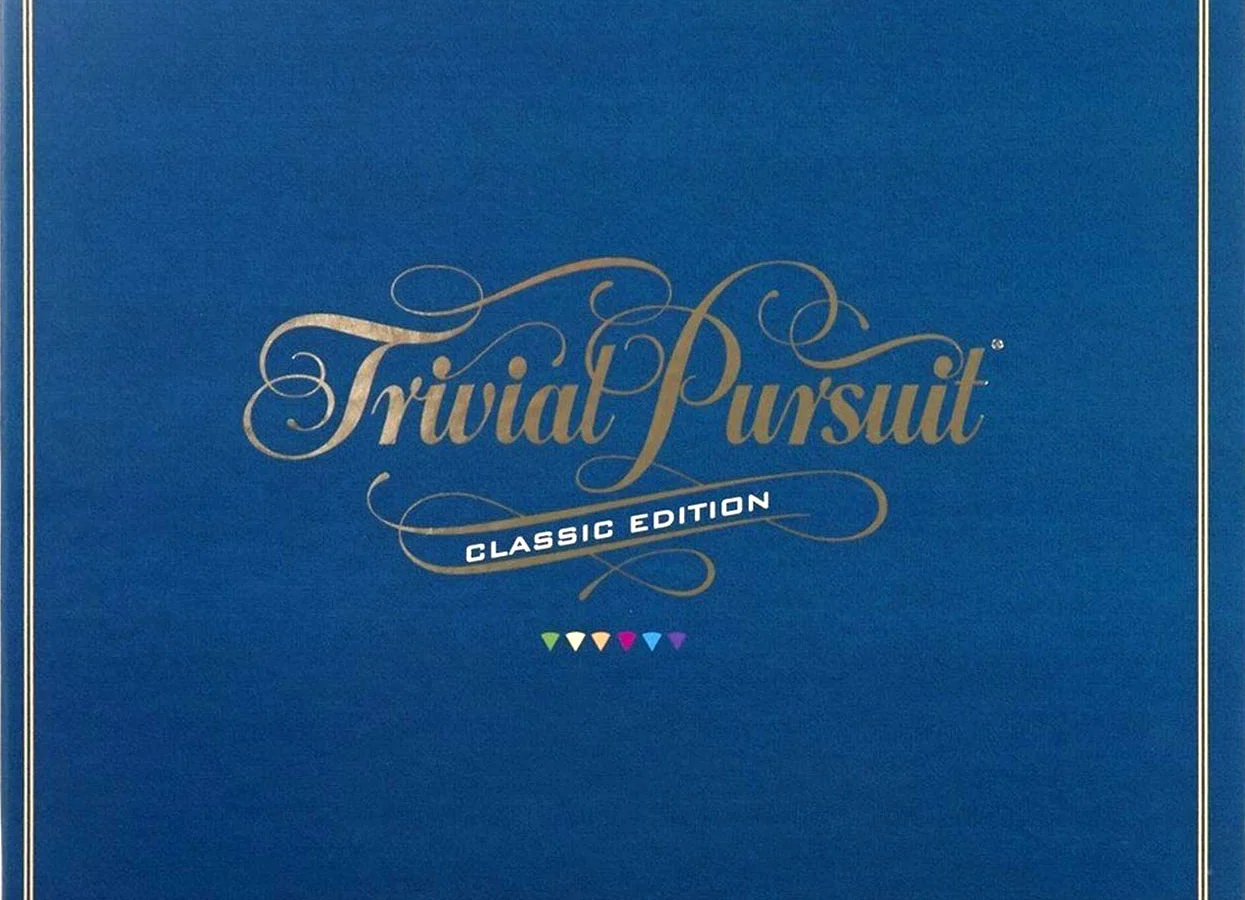
This unassuming Canadian board game, Trivial Pursuit, was more than just a diversion; it became a cultural touchstone, a perfect blend of intellectual challenge and casual fun. It captured the zeitgeist of popular culture by transforming general knowledge into a competitive, collectible experience. Its swift creation and subsequent meticulous development set the stage for a game that would challenge players from every walk of life, turning the simple act of answering a question into a high-stakes social event.
Read more: Contained Cosmos: The Electric Wonder of Plasma Globes
From cigarette carton to Canadian invention
The genesis of this knowledge-testing behemoth occurred in Montreal, Quebec, on December 15, 1979. The creative minds behind the game were two Canadian editors: Chris Haney and Scott Abbott. Their initial spark of genius was not born in a dedicated design studio, but on the back of a cigarette carton. This remarkably fast process saw the core structure of the game designed in just forty-five minutes.
Following this lightning-fast conceptualization, the true labour began. The research phase was extensive, spanning the entirety of 1980. This involved meticulously sourcing and verifying the trivia that would populate the game’s various categories. Once the questions were ready, the creators moved into test marketing in 1981, fine-tuning the mechanics and the difficulty curve before the official launch. The game finally entered the Canadian market in 1981, with its initial iteration being known specifically as the Genus edition, or Genus I.
The surprising speed of creation
What is perhaps most remarkable about Trivial Pursuit is the incredible velocity of its design process. The entire framework—the rules, the categories, the fundamental objective—was established in the space of a single afternoon, scribbled onto the back of commonplace packaging. This rapid prototyping suggests a profound and almost instinctual understanding of what makes a compelling piece of interactive entertainment.
The transition from a quick sketch on cardboard to a commercially viable product speaks volumes about the founders’ efficiency and vision. The sheer amount of knowledge required to fill the game meant that the initial burst of creativity was followed by a rigorous, year-long commitment to research. The methodical testing and refinement during 1981 ensured that the game was not merely a novelty, but a robust, balanced piece of trivia. As one observer noted, it was “The timeless classic and the godfather of trivia games.”
The evolution of the playing field
The game’s enduring appeal lies in its ability to democratise knowledge. While the questions cover a vast array of popular culture and academic subjects, the mechanics ensure that players of varying intellectual backgrounds can participate and succeed. The collection of plastic wedges served as both a scoring mechanism and a visual representation of a player’s breadth of knowledge.
The structure encourages players to seek out weaknesses in their own knowledge, forcing them to engage with subjects they might otherwise ignore. It transformed the competitive landscape of casual board gaming, moving it from simple luck or dexterity to a genuine test of recall and cultural awareness. This foundation allowed the game to build a massive, dedicated following around the thrill of the search for the missing wedge.
Why the knowledge still matters
Decades after its debut in Montreal, the impact of Trivial Pursuit continues to resonate, proving that fundamental, well-executed concepts can achieve extraordinary longevity. The game remains a definitive example of how successfully blending education with entertainment can create a lasting cultural fixture.
It stands as a testament to the power of a simple idea—that the act of competing over general knowledge can be profoundly engaging. From its initial design sketched on a cigarette carton to its status as a beloved fixture in living rooms worldwide, Trivial Pursuit demonstrates that sometimes, the most monumental achievements start with the quickest of bursts of genius.
More from Ungrid Now
- Folding Complexity: The Mechanical Marvel Invented by Ernő Rubik
- The Linguistic Origin: How Pac-Man Was Designed From a Japanese Character
Background: Wikipedia