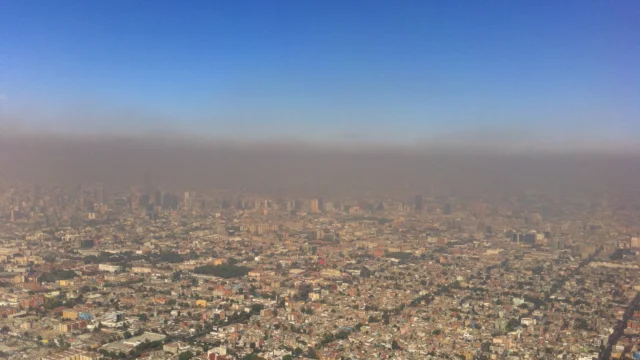
The dense haze hanging over the sprawling metropolis of Delhi serves as a stark, unwelcome visual reminder of the chronic environmental crisis facing Northern India. On Wednesday morning, the Air Quality Index (AQI) soared to a critical 377, indicating that the atmosphere was dangerously classified as “very poor.” This highly polluted air is not merely an inconvenience; it represents a significant public health hazard that affects millions annually.
The surge in air quality deterioration prompted authorities to immediately invoke Stage II of the Graded Response Action Plan (GRAP). This plan initiates a series of progressively stricter emergency measures designed to combat rising pollution levels. To mitigate the crisis, new restrictions have been introduced, including intensive road cleaning operations and the implementation of higher parking charges across the city.
the roots of the urban smog
Air pollution is a persistent, year-round issue plaguing both Delhi and the wider region of Northern India. The accumulation of fine particulate matter, known as PM2.5, poses a serious threat, as prolonged exposure is linked to various respiratory problems and general illness. These tiny particles are so minute that they can infiltrate and clog the lungs, leading to severe health complications.
The current degradation of the air quality was particularly sharp following an unusually clean October, marking a rapid decline in environmental conditions. Experts have attributed this recent downturn to a combination of factors, specifically pointing to falling temperatures and slow wind speeds that prevent the dispersal of pollutants.
compounding the atmospheric issues
The challenge of clean air in Delhi is intensified by multiple sources, creating a complex cocktail of emissions. Vehicular exhaust fumes, ongoing industrial emissions, and low wind speeds are among the primary drivers of this severe air pollution. Furthermore, a significant contributing factor stems from crop stubble burning that takes place in the neighbouring states of Punjab and Haryana.
Adding to the atmospheric strain is the influence of festive periods, such as Diwali. The release of fine gases and particles from fireworks exacerbates the existing pollution load. Meanwhile, the Supreme Court has provided limited regulatory relief, allowing certified green firecrackers for a short period during the Diwali weekend of 7 and 8 November. The court has maintained strict boundaries, banning the setting off of any fireworks within 300 metres of schools and hospitals.
navigating the health and regulatory landscape
The severity of the situation requires multifaceted responses, ranging from infrastructure adjustments to stringent regulatory oversight. To ease the immediate burden on city traffic and aid in reducing emissions, the Delhi Metro has been augmented with 20 additional weekday train trips. Additionally, government offices are staggering their operating hours to help distribute and reduce traffic congestion during peak times.
The scale of the particulate threat is immense; these PM2.5 particles are described by experts as “tiny particles about 30 times smaller than the width of a human hair.” This serious health risk means that during extreme episodes, measures such as hybrid schooling and mandatory work-from-home arrangements are employed. Even in other major Indian cities, elevated pollution has been noted, with Mumbai’s AQI reaching 322 on October 24, though it later improved to 89 by Wednesday.
The ongoing battle against airborne contaminants is a complex interplay between industrial output, agricultural practices, and urban mobility. While the GRAP measures and infrastructure changes offer temporary relief, the fundamental causes demand sustained policy changes. The cycle of poor air quality in Delhi shows that the threat is not a passing storm, but a deeply ingrained reality, a haze that keeps descending.
Source: BBC News