The salty spray misted the air around the derelict biplane, making the metal gleam in the twilight. Dante, the demon hunter, watched the mysterious woman, Trish, as they navigated away from the carnage on Mallet Island. This treacherous journey, marked by the scent of brimstone and blood, carried the weight of a lifelong vendetta. He was escaping, yet his quest for vengeance against the demonic lord Mundus was far from over.
Devil May Cry was an action-adventure title that debuted in 2001, initially designed for the PlayStation 2. What began as a mere concept for Resident Evil 4 quickly blossomed into a sprawling, violent mythology. The game established a unique blend of stylish combat and supernatural horror, placing its action on a remote, cursed locale. Its success was not only measured by its sales—exceeding two point sixteen million copies worldwide—but by the way it fundamentally reshaped the action genre itself.
Read more: Digital Revolution: The Consoles That Defined Modern Gaming
A journey of blood and mythology
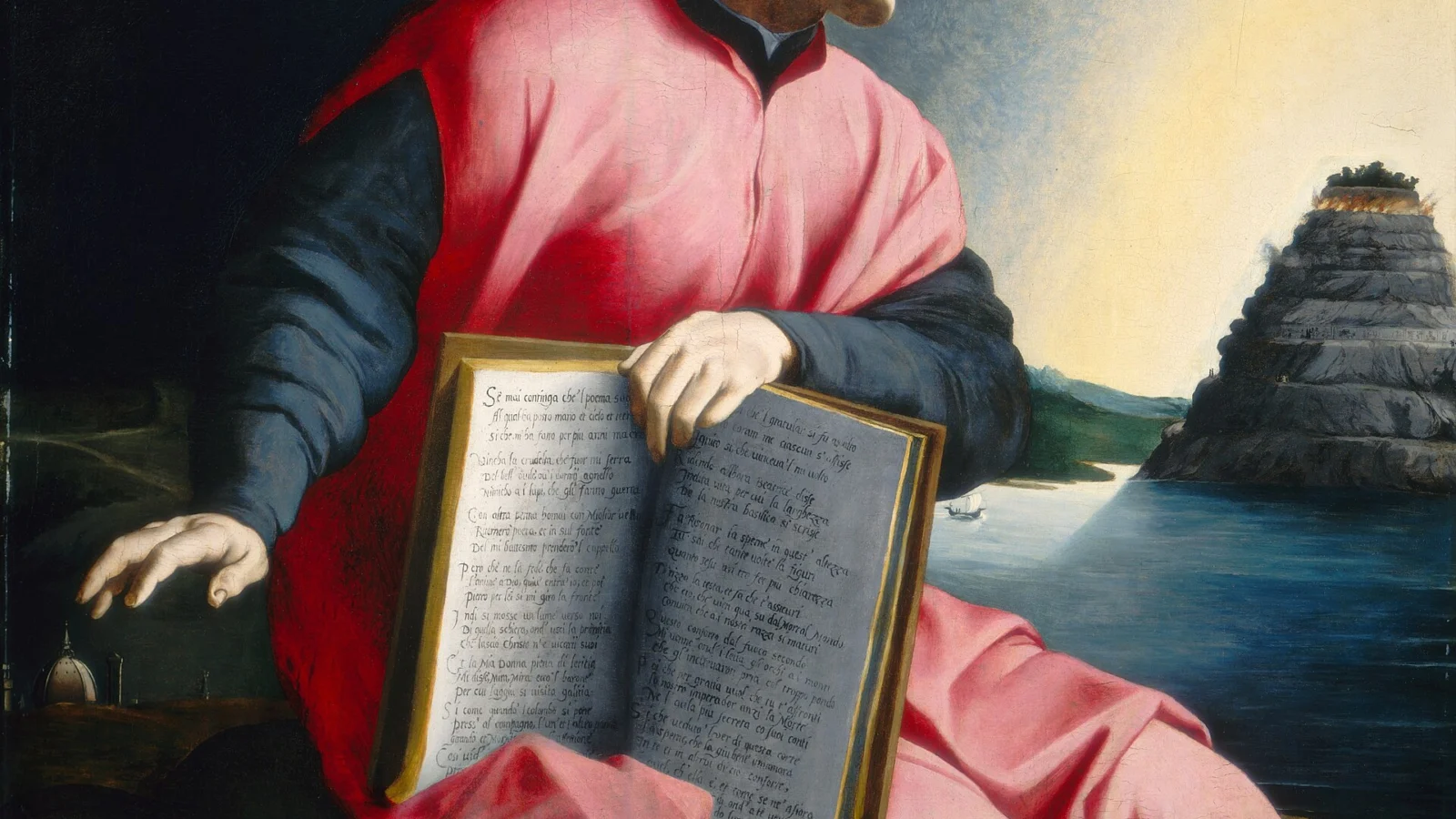
The narrative thrust of the game revolved around Dante, whose own namesake was drawn from the great Italian poet Dante Alighieri. He was haunted by a deep-seated need for retribution, specifically targeting the entity responsible for the tragic deaths of both his mother and his brother. The villain at the heart of this tragedy was the powerful demon lord, Mundus. His quest for revenge was thus inextricably linked to the source of the family’s ruin.
The gameplay itself was structured around ‘missions,’ requiring players to both fight demons and solve complex puzzles within the island’s confines. The fighting style was meticulously designed, drawing inspiration from a specific technical glitch discovered within the game Onimusha: Warlords. This combination of puzzle-solving and visceral combat helped establish a new template for the ‘character action’ subgenre, creating a formula that would fuel a massive franchise, including four sequels, a reboot, and two separate series.
The mechanics of style and power
The combat system was far more than just brute force; it was an exercise in flair, managed by a ‘Stylish’ combat gauge. As Dante engaged in battle, his performance was assessed using letter grades, ranging from a ‘D’ to a coveted ‘S’. This system was complemented by the progression of the ‘Stylish’ gauge itself, moving through stages such as Cool, Bravo, Absolute, and finally, Stylish.
When cornered or facing overwhelming odds, Dante possessed a secret weapon: the ‘Devil Trigger’. This ability allowed him to temporarily transform into a far more powerful, demonic state. Throughout his quest, he acquired formidable magical weaponry, notably the sword Alastor and the Ifrit gauntlets, which augmented his already considerable skill set. A pivotal moment in the plot revealed that the demonic figure guiding him, Trish, was instrumental in his journey, leading him toward the confrontation with Mundus.
The secrets of lineage and fate
The plot thickened considerably when the identity of Dante’s brother was revealed. The character of Vergil was unveiled as his twin, a revelation that deepened the personal stakes of the entire conflict. The narrative also wove in profound literary allusions, drawing heavily from the Italian poem Divine Comedy, lending an air of classical myth to the action.
As the story progressed, Dante and Trish found themselves making a desperate escape on an old biplane, leaving the carnage of the island behind them. During a quiet moment, Dante contemplated the nature of his relationship with the demonic forces, delivering the poignant observation: “it means she has become human and not just a devil, because ‘devils never cry’,” concerning Trish. The mystery and emotional complexity surrounding these relationships were central to the game’s enduring appeal.
An enduring myth
The foundation laid by Devil May Cry was nothing short of revolutionary. By successfully combining the high-octane action of fighting demons with the sophisticated mechanics of a style-based combat system, it helped solidify a new staple of gaming. The franchise’s expansive nature, spanning sequels and multiple series, ensured that its mythology continued to evolve, providing material for countless story arcs and character developments.
Even decades after the initial game’s release, the saga continues to resonate, proving that the tale of a demon hunter seeking vengeance against a cosmic evil never truly fades. Dante and his cursed lineage continue to fight, forever bound by the stylish brutality of their calling.
More from Ungrid Now
- A Whimsical Echo: The Enduring Charm of a Classic Pull Toy
- Punk Meets Ska: The Explosive Sound of High-Energy Rebellion
Background: Wikipedia