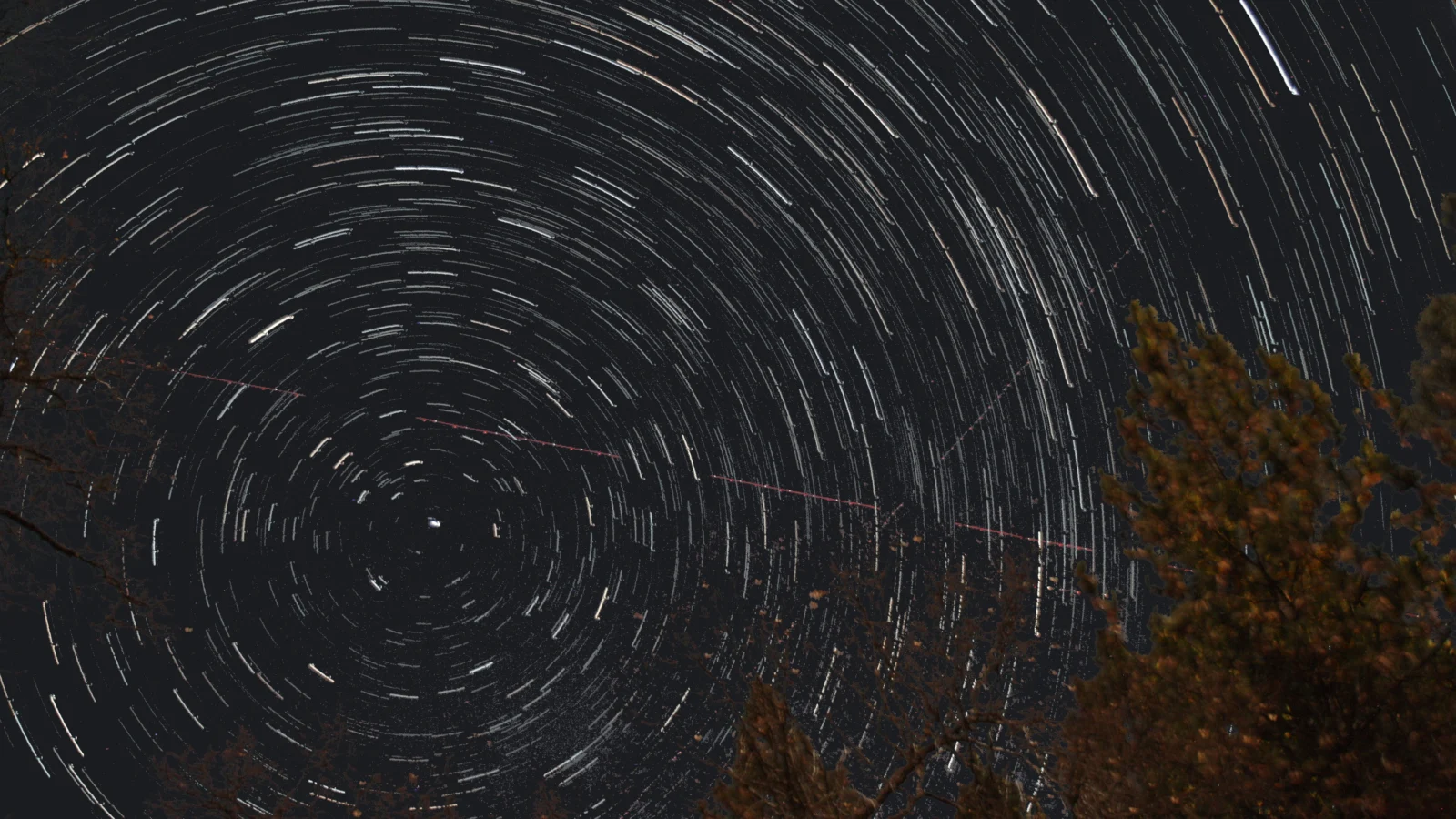
The November night sky promises a spectacular celestial display, offering sky gazers across the United Kingdom a chance to witness a dazzling astronomical event. As the month draws to a close, the cosmos is set to put on a brilliant show, drawing enthusiasts out into the dark fields. This particular shower is famed for the speed and brightness of its fleeting visitors.
The Leonid meteor shower is set to grace the skies from now until the 30th of November. The zenith of this celestial activity is scheduled for the 17th of November, when observers can anticipate spotting up to 10 to 15 meteors every hour. The stunning event is the result of debris left behind by the Comet 55P/Tempel-Tuttle.
getting ready for the light show
To appreciate this incredible shower, finding a safe and completely dark spot is crucial, ensuring that the pervasive glow of street lighting does not obstruct the view. The shower originates from dust particles shed by the Comet 55P/Tempel-Tuttle, which are currently hurtling through the solar system. These cosmic remnants are entering our Earth’s atmosphere at an astonishing velocity, reaching speeds of up to 44 miles, or 71 kilometres, per second.
This incredible speed is what makes the Leonids among the fastest meteors visible in our night sky. Because the event is known for its bright and swift meteors, enthusiasts should prepare to observe the shower throughout the month of November. A wide open space is highly recommended to allow for a complete and unobstructed view of the night sky.
how to maximise your viewing experience
Fortunately, viewing this spectacle does not require any complicated or expensive equipment; no telescopes or binoculars are necessary. The meteors are entirely visible to the naked eye, meaning all that is needed is a patient observer and a patch of clear, dark ground. Before settling in to watch, it is important that your eyes acclimatise to the darkness, which should take approximately 20 or 30 minutes for optimal viewing.
The shower’s radiant point, the area from which the meteors appear to stream, is located around the head of the constellation Leo. Adding to the perfect conditions, the Moon will be positioned below the horizon around midnight during the peak viewing time. This is a massive benefit, as it significantly minimizes reflected light, which greatly improves the chances of a clear view. As one observer noted, “viewing conditions look particularly good around their peak in the middle of November.”
when and where to look out
While the entire UK is set to experience the shower, weather conditions will vary considerably across the country throughout the coming days. The current weekend forecast suggests mixed atmospheric conditions, with the possibility of drizzle and cloud cover. For those planning to watch, the best opportunities for clear viewing are expected in the southern and western parts of England and Wales.
However, observers in Northern England, Scotland, and Northern Ireland should anticipate encountering more persistent cloud coverage. Despite the mixed weather, more areas of the UK are likely to enjoy clear skies by Sunday night, offering renewed hope for stargazers. Though clear skies are essential, potential fog in areas where the skies remain clear could still obscure the spectacular display.
As the nights become colder, overnight temperatures will be dropping into single figures, meaning observers must prepare for the possibility of frost. The weather forecast can be monitored hourly through services like BBC Weather online or their app for the most accurate local predictions. The Leonids offer a brief, brilliant window into the cosmos, a swift streak of light across the dark canvas.
Source: BBC Weather