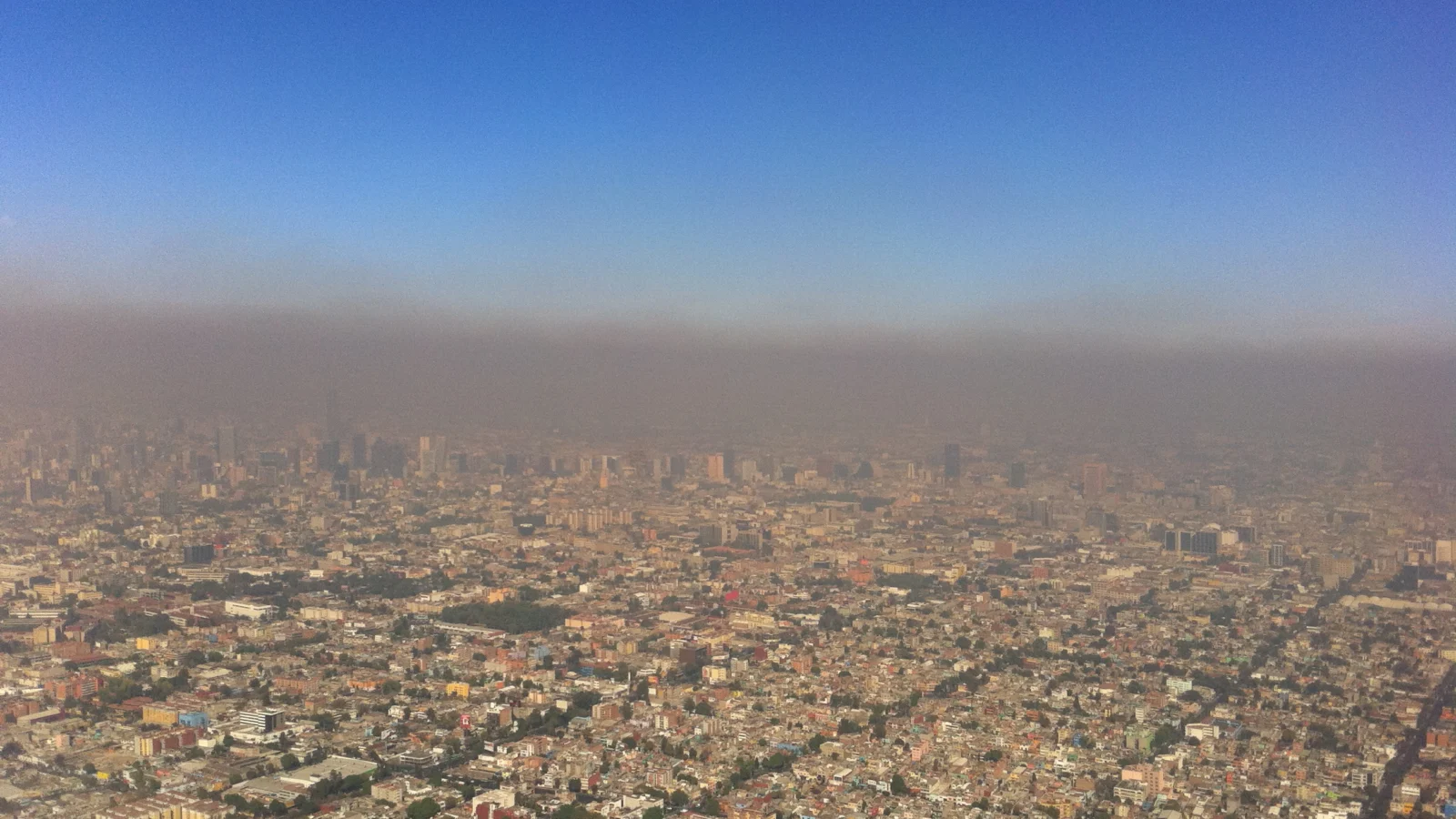
The skies above Delhi frequently present a grim tableau, a hazy blanket that hangs heavy over the sprawling metropolis. This atmosphere, plagued by some of the world’s most noxious air, becomes particularly suffocating as the colder months arrive. When temperatures drop and winds slow, the tiny particles and gases that pollute the air become trapped near the ground, preventing the natural dispersal mechanisms from taking effect.
In anticipation of the inevitable winter smog, the Delhi government activated a comprehensive Winter Action Plan months in advance of the worst pollution period. This critical programme runs from 1 November through 28 February, designed to mitigate the air quality crisis. A core component of this strategy involves restricting the entry of older, more polluting vehicles into the city limits. Furthermore, vehicles must carry a certificate confirming they meet established emission standards for their fuel type.
Tackling the pervasive sources
The sources of this toxic cocktail are multifaceted, stemming from numerous activities across the region. Agricultural practices, specifically crop residue burning in surrounding areas, contribute significantly to the problem. Additionally, emissions from vehicles, industrial factories, construction dust, and the use of firecrackers during festivals all substantially worsen the atmospheric condition. Pollutants also travel into Delhi from neighboring states and throughout northern India, making the issue a regional challenge rather than a local one.
When the air quality dips, monitoring stations frequently record the Air Quality Index (AQI) soaring above 300 during the winter months. On particularly poor days, domestic readings have been documented reaching 500, although international trackers have registered levels as high as 1,000. These levels are alarming when considered against global health recommendations, as the World Health Organisation advises that average PM2.5 levels should not surpass 15 micrograms per cubic metre.
The measures and their impact
The implementation of the Graded Response Action Plan (Grap) is overseen by the federal Commission for Air Quality Management, providing a structured approach to intervention. The current second stage of Grap, for example, places specific restrictions on the use of diesel generators and the burning of coal. To further curb vehicular emissions, the government is actively discouraging private transport use through the imposition of staggered timings and increased parking charges.
However, the measures are not without complexity and unintended consequences. The restrictions placed on vehicle entry have resulted in considerable traffic congestion at Delhi’s borders. Alongside this, temporary bans have been instituted on outdoor construction work and demolitions to reduce particulate matter generation. Despite the careful planning, experts highlight ongoing difficulties with implementation. Parthaa Bosu stated that “when it comes to execution, we probably still stand at the same level.”
Looking ahead
The health implications of the current pollution levels are severe, with tiny particles being capable of entering the bloodstream and affecting various organs, as noted by Dr Manoj Goel. The situation is so critical that a 2025 report estimated that air pollution could potentially reduce life expectancy by up to 8.2 years. Secondary pollutants, which form when gases react with water vapour and sunlight, add another layer of complexity to the toxic mix.
The road ahead demands highly focused effort, with Manoj Kumar stressing the vital necessity of establishing sector-specific targets across power generation, industry, and transport. For residents, the fight against the smog often comes down to personal survival measures, such as teaching staff like Meenu Rana relying on air purifiers to cope with the air. While the Bharatiya Janata Party made tackling this pollution a promise during its last campaign, the challenge remains immense. The hazy skies still hang low, a persistent reminder of the delicate balance between city life and breathable air.
Source: BBC News