The automotive landscape is currently being reshaped by electric vehicles and the promise of self-driving technology. At the forefront of this dramatic transformation stands the highly anticipated Cybercab, an autonomous vehicle designed to redefine urban transport. This pioneering two-seater currently offers just over twenty cubic-feet of storage space, promising a blend of futuristic tech and practicality. The vehicle’s arrival has sparked intense debate, fuelled by ambitious timelines and public bets.
Tesla recently opened up preorders for the Cybercab, positioning the self-driving taxi in the market. This highly anticipated vehicle is reportedly set to retail for a figure of $29,990. The commitment to production was made by Elon Musk during the company’s ‘We, Robot’ event in 2024, wherein he promised that manufacturing would commence before 2027. This announcement set the stage for a significant industry shift, marking the company’s first serious attempt at mass-market autonomous taxi service.
The high-stakes wager
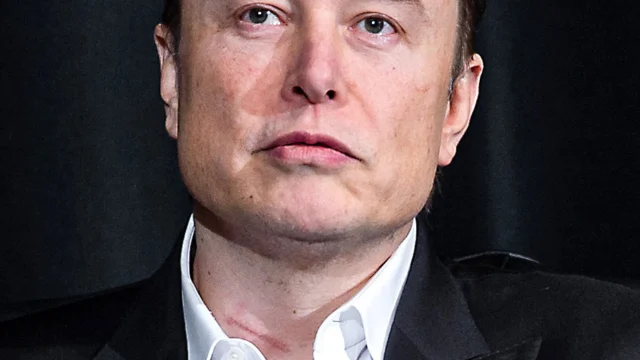
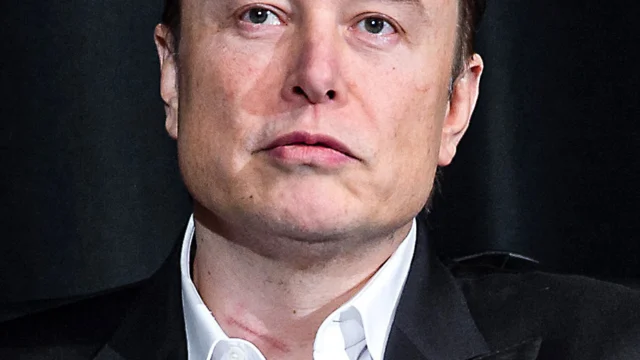
The timeline for the Cybercab’s release has become the subject of a public and highly theatrical disagreement. YouTuber Marquees Brownlee voiced significant doubt regarding Musk’s stated production and cost goals. In a dramatic display of skepticism, Brownlee staked a personal challenge, promising to shave his head if the delivery and pricing stipulations were met by Tesla. This personal financial commitment turned the technological rollout into a public spectacle.
The resulting feud has seen the two figures locked in a highly visible dispute over the outcome of the bet. The core of the disagreement involves determining whether an ‘invite only’ sale can legitimately be classified as public availability. Furthermore, the debate extends to the viability of the projected December delivery date, casting a shadow of uncertainty over the entire rollout plan.
Operating costs and limitations
Currently, the Cybercab is not functioning as a full robotaxi service, but rather is available strictly for personal use by its owners. Even when used privately, the vehicle comes with substantial operational requirements, notably a monthly fee of $299 specifically for the autonomous driving functions. This cost highlights the complexity and the ongoing development required for the technology to function seamlessly.
The operational capacity of the Cybercab is currently tightly controlled by geographical boundaries, a feature known as geofencing. This restriction limits the car’s movements to only select cities within Texas and Florida. While Musk acknowledges these stringent limitations, he maintains that the ultimate goal is comprehensive nationwide availability. Achieving this massive scale, however, remains contingent upon receiving the necessary regulatory approval across the country.
The future of transport
The development of the Cybercab signifies a pivotal movement in the global car industry, as the sector rapidly pivots towards autonomous driving solutions. This vehicle represents Tesla’s major effort to democratise the concept of the autonomous taxi for the average consumer. Musk, addressing the situation with Brownlee, notably referred to him as a “chicken” for not adhering to the terms of the bet.
As regulatory clearances are sought and the technology continues its development journey, the market watches closely to see if the ambition can be matched by the execution. The viability of this platform will not only determine the success of a single model but could fundamentally alter the way people travel. The autonomous future of transportation is finally in sight.
Source: Mashable