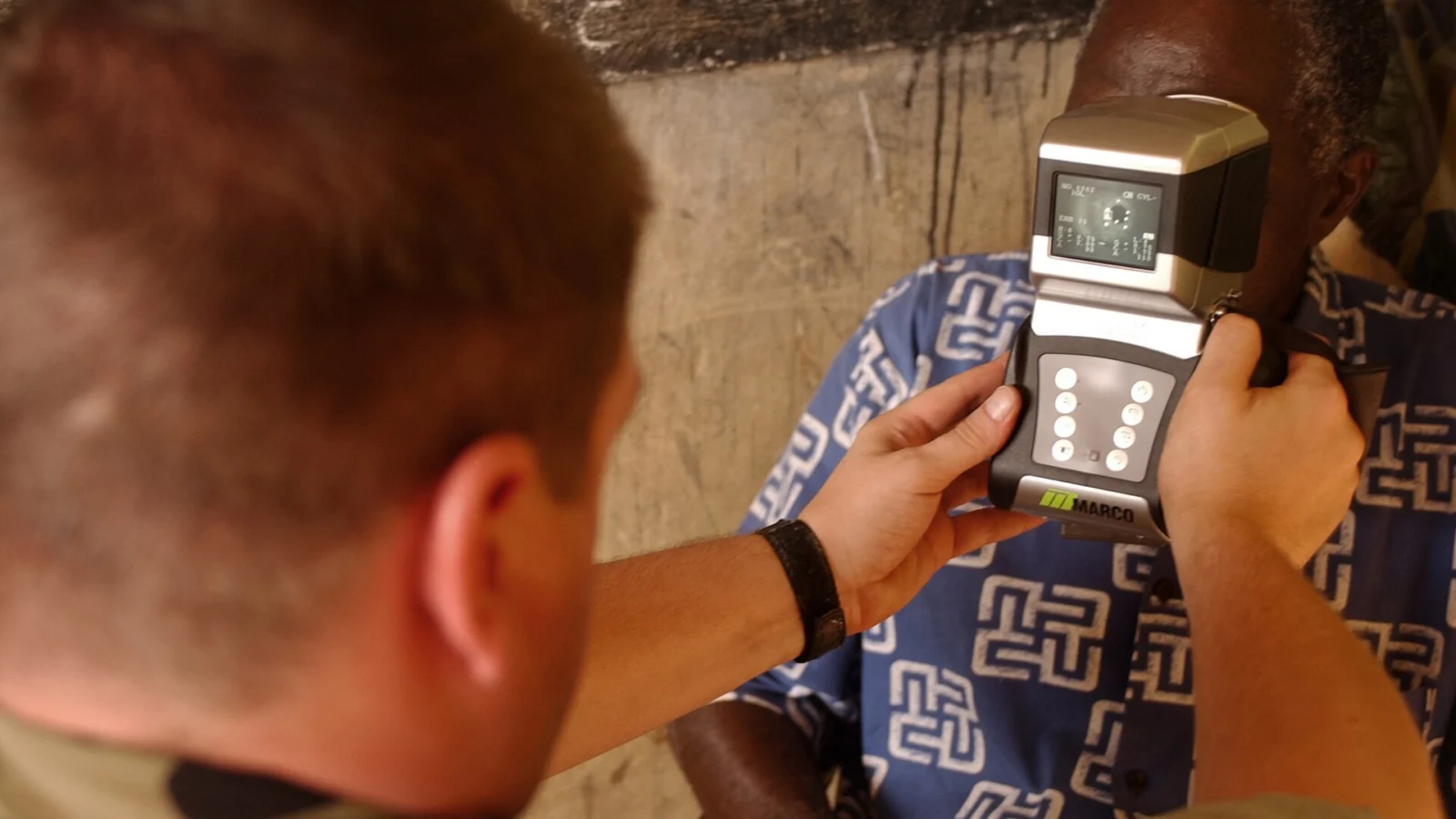
A patient sits in a dimly lit clinic, unaware that the silent thief of sight is already beginning its work behind their eyes. Glaucoma is a devastating condition that often progresses without obvious symptoms until the damage to the optic nerve is profound. Because the loss of vision caused by this disease is permanent, the window for effective medical intervention is often incredibly narrow.
An international team of scientists is currently nearing a major breakthrough in the fight against this pervasive condition. They have spent several years developing a sophisticated new genetic test designed specifically for the most common variety of glaucoma. This research represents a significant leap forward in genetic testing technology, offering a potential lifeline for those at risk.
Read more: Faith, South Dakota installs metal T-Rex statue to honor fossils
The race against permanent blindness
Glaucoma remains one of the primary causes of permanent blindness globally, making it a high-priority target for modern medicine. The core challenge of the disease lies in its stealthy nature, as it frequently takes hold before an individual notices any change in their visual clarity. By the time significant symptoms appear, the damage to the eyes is often irreversible, leaving patients with little hope of regaining their sight.
The new genetic test aims to change this narrative by identifying the condition long before it takes hold. By shifting the focus from reactive treatment to proactive screening, the research seeks to provide a way to catch the disease in its infancy. This approach is vital because early detection is the absolute key to saving eyesight before the point of no return is reached.
A milestone in genetic science
The project has been under development for several years, involving a collaborative effort between researchers from different countries. This international cooperation has allowed for a more robust exploration of the genetic markers associated with the most frequent form of the disease. The work is now reaching a critical milestone that could redefine the standard of care in ophthalmology and genetics.
This breakthrough is considered massive because it opens the door for much earlier treatment options than were previously available. Instead of waiting for physical markers of damage to manifest, doctors may soon be able to use these genetic results to identify high-risk individuals. The research aims to prevent the progression toward blindness by intervening while the eyes are still healthy enough to be preserved.
Changing the future of eye care
The findings represent a major advancement in how the medical community perceives and manages the disease. By providing a primary tool for early screening, the study highlights the importance of identifying genetic predispositions early in a patient’s life. This shift in strategy could fundamentally change how the condition is managed, moving away from late-stage management and toward preventative care.
As the international team continues to refine this technology, the potential to stop irreversible damage before it starts becomes a reality. These advancements mean that the future of eye care will be defined by proactive genetic insights rather than just reacting to fading vision. The goal remains clear: to stop the thief of sight before it can finish its work.
More from Ungrid Now
- Monmouth Deluge: How Extreme Flooding Exposed Old Defenses
- Toxic Chemicals Retreat: English Rivers Show Significant Environmental Recovery
Source: New Atlas