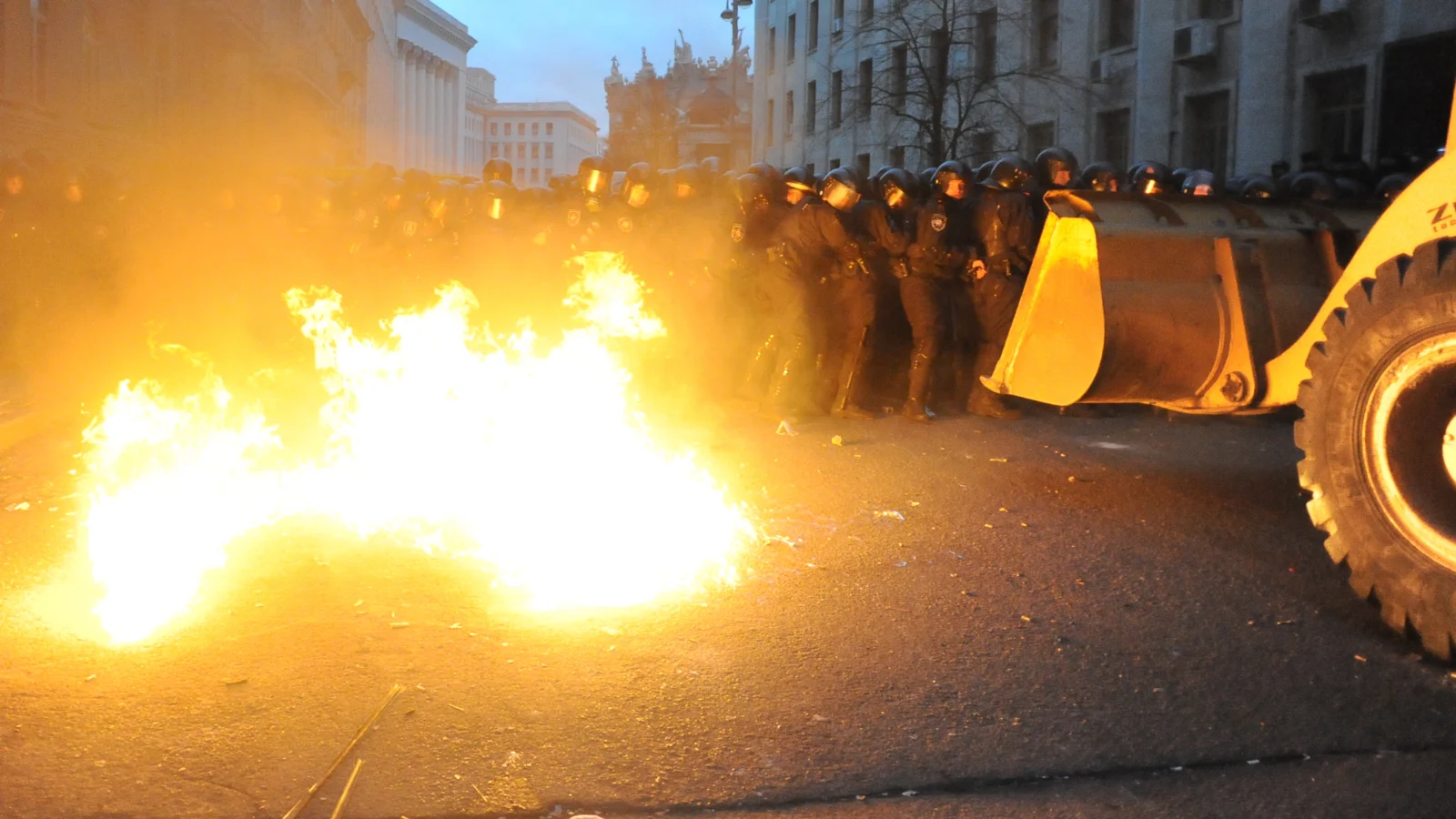
The screech of metal against concrete punctuated the frantic rhythm of the battle, a chilling soundtrack to the urban meltdown. Through the sights of Nick Mason, a member of the T-Zero riot control squad, the modern American city dissolved into a maelstrom of violent anarchy. Molotov bombs arced through the smog-choked streets, and the destructive tide of the Burners surged forward, wielding everything from cleavers to heavy firearms. This intense, visceral chaos defined the experience of Urban Chaos: Riot Response.
This first-person shooter, developed by British talent Rocksteady Studios, was far more than just a high-octane diversion. It stood as a peculiar anomaly within the gaming landscape, notably being the only title released by the studio that lacked any connection to DC Comics properties. Furthermore, despite its popularity, it remains one of the rare titles in its genre that never received a dedicated PC release, making its console dominance all the more significant.
The messy birth of a riot
The genesis of the title was far from a clean, straightforward affair. Development began in September 2004 under the provisional name Roll Call, initially contracted to Argonaut Games for the PlayStation 2 and Xbox platforms. This initial phase, however, proved unstable; Argonaut Games subsequently underwent liquidation just a month after the project began. The fate of the ambitious game hung in the balance until development shifted to Rocksteady Studios, bolstered by backing from SCi.
The initial ambitions for the game were grand, with Eidos Interactive first announcing the project under the title Zero Tolerance: City Under Fire. The initial timeline suggested a late 2005 release, allowing the team ample time to build the complex world of the unnamed city and the menacing gang known as the Burners. However, the project faced immediate hurdles, including a legal challenge when Randel B. Reiss sent a cease and desist notice to Eidos Interactive. This forced a complete rebranding, leading to the final, definitive title: Urban Chaos: Riot Response.
The corporate undercurrents
The journey from Zero Tolerance to Urban Chaos was not merely a matter of marketing; it was wrapped up in a confusing corporate struggle. While the game was being honed, the internal mechanics of its funding and development were subject to scrutiny. The reliance on a complex physics engine, Havok, to bring the in-game effects to life, was matched by the necessity of a robust network solution, ReplicaNet, which enabled both LAN and online multiplayer modes.
Yet, beneath the surface of the relentless action, the corporate dealings were fraught with tension. Questions arose regarding the transparency of the company backing the project. As Jez San once asserted, “SCi intentionally misled its leadership about supporting the company during restructuring.” This statement highlights the intricate and often precarious financial environment that underpinned the creation of such a massive title, adding a layer of unexpected drama to the otherwise focused task of building a high-stakes shooter.
From volatile development to lasting impact
The project’s timeline was significantly disrupted, shifting from its intended late 2005 debut. Despite the initial planning, the release was staggered, arriving in Europe in May 2006, followed by the North American launch in June 2006. The finished product allowed players to embody the T-Zero squad members, battling the destructive force of the Burners—a gang armed with an array of dangerous implements, including cleavers, rockets, and firearms.
The game demonstrated considerable technical prowess, particularly on the Xbox, which incorporated online multiplayer functionality. The successful integration of these features meant that the chaos of the urban setting could be experienced by multiple players simultaneously. Even years later, the dedication to its original vision is evident, as the game remains playable online through Insignia servers, allowing modern players to step back into the turmoil. The Japanese version of the PlayStation 2 port received a critical nod from Famitsu, earning a score of 31 out of 40.
A snapshot of digital chaos
Urban Chaos: Riot Response remains a powerful testament to the complex, often volatile nature of game production. It stands as Rocksteady Studios’ debut title, marking the beginning of a long and successful run for the British developer. It captured a specific, intense moment of urban collapse, translating that feeling of overwhelming violence and controlled aggression directly into the player’s hands. While the world it depicts is a fictional, nameless American metropolis, the feeling of being trapped within its escalating mayhem is undeniably real. The city was overrun, and the riot response began.
Background: Wikipedia