The unmistakable whirring of internal mechanisms, the click of a disc loading, and the anticipation of a new digital world waiting on a CD-ROM. This was the promise of a machine poised to redefine home entertainment, a complex technological beast designed not just to play games, but to mimic the high-octane action of professional arcades. It was a leap forward in the landscape of gaming, marking the beginning of a new era in video game consoles.
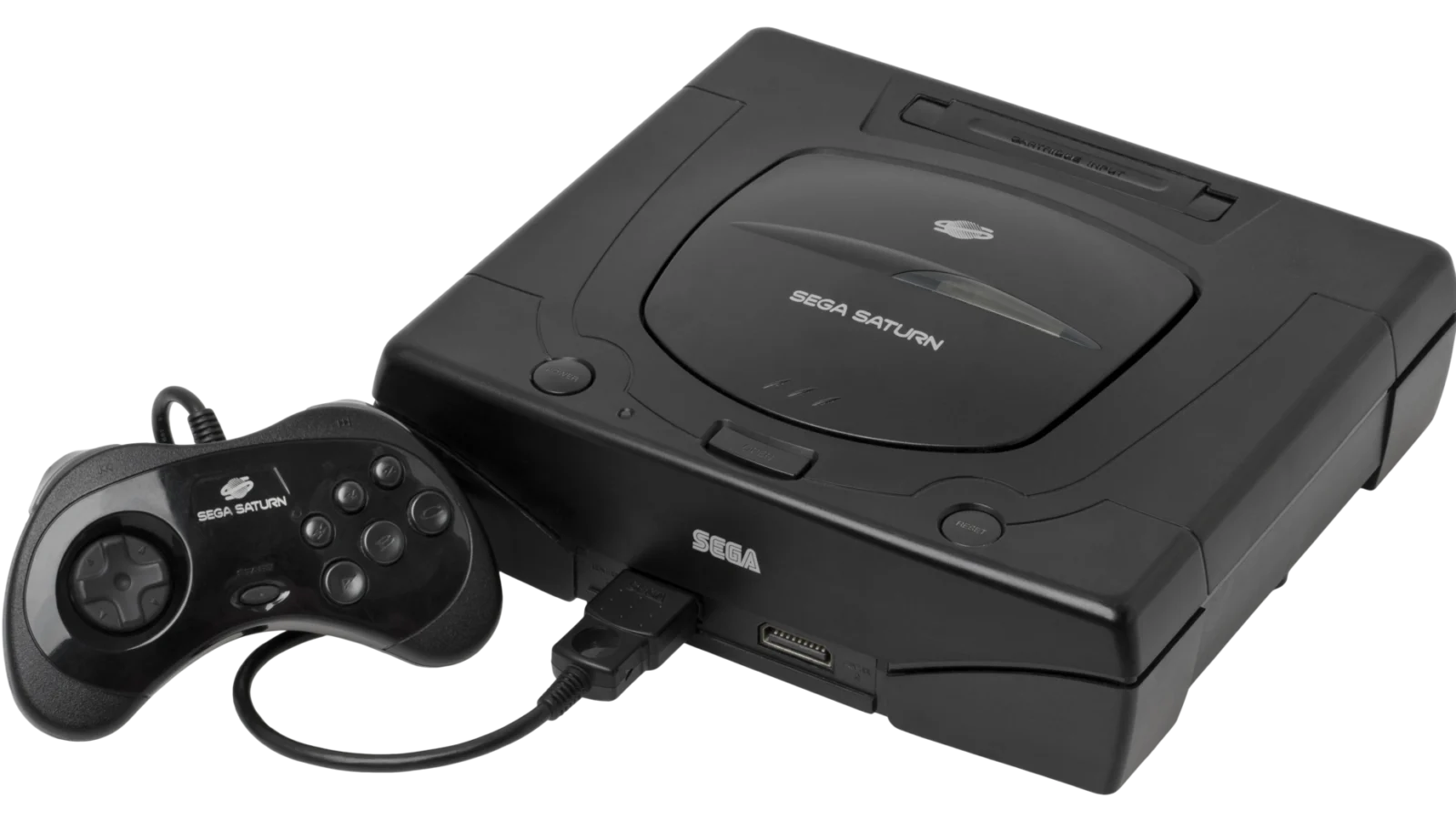
The Sega Saturn arrived as a formidable piece of hardware, representing a significant evolution in the fifth generation of video game consoles. Succeeding the immensely successful Genesis console, the Saturn was engineered by Sega with ambitious goals. It was not merely an upgrade; it was a monumental technical undertaking, featuring a highly advanced dual-CPU architecture supported by eight dedicated processors. These components were carefully integrated to handle the demanding demands of next-generation gaming.
The ambitious genesis of a new console
The journey toward this sophisticated machine began in 1992, when development efforts commenced. Sega was clearly aiming for a level of graphical and processing power that was revolutionary for the time. Central to this design was a new CPU sourced from Hitachi, which formed the backbone of the system’s processing capability. This wasn’t just about making the console faster; it was about fundamentally changing how it operated.
The design philosophy behind the Saturn was focused on delivering a near-arcade experience directly into the living room. As Tom Kalinske noted, “Our people feel that they need the multiprocessing to be able to bring to the home what we’re doing next year in the arcades.” This statement perfectly captured the corporate ambition: to bridge the gap between the dedicated arcade environment and the domestic consumer.
The intricacies of its architecture
The engineering marvel of the Saturn lay in its complex, multi-layered processing structure. Its dual-CPU architecture combined with the utilization of eight individual processors meant that the system could handle numerous tasks simultaneously. This multiprocessing capacity was the key to running the complex, rich games that were released in the CD-ROM format. The shift to CD-ROM allowed for massive storage capacities, providing developers with unprecedented freedom in creating expansive worlds and detailed experiences.
The sophisticated nature of the hardware meant that the system was capable of tremendous power, yet this complexity also contributed to its unique operational characteristics. The integration of various CPUs and processors made the console a highly intricate piece of machinery, a testament to the intense engineering efforts behind its creation.
Global launch and market arrival
The arrival of the Sega Saturn occurred in different parts of the world on staggered schedules. Japan was the first market to witness its debut, with the console launching on November 22, 1994. Following this initial release, the console made its way to North America, where its availability began on May 11, 1995. Europe followed suit, with the launch date set for July 8, 1995.
These staggered global launches marked the moment when the Saturn transitioned from a project in development to a global consumer product. The console’s presence in homes across the globe signaled the start of a major technological shift in the entertainment industry. The sheer scope of its technical ambition—a dual-CPU, eight-processor machine designed to match arcade prowess—was evident in its rapid global introduction.
The legacy of a powerful machine
The Sega Saturn remains a fascinating case study in technological ambition meeting market reality. It represented the peak of a specific design paradigm—a system built on immense internal complexity and processing power. Its existence showcases the incredible leaps in home computing and gaming hardware that were taking place during the mid-1990s.
Today, the Saturn stands as a powerful monument to the intense period of innovation in console gaming. It represents a moment when companies pushed the boundaries of what was technically possible, creating machines that were, in their own right, works of highly complex engineering. The vision of bringing arcade power home, realized through a massive array of processors and the capacity of the CD-ROM, is a story of technological striving. It was a powerful machine, designed for the next generation of play.
Background: Wikipedia