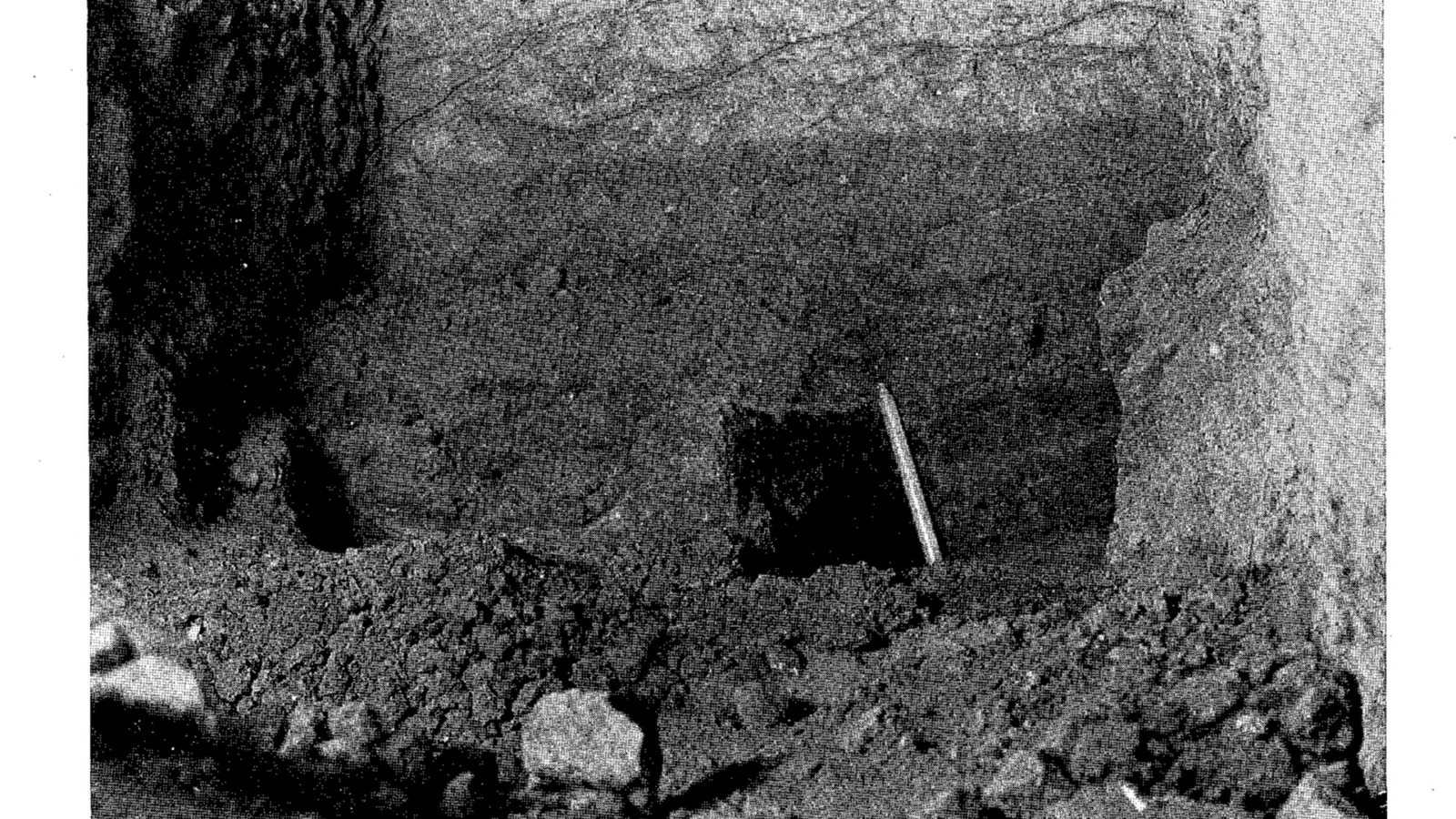
The dry, ancient earth held a secret, a silent repository of forgotten majesty, until the passage of time and the relentless power of the Nile delivered its bounty. Deep within the subsidiary burial chamber of tomb 8 at El Lahun, a narrow, hidden recess had been sealed away by centuries of silt and mud. It was a quiet pocket of history, overlooked by ancient thieves, awaiting the moment when the forces of nature would finally hide it completely.
This untouched cache represented a remarkable glimpse into the opulent life of the Middle Kingdom, preserving artefacts belonging to a figure of high royal standing. It was a trove not merely of gold, but of personal history, chronicling the passage of power and the enduring elegance of ancient Egyptian royalty.
The royal lineage of a lost treasure
The presumed mistress of this significant cache was a woman named Sithathoriunet, a figure whose existence bridged the reigns of several powerful pharaohs. She is believed to have been the daughter of the great ruler, Senusret II, placing her firmly within the highest echelons of Egyptian society.
Her life spanned a remarkable era, as she was known to have lived through the reigns of not one, but three successive rulers: Senusret II, Senusret III, and Amenemhat III. This extraordinary longevity meant that her personal effects encompassed the tastes and power of multiple dynasties, making her cache a layered historical document.
A perfect pocket of forgotten wealth
The treasure itself was meticulously stored within decorated ebony chests, each carefully placed inside a recess carved into the antechamber’s west wall. Though the tomb had been breached and plundered in antiquity, the ingenious nature of the hidden recess meant that the royal goods were entirely missed by historical thieves.
It was a perfect geographical trap: successive cycles of flooding from the Nile deposited mud into this small chamber, effectively sealing and preserving the contents until modern times. The recess itself was a modest space, measuring 1 metre wide and 1.6 metres deep, yet it held enough to tell a thousand stories.
The discovery and subsequent journey
The long sleep of the El Lahun treasure ended in February 1914, when archaeologists from the BSAE managed to rediscover the cleverly concealed recess. The sheer weight of the discovery was immediately apparent, and the riches were reported in The Times (UK) on May 20, 1914, by Flinders Petrie.
The collection included extraordinary items, such as the unique crown of Sithathoriunet, which featured an ajouré uraeus and a gold embellished wig. Other key pieces included pectorals belonging to both Senusret II and Amenemhat III, alongside two distinct sets of jewellery and toiletries. The five original wooden chests that once held these treasures have since deteriorated.
The dispersal of royal memories
Following its discovery, the cache entered a complex journey of preservation and acquisition. The Met purchased the remainder of the treasure in 1916, ensuring its future in a major institution. The artifacts were subsequently transported from London to New York in 1919, and the majority of the finds reside there today.
A select number of the remaining ancient pieces are housed in the Egyptian Museum (the EMC) in Cairo, yet the sheer scope of the collection highlights the incredible fortune found. As Arthur Cruttenden Mace once noted regarding the find: “an object with a story comes as a real godsend.”
The Treasure of El Lahun remains a profound testament to the meticulous care taken by ancient Egyptian elites to safeguard their lives and statuses. It reminds the world that the most magnificent stories are often those that are simply missed, hidden away by mud and time. The secrets sealed within the ancient earth still whisper of unparalleled wealth.
Background: Wikipedia