The critical response to Klara and the Sun has been sharply divided, manifesting in a glaring contrast between audience approval and professional disdain. The film, which arrived in theatres last weekend, reportedly landed at position No. 15, having grossed $720,000 across 880 locations. This modest box office debut followed harsh reviews that dismissed the picture as a “strained, whimsical comedy that’s ruinous.”
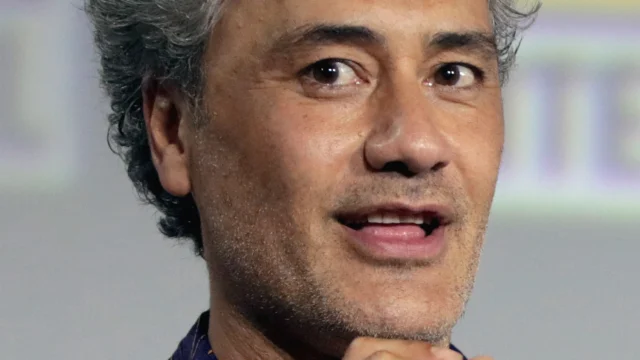
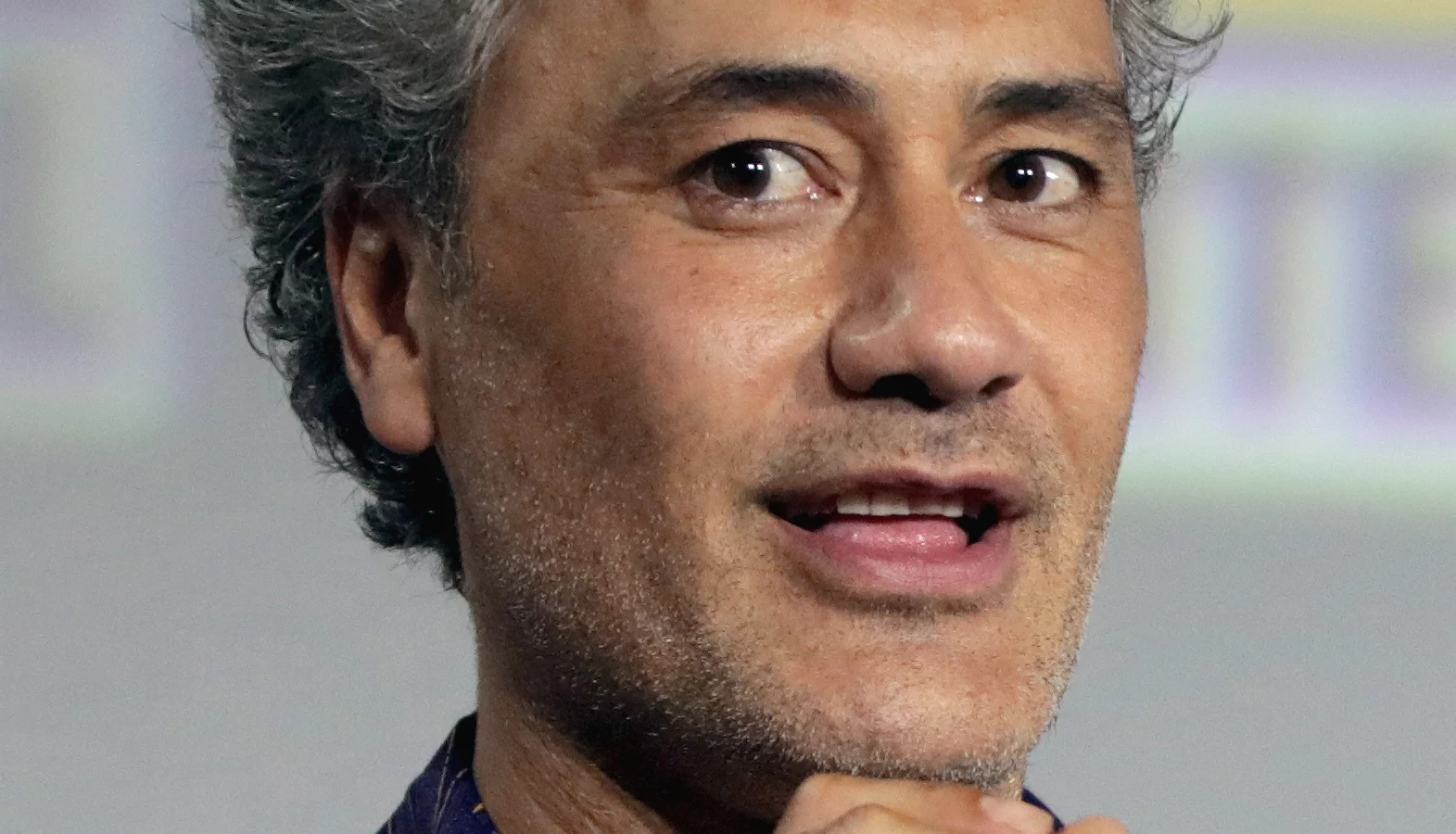
In a highly public defense of his latest directorial effort, Taika Waititi took to social media to address the poor reception and underwhelming commercial performance of Klara and the Sun. The director shared an Instagram post featuring the film’s poster, noting the Rotten Tomatoes audience score of 78%, which stood in stark opposition to the much lower critic score of 28%.
The world of obsolete companions
The film itself is an adaptation based on Kazuo Ishiguro’s 2021 novel, providing a foundation for the unsettling science fiction narrative. Set within a bleak, dystopian future, the story follows a unique premise concerning artificial intelligence and human connection. It focuses on an obsolete companion android, played by Jenna Ortega, as she attempts to form a profound bond with her new owner, a young sick girl named Josie.
The plot deepens the examination of what it means to be human in a technologically advanced but flawed society. The android’s journey to bond with Josie provides the emotional core for the picture, exploring themes of devotion and artificial life. This backdrop of advanced, yet struggling, technology frames the story, giving context to the characters’ struggle for connection.
Director’s fierce reply
Amid the critical fallout, Waititi did not mince words, using his social platform to launch a scathing rebuke against the film’s reviewers. He wrote that he had not read a professional review in nearly fifteen years, but added that he did “listen to the people.” The director then targeted the critics, dismissing them outright as “Irrelevant. Out of touch. Obsolete. In the bin.”
This aggressive defense was echoed by other figures in the industry; for instance, Jenna Ortega revealed that she does not read film reviews, explaining that doing so would lead her into a state of psychosis. She also stated that she avoids checking box office updates, preferring not to let the work become “a numbers thing.”
Looking beyond the reviews
The contrast between the audience score and the critical score highlights a significant schism in how the film was received by different groups. While some critics panned the movie as “calamitous,” the audience score suggests a substantial portion of the viewing public found value in the story. The film’s modest theatrical footprint, scaled back by Sony, suggests that despite the critical panning, the market response was complex.
The enduring message of Klara and the Sun seems to be that genuine human connection—or the attempt to replicate it—transcends critical consensus. Despite the vitriol, the core story of the android and the sick child remains a powerful testament to the enduring need for love. In the end, perhaps the most accurate measure of art is not the score printed on a screen, but the feeling it leaves in the heart.