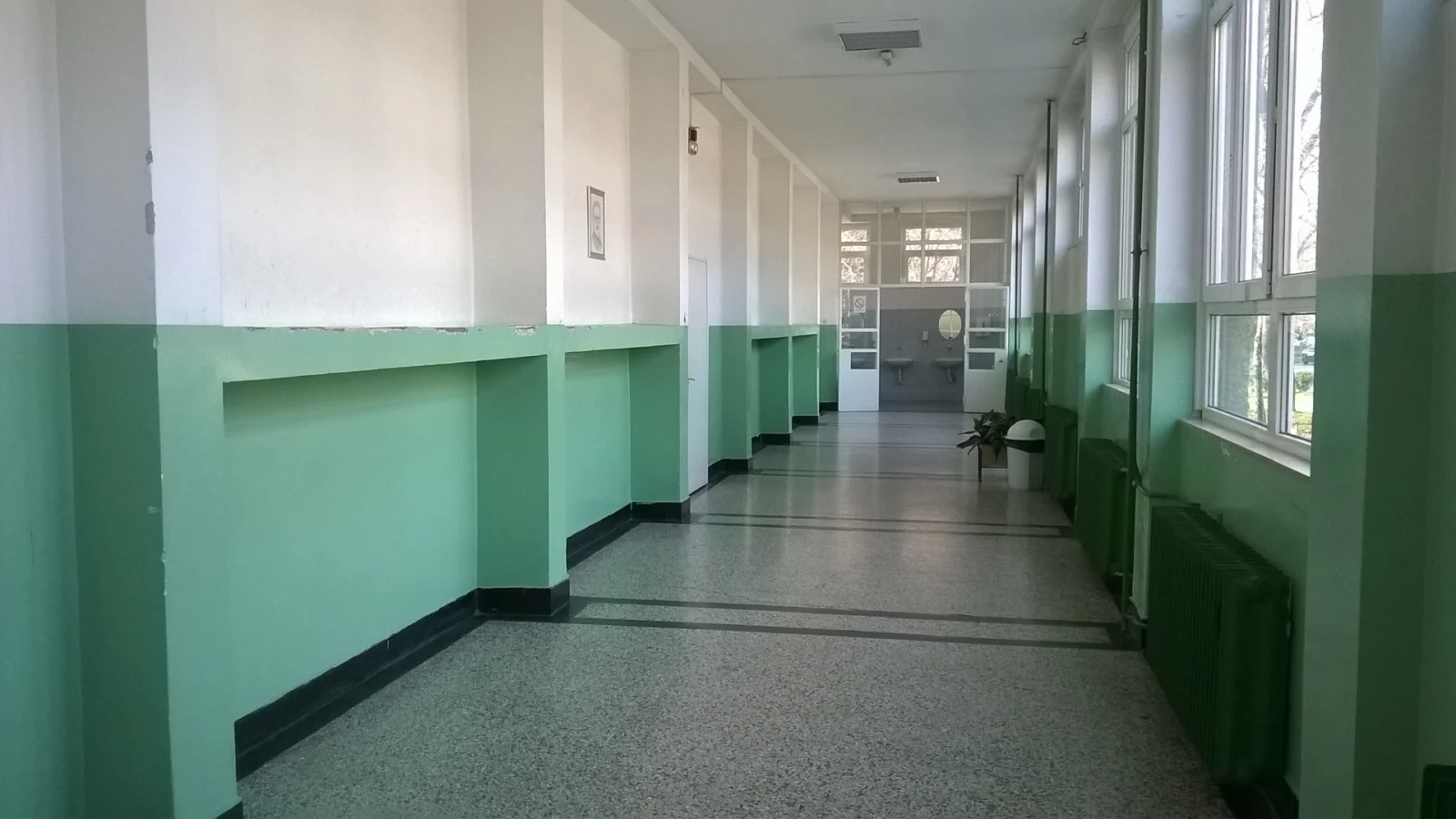
The flickering fluorescent lights of a gymnasium corridor cast long, distorted shadows against the lockers of a Catholic academy. It is a cold October evening, and the air feels heavy with the scent of floor wax and old wood. In this quiet corner of the world, a group of teenage girls prepares for a spectacle that will forever alter their lives.
Netflix has officially launched a new supernatural horror thriller entitled The Body. The series transports viewers back to the year 2004, capturing the specific aesthetic and social pressures of that era. Spanning eight episodes, the narrative follows the St. Marks Lions, a dedicated Catholic school dance team.
Read more: Underground Comedy Goes Mainstream: Don’t Tell & Banijay Deal
The plot hinges on a ritual steeped in occult imagery that takes a disastrous turn during a Halloween night party. While participating in a fake Satanic rite, the girls consume ecstasy, leading to a catastrophic event where one of their own falls into a coma. This incident serves as the catalyst for a haunting exploration of the secrets hidden beneath the surface of their suburban lives.
A hierarchy of secrets
The social dynamics of the St. Marks Lions are defined by a complex web of leadership and longing. Anya, the team’s co-captain and undisputed queen bee, navigates the heavy demands of her community while privately grappling with her feelings for Elise. Elise, a surly co-captain, remains a constant presence in Anya’s orbit, her affection for her peer adding a layer of internal tension to their public roles.
At the heart of the tragedy is Grace, a deeply devout member of the team who finds herself incapacitated by the night’s events. Her high-strung best friend, Maddie, remains by her side, while Grace’s father, Michael, desperately seeks a miracle for his daughter. Meanwhile, the school’s principal and Grace’s uncle, Father Franklin, oversees a community that is beginning to fracture under the weight of the unfolding mystery.
Visions and shadows
The production, led by showrunner Quinn Shephard, intentionally steers clear of traditional thriller tropes. There is no secret conspiracy to unmask and no singular murderer to catch; instead, the show prioritises an atmospheric and moody experience. It focuses on the psychological fallout of the coma and the blurring lines between reality and the subconscious. The series even invites the audience to question whether the terrifying visions experienced by the girls are truly supernatural occurrences or merely drug-induced hallucinations.
The narrative is deeply concerned with the pressures of 2000s society on young women, specifically examining themes of faith, gender roles, and internalized homophobia. Even the social outcast of the group, a Machiavellian girl named Lisbeth, plays a role in this complicated tapestry of personalities. The show’s tone is often compared to the haunting, melancholic atmosphere of a Lana Del Rey song, blending a sense of nostalgia with a creeping dread.
A lingering mystery
The title of the series serves a dual purpose, referencing both a core theological concept and the physical state of Grace’s unconscious form. This duality is central to the show’s identity, as it explores the sanctity of the human form against the darkness of the girls’ actions. “The Body quickly develops a double meaning” — Gabrielle Moss.
As the final episode concludes, the audience is left with a series of lingering questions and a significant cliffhanger. The story refuses to provide easy answers, choosing instead to leave the viewer immersed in the lingering echoes of that Halloween night. It is a haunting portrait of a moment when the line between the sacred and the profane finally snapped. The shadows in the gymnasium corridor remain long.
More from Ungrid Now
- Streaming Giants Battle for $2 Billion World Cup Rights
- The Last Blockbuster on Earth Is Still Open — and Still Renting
Source: Collider