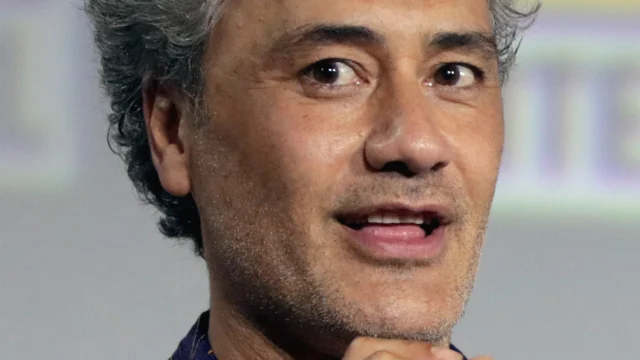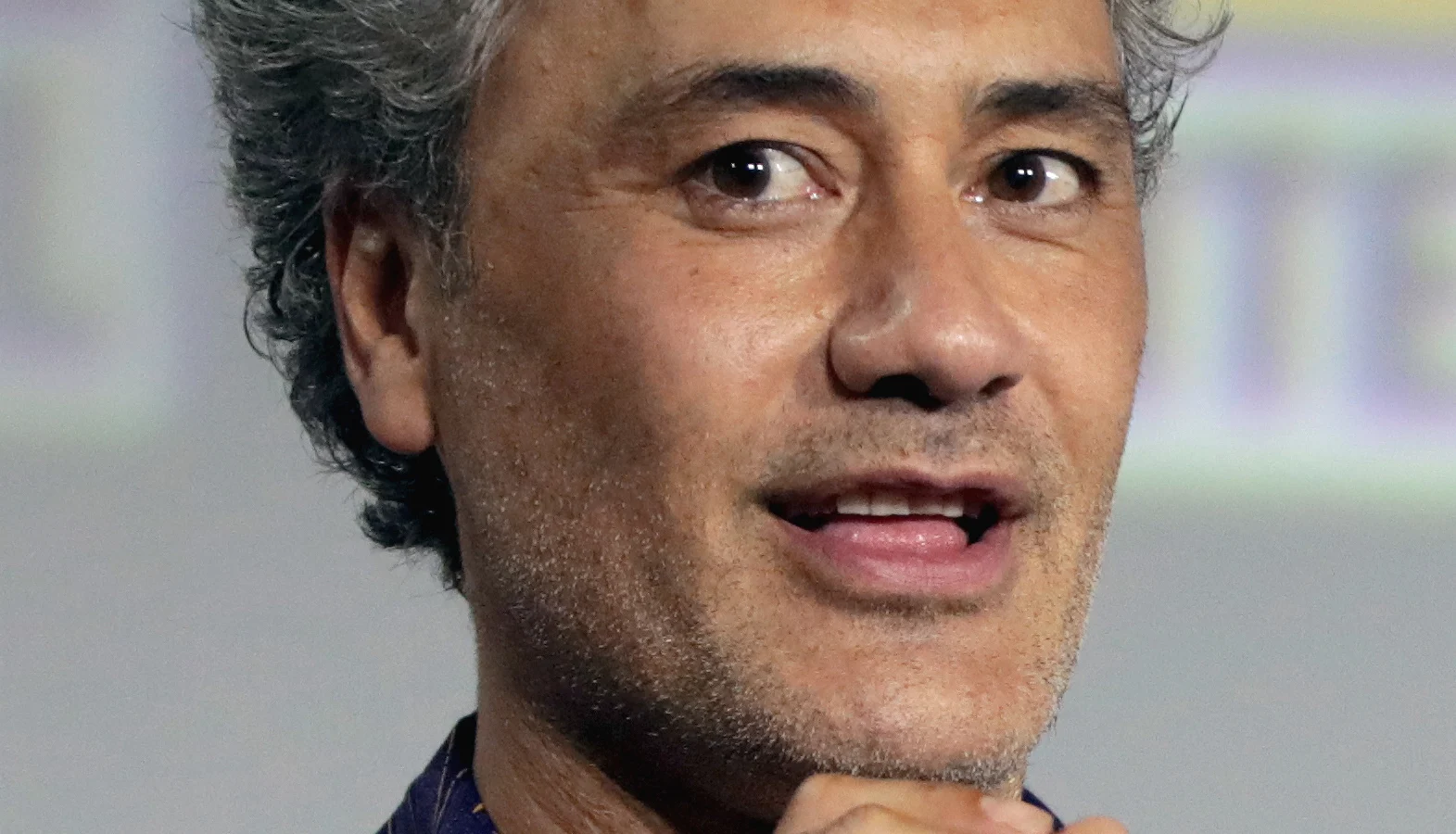
As Taika Waititi’s latest cinematic venture, Klara and the Sun, faced its public reckoning, the celebrated director proved ready to address the critique it received. When the film’s numbers were published, the Oscar winner quickly took to social media to defend his artistic choices against negative professional opinions. He highlighted the significant contrast between the audience reception and the more critical reviews, boasting that the film enjoyed a 78% audience score on Rotten Tomatoes.
The director did not hold back when discussing those who gave the movie poor reviews, asserting that their opinions were dismissive. Speaking from Instagram, Taika Waititi directly addressed the perceived negativity, stating that those who disliked the film were “sad lost souls.” He even drew a parallel between the critics and people who had previously disliked his earlier work, Jojo Rabbit.
A story of artificial companionship
The film is an adaptation of a dystopian novel written by Kazuo Ishiguro, first published back in 2021. The narrative centres around Jenna Ortega portraying Klara, an android created to function as an “Artificial Friend.” Klara is purchased by the family of Josie (played by Mia Tharia), a teenager who is gravely unwell.
The emotional core of the story revolves around the family’s grief. They are actively mourning the recent passing of Josie’s older sister, Sal. The premise places the android into a highly emotional and complex domestic environment, weaving together themes of loss and artificial attachment.
Mixed commercial and critical reception
Despite the high praise from the general viewing public, the film’s professional reception was far more divided. Early reviews, such as one published in Deadline, suggested that while the director is suited for a particular type of cringe comedy, the movie itself failed to deliver on its promises. The film was reported to have had a substantial budget of $20 million.
The box office performance was also scrutinized, with the film opening the preceding weekend to a domestic haul of $701,000. Following the critical response, the distribution was scaled back, with Sony Pictures reducing the film’s wide US release to just 880 cinemas.
What does this mean for the director?
Waititi’s public dismissal of the critics suggests a deep frustration with the establishment’s ability to judge art. He emphasized that while he appreciates hearing from his peers, he finds the negative professional opinions to be entirely disposable. He concluded his critique by calling them “Irrelevant. Out of touch. Obsolete. In the bin.”
His forceful defence of the film’s merits suggests that the director remains fiercely protective of his unique vision. While the critical consensus remains fractured, the strong positive audience scores indicate that the heart of the story connected deeply with the viewing public. After all, the story of artificial companionship continues to capture the imagination.