The hum of a personal computer fan mixed with the faint, hopeful whir of a newly acquired piece of hardware. A programmer, perhaps fueled by late-night coffee and sheer ambition, sat hunched over a keyboard, staring at the cryptic lines of code that represented a dream. This was the threshold of creation, the moment where a hobbyist transitioned from consumer to creator.
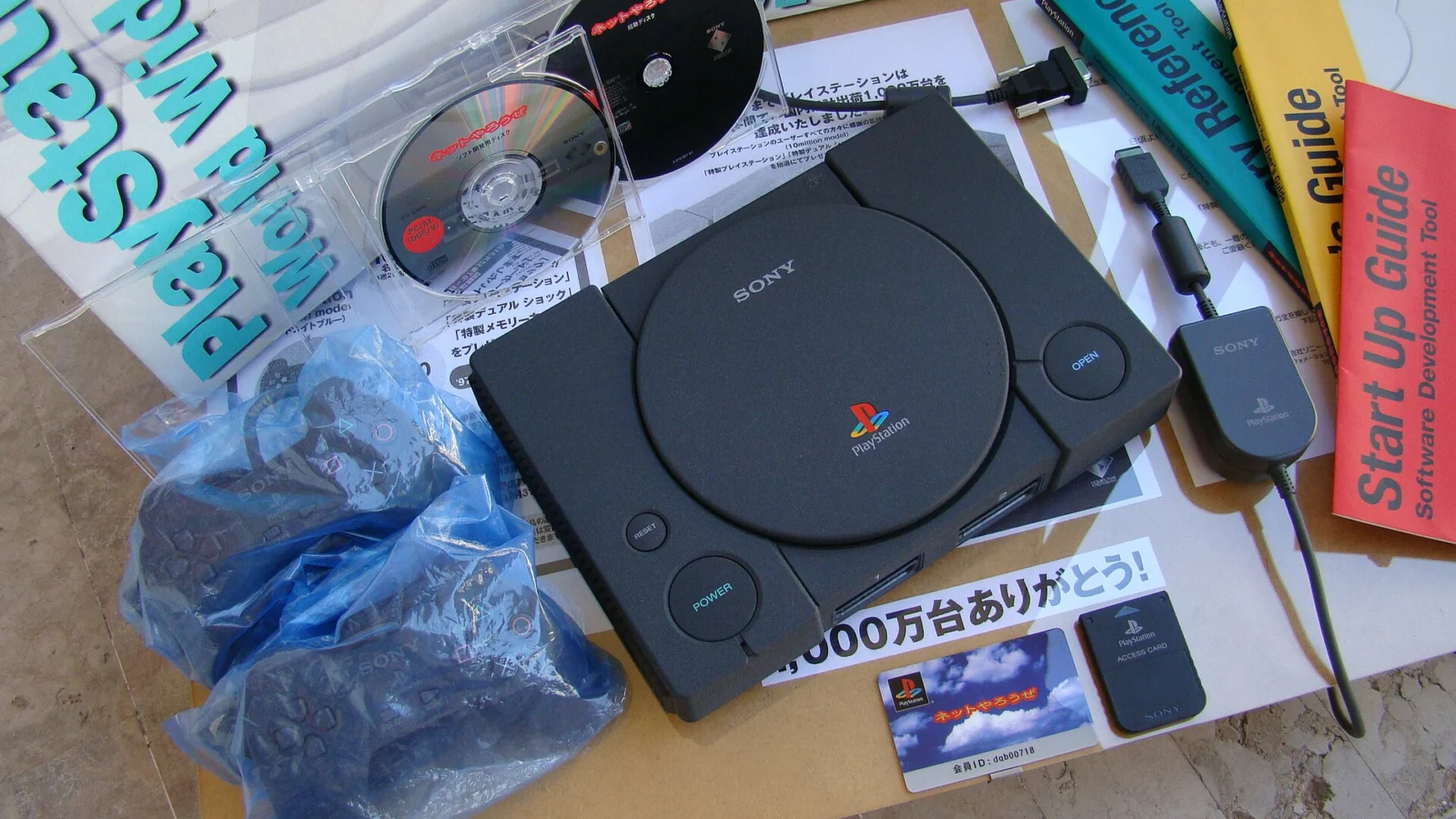
This sophisticated package, known as Net Yaroze, represented a unique intersection of consumer entertainment and high-level technical development. It was a specialised development kit, conceived by Ken Kutaragi, intended specifically for programming enthusiasts eager to dive deep into the technical heart of the PlayStation console. The project was a pioneering effort by Sony Computer Entertainment, aiming to open the door of game creation to a passionate, yet technically challenged, audience.
The genesis of a passion project
The initial concept for this kit began to take shape in late 1996, although it was initially called Net Yarouze before its eventual renaming. The phrase Yarōze itself held a strong cultural meaning, embodying the spirit of collaboration, as it translates to the phrase: “Let’s do it together.” The package was designed not just as a tool, but as an invitation to the development community.
The launch began in Japan in June of 1996, with international availability following in 1997 across various territories. This highly specialized equipment was not cheap; the initial price point was set at approximately $750 US. The kit was intended for serious individuals, being available both through mail order and directly to certain universities, signalling its academic and advanced nature.
The tools of the trade
The physical components of the Net Yaroze kit were a mix of consumer-friendly nostalgia and hardcore technical necessity. Central to the package was the DTL-H300x debugging PlayStation unit, the core hardware needed to run the code. To facilitate the process, the kit included a serial cable that allowed the development unit to interface directly with a personal computer.
Crucially, the user’s PC, such as an IBM PC or a Macintosh, served as the primary environment for writing and compiling the game logic. The kit also contained a CD-ROM packed with essential development tools, including a C compiler, and an Access Card dongle, which was required for the PC-loaded programs to successfully boot.
The limits of early aspiration
Despite its revolutionary nature, the kit carried inherent limitations that would eventually shape the trajectory of amateur game development. While the primary RAM within the kit matched the consumer model, it lacked sophisticated hardware debugging features, and the level of technical support offered was limited. This meant that while the door to creation was open, the path itself was steep and often solitary.
The distribution of the kit was complicated by regional variations. There were three distinct versions—Japan, North America, and Europe/Australia—and the European/Australia version had the specific requirement of booting in PAL mode. While the package was ambitious, the eventual discontinuation of official Net Yaroze servers by Sony Computer Entertainment in mid-2009 marked the end of the dedicated, supported ecosystem.
From hobbyist to industry recognition
The impact of the Net Yaroze extended beyond the technical setup, fostering a vibrant community of creators. Hobbyist games began appearing in the Official UK PlayStation Magazine between 1997 and 2004, providing a public stage for the talent nurtured by the kit. Furthermore, the Game Developer UK Competition in 1998 accepted submissions made using the Net Yaroze, lending official weight to the amateur efforts.
One memorable achievement from this era was the 1998 competition win, secured by Chris Chadwick for his game, Blitter Boy – Operation: Monster Mall. These early successes demonstrated the potential of the platform, paving the way for later, more accessible development methods. The experience of these early adopters laid groundwork that eventually saw similar functionality appear in later software, such as Sony’s Linux for PlayStation 2 and YA-BASIC.
The journey of the Net Yaroze, while ending its dedicated support, did not cease to influence the industry. The pursuit of creative freedom championed by this kit influenced the development career of individuals, notably Mitsuru Kamiyama, who later took on the directorial role for the Final Fantasy Crystal Chronicles series. The spirit of accessible creation, which the kit embodied, resonated throughout the console gaming sphere.
The Net Yaroze stands as a fascinating monument to an ambitious moment in console history. It represents the era when the line between consumer and creator was deliberately blurred, allowing passionate individuals to touch the complex machinery of video game production. It reminds us that sometimes, the greatest innovation isn’t in the polished final product, but in the specialized tools given to the ones willing to build it together.
Background: Wikipedia