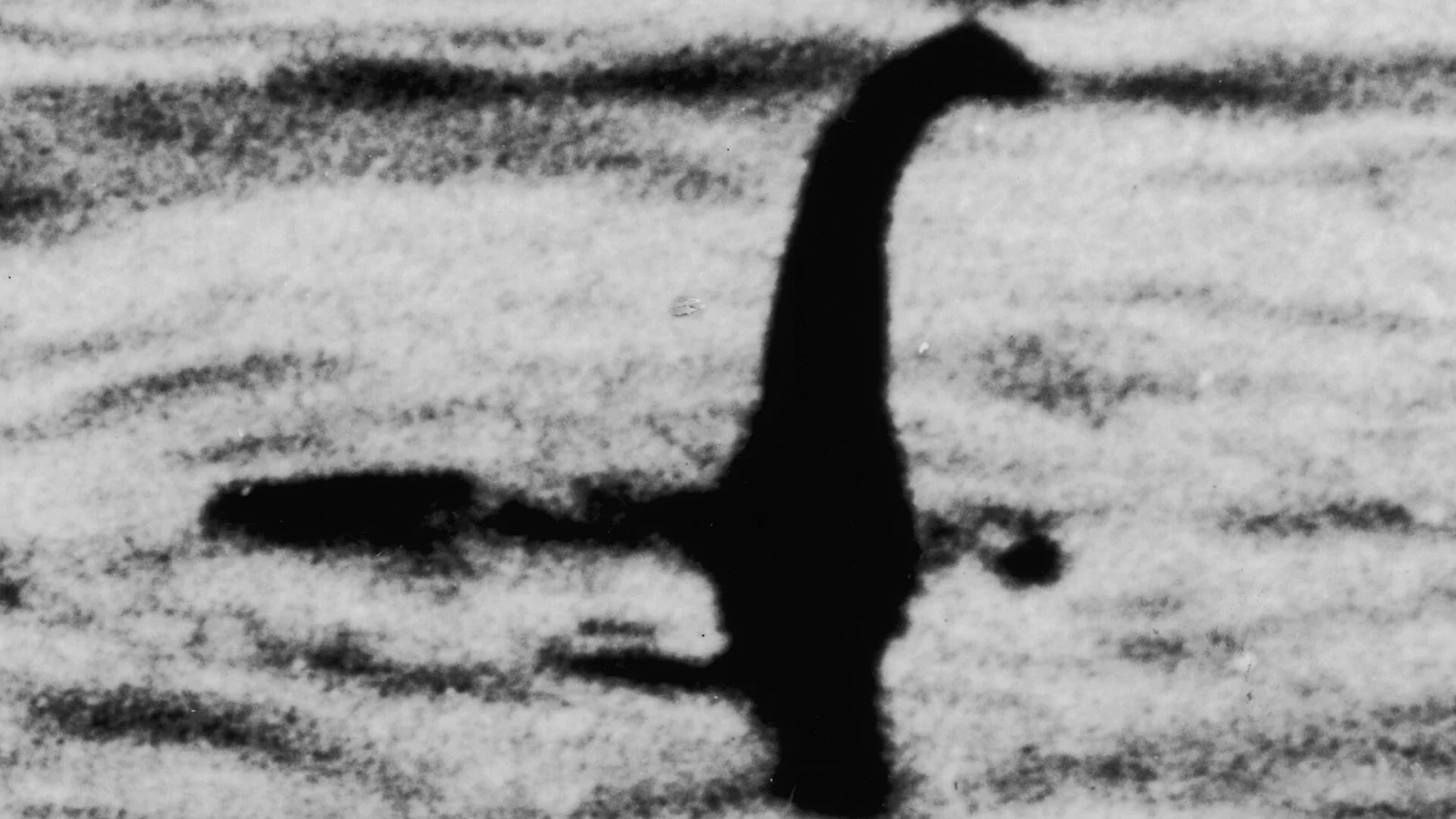
The cold, dark waters of Loch Ness held a mystery that defied taxonomy, a shadowy shape moving beneath the peat-stained surface. It was a myth given form, a leviathan whispered about by locals in the deep, mist-shrouded Scottish Highlands. For centuries, the notion of this enormous creature, known affectionately as Nessie, was a thread of folklore, but its sudden emergence into the modern consciousness proved that some secrets refuse to stay submerged.
This is the tale of the Loch Ness Monster, a creature that exists primarily in the realm of anecdotal sightings and fervent belief. It is a prime example of cryptozoology, the subculture dedicated to the study of hidden or undiscovered animals. The creature is frequently described by witnesses as being both immense and serpentine—large, long-necked, and occasionally possessing discernible humps—making it a perfect blend of ancient legend and biological impossibility.
How the legend first swam into the light
The earliest recorded mention of such a colossal inhabitant dates back to the seventh century AD, predating modern science by over a millennium. The story appeared within the Life of St. Columba, a historical account penned by Adomnán. This ancient narrative involved an encounter between a religious figure and the mysterious beast within the loch’s depths.
The account provided a dramatic snapshot of the early legend, capturing a moment of confrontation between man and the unknown deep. As the event unfolded, the presence of the creature was undeniable to the witnesses, leading to the profound intervention of the holy man. The text recorded the command given during this momentous clash: “Go no further. Do not touch the man. Go back at once.”
What makes this creature so elusive
Despite the centuries of speculation, the evidence supporting the monster’s existence remains overwhelmingly anecdotal. The modern fascination, which truly surged after 1933, is built upon a collection of disputed photographs and various sonar readings that supposedly captured movement in the vast loch. These observations, while compelling to some, are inherently unreliable and rarely provide concrete proof of the creature’s biological reality.
The sheer scale of the creature, as it is often described, presents immediate biological challenges. A monster possessing such size and a long neck would require an enormous, sustaining food source in the cold, deep environment of the Scottish Highlands. Yet, when examined through a scientific lens, the community largely attributes these persistent sightings to mundane explanations, such as misidentification of known wildlife or deliberate hoaxes.
The battle between faith and forensics
The clash between folklore and empirical science defines the ongoing mystery of Nessie. While cryptozoologists passionately emphasize the creature’s possible reality, the established scientific community remains deeply skeptical. Their consistent conclusion is that the sightings are not evidence of a surviving megafauna, but rather the product of human error or deception.
This skepticism led to countless investigations and intense scrutiny of the loch’s waters and its inhabitants. The pursuit of the monster has driven a unique subculture, transforming a local legend into a global phenomenon. The persistent nature of the whispers, however, ensures that the debate continues to rage—a fascinating standoff between what we believe and what we can prove.
Why the shadow of Nessie still lingers
The saga of the Loch Ness Monster transcends simple zoological inquiry; it is a powerful cultural touchstone. It embodies the enduring human desire to find something extraordinary hidden just beyond the edge of our knowledge, lurking in the deep and unknowable. The creature serves as a perfect symbol of the deep mysteries held within the natural world.
Whether it is a genuine ancient beast, a cleverly staged deception, or simply a potent narrative echo, the enduring appeal of Nessie ensures that the cold, dark waters of Loch Ness will continue to hold their breath, waiting for the next ripple to reveal the legendary shape lurking below.
Background: Wikipedia