The digital landscape is currently navigating a turbulent emotional period, marked by a palpable wave of frustration aimed at artificial intelligence. Beneath the surface of technological advancement, a growing undercurrent of anxiety is becoming increasingly visible across social platforms. This sentiment suggests that the rapid pace of innovation is breeding more apprehension than excitement among the populace.
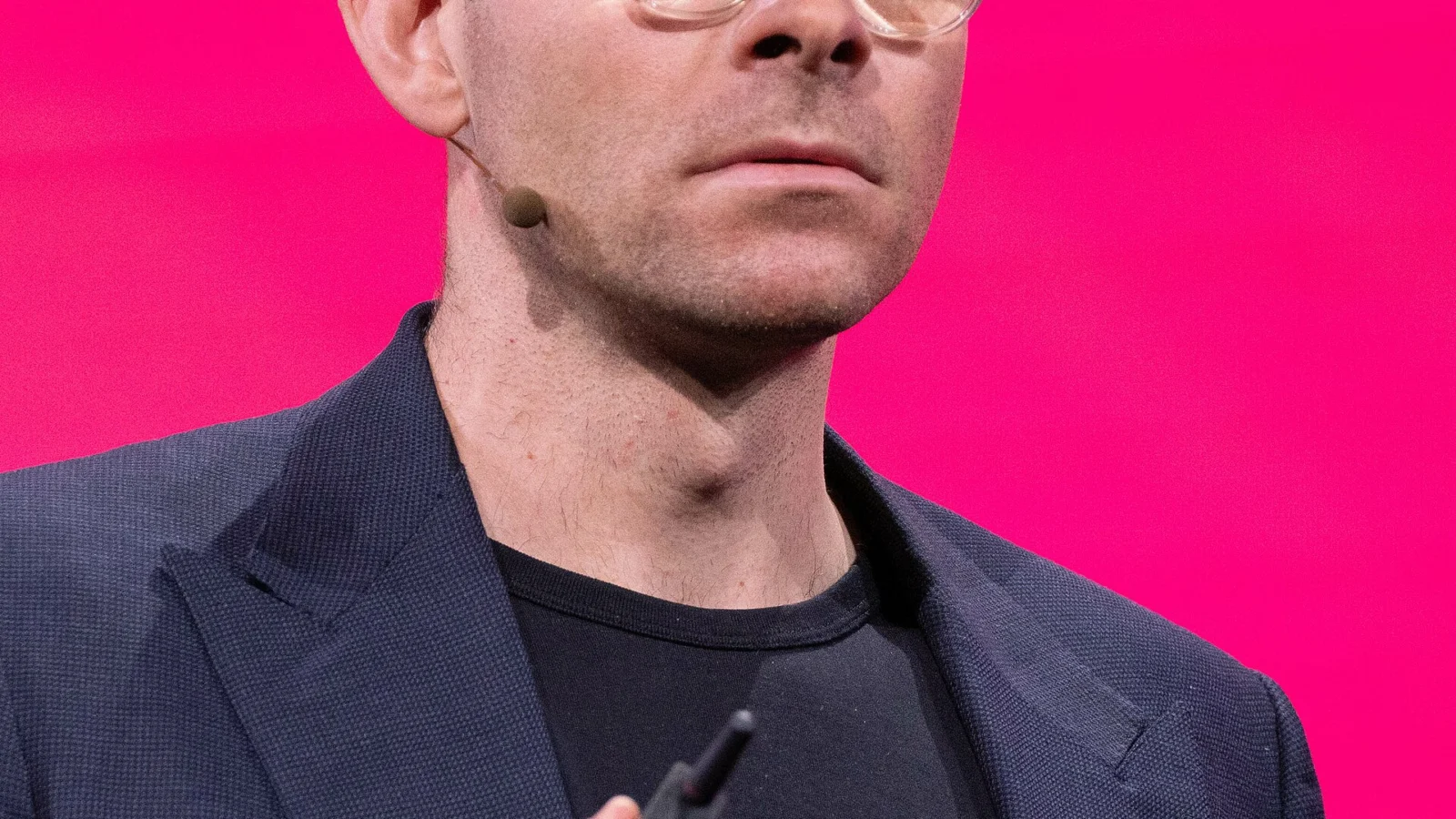
Recently, Adam Mosseri, the head of Instagram, addressed this intensifying mood during a discussion on the Colin and Samir podcast. He spoke candidly about the escalating negativity and widespread frustration surrounding the development and application of AI. Mosseri predicted that this wave of anger and disappointment related to AI is far from peaking, stating, “It’s not only getting worse, it’s going to continue to get worse.”
How the platform is adapting to AI content
The rise of AI has sparked concerns that extend far beyond the typical young creative demographic, affecting people of all ages. This dislike for AI is not confined to specific groups; it is a broader societal reaction to the technology’s impact. The platform has begun actively managing this influx, taking several steps to regulate and label AI-generated material.
Earlier this year, the platform introduced a specific label for accounts that utilize artificial intelligence. Furthermore, Instagram began a crackdown on AI-generated profiles in August. The current policy requires all accounts utilizing AI to clearly label themselves, ensuring transparency for users navigating the feed.
The dual nature of AI creation
Mosseri highlighted the duality inherent in the current state of AI content, acknowledging that the technology is not uniformly good or bad. He noted the existence of genuinely outstanding AI-generated material alongside what he termed ‘AI slop.’ This distinction is crucial, as it suggests that the problem may not be the technology itself, but the quality and intent behind its application.
The concern over content quality is compounded by the issue of misleading deepfakes, particularly those involving celebrities. Despite the platform’s efforts, this challenge remains a persistent problem that requires constant vigilance. Furthermore, Mosseri noted that while the platform has implemented labeling requirements, they do not differentially rank AI creators versus those creating traditional, human-made content.
The deeper anxieties surrounding automation
Beyond the immediate issues of content quality, the conversation touched upon profound existential fears concerning the future of work. Creators have voiced significant concerns regarding the ownership of their original content and the use of their models for training AI systems. These anxieties are mirrored in the professional spheres of engineers and mathematicians who face the specter of job displacement.
Mosseri suggested that the core underlying fear driving this widespread negativity is the feeling of being left behind in the accelerating technological march. He observed a growing trend of “more anxiety and more frustration and more anger about AI,” likening this trend to the phenomenon of graduation booing. While he mentioned his previous use of the term ‘AI slop,’ he also commented that the term is currently being used ‘too liberally,’ underscoring the need for precise discourse.
The conversation ultimately points to a fundamental societal reckoning with how quickly technology is evolving around us. The anxieties surrounding AI are not merely digital noise; they are symptoms of a broader shift in how we define creativity, value human labour, and perceive our place in an automated world. The turbulence, much like the digital tide, suggests the conversation is far from over.
Source: The Verge