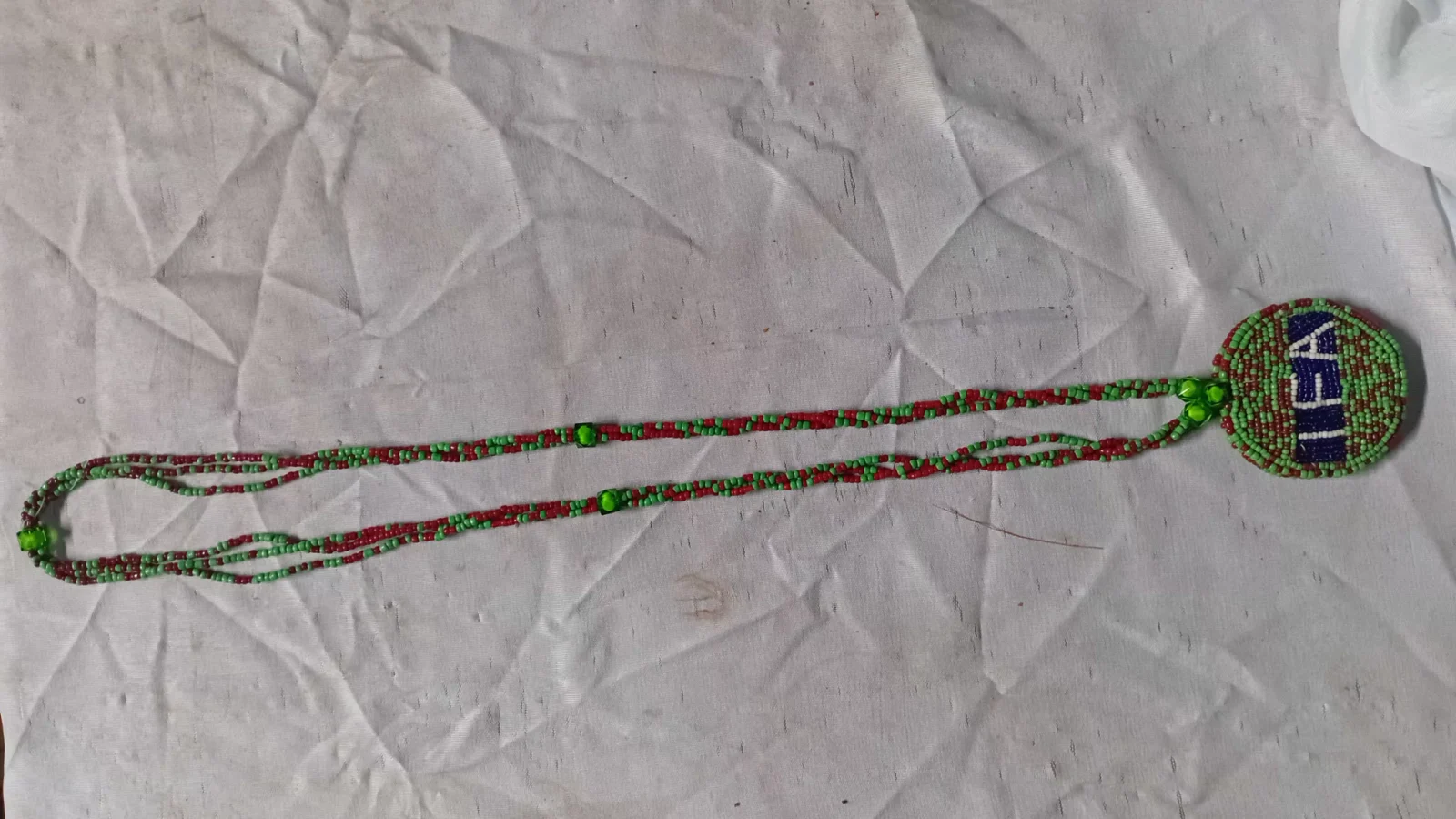
The small cord, strung with meticulously chosen beads, offered a silent sermon to anyone who paused to observe it. Each piece of coloured glass, carefully placed, represented a complex theological concept, transforming a simple accessory into a visual narrative. It was a wearable message, a portable allegory of faith designed to communicate profound spiritual truths without uttering a single word. This humble piece of craft encapsulated a deep tradition of teaching through tangible objects.
This object, known by several names including the gospel, witness, or wordless bracelet, functions as a deliberate tool for Christian evangelism. It is a clear descendant of a contemporary phenomenon—the Awareness bracelet trend—which saw similar symbols utilized by groups like Livestrong and the ONE Campaign. However, the salvation bracelet carries a specific, highly structured religious message, using its chromatic pattern to map out key stages of the Christian gospel. It is a remarkable example of how material culture can be harnessed to transmit complex belief systems across cultural and linguistic boundaries.
The ancient echo of a modern trend
The concept of teaching through visual aids is not new, finding its origin in the Wordless Book, an invention by Charles Spurgeon, a prominent 19th-century British Baptist preacher. This predecessor established the foundational principle: using familiar objects to illustrate spiritual doctrine. While some accounts suggest that Christians in Antioch in the first century may have utilised similar forms of symbolic representation, the modern beaded bracelet is firmly rooted in this tradition of visual evangelism.
These bracelets follow the established religious model of using tangible items to guide understanding, much like the Wordless Book did. The most prevalent iteration involves coloured beads carefully threaded onto a cord, creating a sequence of colour that represents the narrative of salvation. This practice was noted in a 1995 article, which referred to these specific items as “Roman salvation bracelets,” highlighting the enduring and evolving nature of this specific form of devotional craft.
A debate over the colour code
The design of the bracelet is not universally agreed upon, leading to significant theological and cultural discussion surrounding the correct sequence and selection of colours. One common arrangement suggested by Jefferson Bethke dictates a progression starting with Black, representing sin, moving through various colours, and finally arriving at Yellow, signifying Heaven.
However, this particular progression has drawn criticism, primarily because it begins with the depiction of sin. Further objections have been raised by some writers who contend that the colour black, when used to represent sin, carries unintended racist associations. To address this sensitivity, the Child Evangelism Fellowship developed a modified version that entirely avoids the colour black. This alternate design begins with Yellow, representing Heaven, and instead uses the colour Dark to signify the concept of sin. Furthermore, some iterations incorporate purple beads to denote the act of worship.
“colored beads, and the different beads each show a different aspect of presenting the Gospel through the Resurrection story,” explained Pastor Dan Bierworth, underscoring the detailed, narrative function inherent in the colour arrangement.
The mission of the miniature sermon
These bracelets are frequently handmade, intended to be worn as a personal symbol of a faithful journey and a commitment to spiritual seeking. They are not merely decorative items; they are active components of a spiritual outreach programme. American churches widely distribute these pieces in conjunction with their missions, both those conducted domestically and those reaching global audiences.
The distribution methods themselves are varied, extending beyond formal missionary work. The bracelets are also commonly given away during large congregation events or during seasonal activities, such as Easter Egg hunts. This widespread gifting establishes the bracelet as a potent, informal outreach tool, allowing the message to reach individuals who might never attend a formal service.
An eternal message on a fragile cord
The salvation bracelet speaks to the enduring human need to communicate complex ideas through simple, accessible means. It demonstrates that a profound theological story can be condensed into a sequence of colours and beads, offering a portable piece of visual dogma. From the ancient echoes of visual teaching to the modern trend of awareness accessories, these small objects continue to carry immense weight. The simple act of wearing the bracelet ensures that the silent sermon remains visible, a wearable testament to the message that begins with a single strand of coloured beads.
Background: Wikipedia