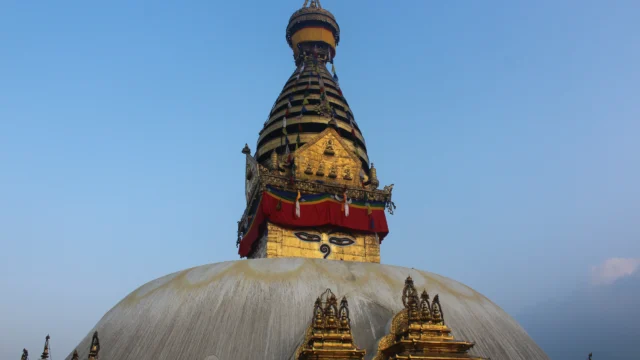
The majestic Himalayan range, a source of life and breathtaking beauty, is facing an unprecedented dual threat: rapid human development and accelerating climate change. Amidst this transformation, the construction of housing and tourism facilities has surged dramatically across Nepal and the Indian state of Uttarakhand. This unchecked growth is occurring in a region acutely vulnerable to extreme natural events, making the land a flashpoint for both progress and peril.
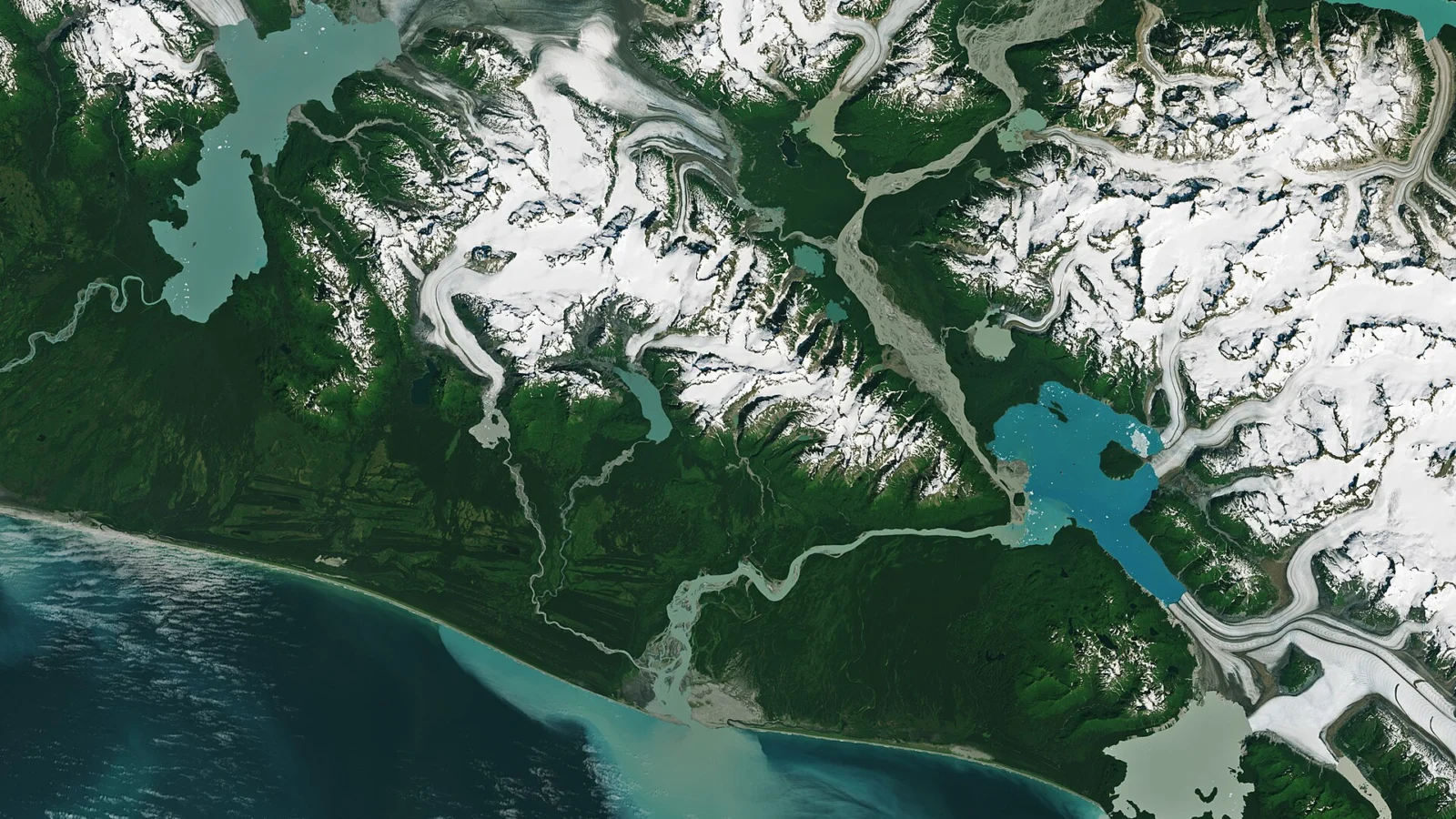
A recent study revealed disturbing statistics concerning this delicate balance, noting that approximately 300,000 people residing in the Himalayan region are now exposed to potential catastrophic disasters. Researchers analyzed areas extending up to 50km downstream from major Himalayan rivers, examining the vulnerability of settlements around 1,360 glacial lakes. The data highlighted a significant expansion of infrastructure and tourism facilities, pointing to a major development boom in hubs such as Pokhara, which has seen extensive growth over the last three decades.
The warming crisis accelerates the risk
The threat to these communities is intrinsically linked to global climate change, with warming in the Himalayan region occurring at twice the global rate. This rapid temperature increase is dramatically speeding up the melting of glaciers and icefields, which in turn destabilises slopes and triggers deadly glacial lake bursts. The consequences of this melting are already starkly visible, with Nepal alone documenting around 30 glacial lake events since 1940, underscoring the severity of the crisis.
The researchers who conducted the analysis documented a worrying escalation in built-up land situated within high-risk zones. Between 2016 and 2023, land construction in these vulnerable areas grew by a substantial 45 per cent. Furthermore, the development located near glacial lake flood zones experienced an even more alarming increase, rising by nearly 78 per cent over the same seven-year period.
Disaster strikes the fragile landscape
The vulnerability was tragically cemented by the devastating mass floods that occurred in August, which left more than 1,400 people dead and thousands missing across Nepal. This catastrophic event followed a period of escalating risk, as the study examined these areas just before the floods. Authorities observed that during the August floods, river levels increased by 70 metres in certain locations, adding immense pressure to the already stressed infrastructure.
The study’s lead author, C Scott Watson, a glaciologist from the University of Leeds, found compelling evidence of significant expansion in both tourism facilities and general infrastructure. Adding to the concern, Prof Surya Raj Acharya noted that development has increasingly expanded onto low-lying, flat river land, exacerbating the risk. This dangerous trend was highlighted by local officials, such as Mayor Dhana Raj Acharya, who specifically mentioned the complex challenge posed by the Seti Gandaki River. As Laxman Subedi stated, “By the time disasters hit, it is too late.”
Policy battles and the path ahead
In response to the growing peril, various measures are being discussed and implemented by local governments. For instance, authorities are planning to introduce a ban on settlements located within 15 metres of the riverbank in Rasuwa. Meanwhile, the Uttarakhand government has approved new floodplain zoning rules, and the study itself categorized buildings as being at risk if they were situated within 50 vertical metres of water.
However, the process of implementing these vital regulations faces challenges, with activist Anoop Nautiyal claiming that current regulations are being bypassed in Uttarakhand. Nepal’s Prime Minister, Balendra Shah, has already termed this ongoing crisis a ‘colossal price’ the nation must pay. The urgency remains absolute, as the accelerating risk is driven by the warming that speeds up glacier and icefield melting. The mountains endure, but the gamble of development in this volatile terrain continues to unfold, proving that progress and peril often walk hand in hand.
Source: BBC News