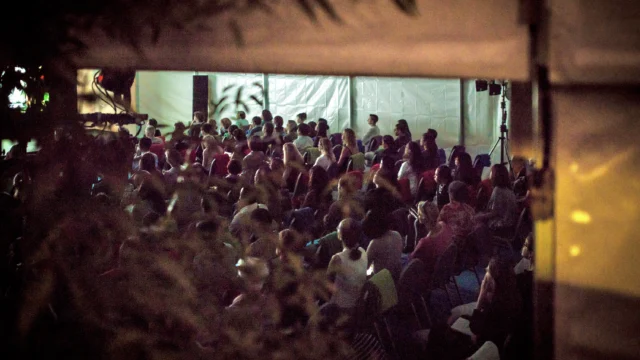
The curtain fell on the ninth edition of the El Gouna Film Festival, concluding after a week of intensive screenings, industry networking, and a closing ceremony that spread prestigious awards across the Middle East. The festival served as a vibrant cultural hub, celebrating cinematic achievements while simultaneously addressing the complex realities facing regional filmmakers. Among the winners, Mohammed Hammad secured the Golden Star for best narrative feature for his film Safe Exit, a psychological drama centered on a Coptic security guard in Cairo grappling with the aftermath of religious violence.
The festival concluded its impressive run on a Friday, marking a significant moment for the industry. Beyond the film accolades, the event reinforced its role as a critical platform for connecting talent with international opportunities. The awards night showcased the breadth of regional storytelling, ranging from war-torn realities to deeply personal family struggles.
The industry platform takes centre stage
CineGouna has evolved significantly, transforming into a comprehensive industry hub that now encompasses multiple specialized programs. The initiative was designed to be the core attraction, moving beyond mere film screenings to engage with the business side of cinema. The festival’s activities are now structured around Funding, Forum, Market, and Emerge, catering to everything from financial backing to emerging talent development.
This expanded scope was designed to maximize professional interactions for all attendees. Participants were able to hold countless one-on-one meetings with international institutions and corporations, while over 320 projects submitted applications to the CineGouna Funding. This year, the festival also introduced the inaugural Series lab for Arab television projects, broadening its reach into the realm of television production.
Navigating the challenges of modern Arab cinema
The gathering also shone a light on the systemic challenges facing regional storytelling, particularly concerning television development. While there is acknowledged to be a wealth of creative talent within the Arab world, the ability to develop and sell new series remains a major hurdle.
Veteran Egyptian screenwriter and producer Mariam Naoum explained the difficulty, noting the existence of “great, great talents” alongside a scarcity of dedicated platforms. This limited number of outlets means that creators are often forced to compete fiercely for limited viewing and production opportunities. The pressure is compounded by international buyers remaining cautious, leading some industry observers to warn that the business sector is “approaching a deadlock.”
Furthermore, the festival addressed the persistent issue of displacement, recognizing that war and conflict profoundly affect both narrative content and career building. Programs like the first Safe Harbour MENA were implemented to offer displaced filmmakers essential training and professional connections, reframing support from merely offering a platform to providing the tools needed to continue working.
The need for creative expansion
Discussions surrounding the future of Egyptian cinema highlighted a tension between the desire for greater artistic freedom and the need for sustainable financing. Producers suggested that while a younger generation now possesses more creative liberty than before, the industry requires greater time and dedicated focus on the craft of screenwriting.
The prevailing sentiment amongst the industry experts was a call for smarter, more specific approaches to content. Filmmakers are looking to expand their creative horizons while simultaneously asking for greater professional space to create work that remains deeply rooted in their local culture and identity.
In a move to ensure the festival’s impact extends beyond its physical location and duration, the festival introduced Cinema on Wheels. This initiative promises to take three selected short films on a free screening tour, reaching audiences in various cities across Egypt, including Minya, Qena, Luxor, and Aswan. It is a commitment to increasing the reach of the festival far beyond its typical boundaries.
The El Gouna Film Festival thus serves as much more than a showcase of film; it is a necessary barometer for the entire region’s cinematic future. By fostering connections and addressing structural deficiencies, it ensures that the storytellers of tomorrow have the resources to continue telling stories of today. The curtain may fall on the festival, but the call for better stories echoes across the region.