The stage lights at MetLife Stadium once shone on a powerful fusion of genres, a blend of hip-hop and pop that captured the attention of thousands. Yet, beneath the glittering spectacle, a serious conflict was brewing, challenging the boundaries between art and activism. The abrupt removal of a prominent rapper from a major international tour has ignited a fierce debate over free expression in the modern entertainment industry. This sudden shift in touring lineups has brought intense scrutiny to the relationship between artists, promoters, and social commentary.
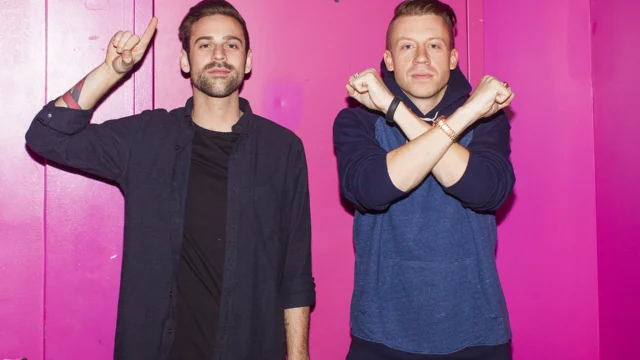
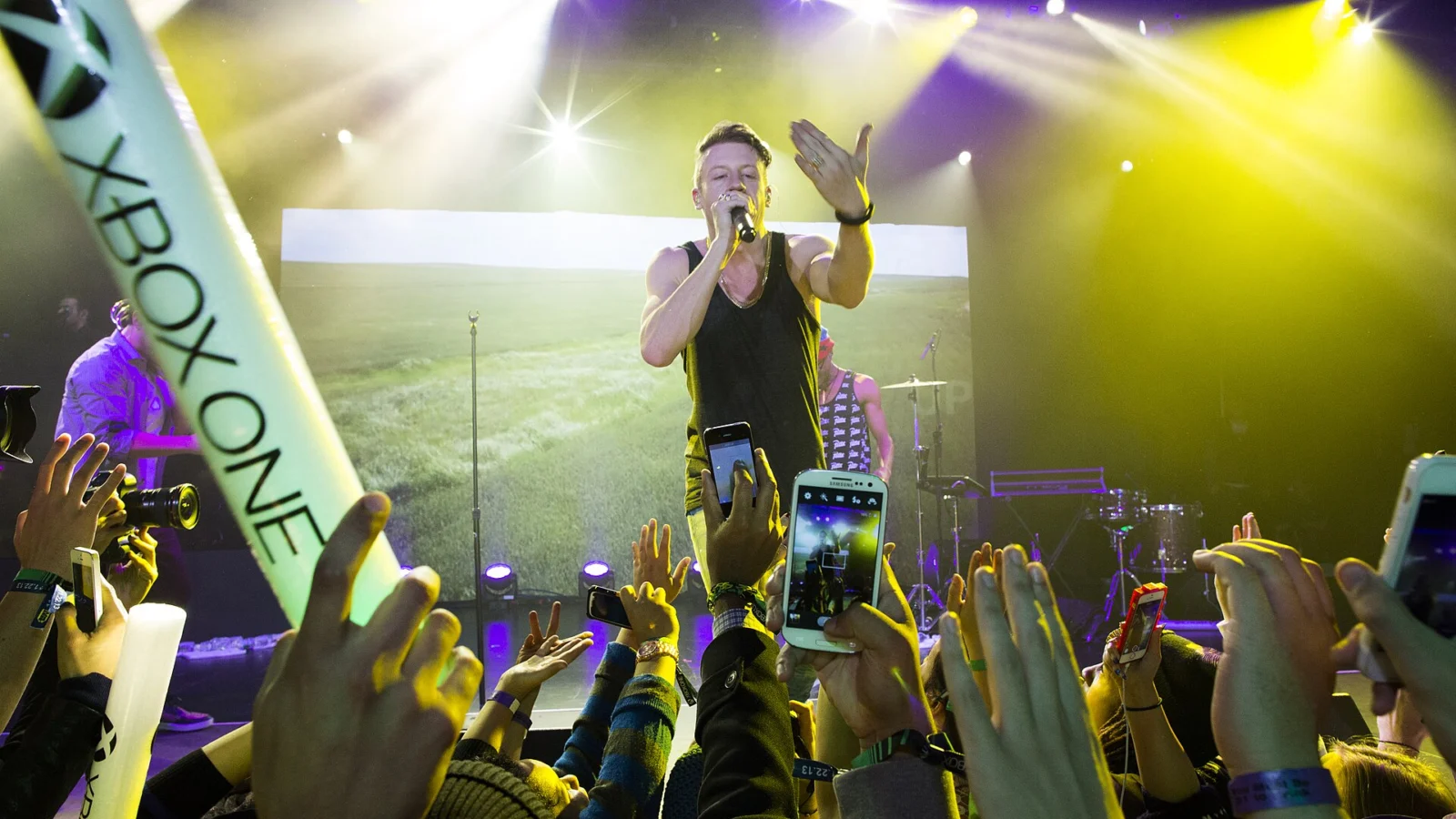
The rapper Macklemore was dropped from the North American leg of Ed Sheeran’s Loop Tour in September. This removal came after he had performed two successful sets at MetLife Stadium. The controversy stemmed from his public commentary in New Jersey, where he spoke specifically about the situation in Gaza and the West Bank. His performance included his protest song, Hind’s Hall, leading to the fallout that saw him cut from the tour schedule.
The battle for free speech on the road
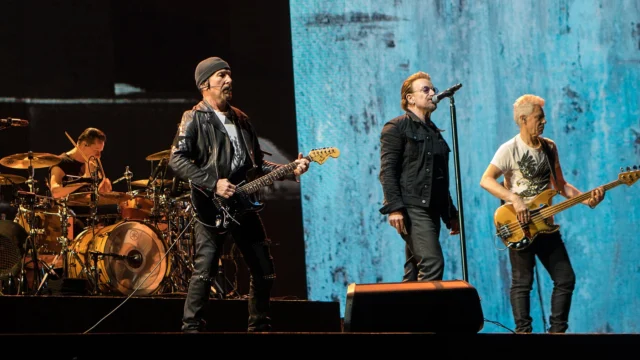
The situation quickly escalated beyond the tour itself, attracting high-profile commentary from musicians outside the immediate circle. The rock band U2 weighed in, offering strong support for the rapper’s controversial stance. Members of the band made clear that they backed Macklemore’s right to voice his opinions publicly. Larry Mullen Jr. specifically highlighted that the right to political activity is fundamentally a human right, lending weight to the argument of artistic freedom.
The band’s members were keen to prevent the controversy from unfairly damaging the careers of others involved. The Edge made sure to state that Ed Sheeran should not be vilified by this situation. This intervention provided a powerful counter-narrative to those who were condemning the rapper’s actions, framing the debate as one of rights rather than simply commercial viability.
The fallout and the industry resistance
The reasons behind the removal were rooted in logistical and corporate decisions, rather than artistic disagreement. Messina Touring Group, the promoter, indicated that the venues themselves were the reason for the decision. These venues ultimately refused to allow him to perform, creating the circumstances that led to his removal from the tour. Furthermore, the opposition wasn’t limited to the promoter; specific venues enacted bans.
For instance, Robert Kraft took decisive action, barring Macklemore from performing at Gillette Stadium. This demonstrates that the pushback against his protest rhetoric was not isolated but had penetrated deep into the corporate infrastructure of large sports and entertainment venues. The demand for adherence to a specific political silence appeared to outweigh the desire for diverse artistic expression.
What this means for artists
This entire episode serves as a stark reminder of the tightrope walk modern artists must perform when engaging with political issues. When social commentary intersects with commercial entertainment, the line between performance and protest becomes extremely thin. The ability of an artist to speak out is being seriously challenged by external pressures from venue owners and promoters. Yet, as The Edge asserted, “We totally support Macklemore ’s right as an artist to say what he wanted to say.”
The controversy forces a crucial conversation about who ultimately controls the stage—the artist, or the corporation. Whether this crackdown on outspoken artists leads to a chilling effect on cultural commentary remains to be seen. The music industry must decide if it will prioritize profit margins or the fundamental right to speak out. Even after the spotlights dim, the debate over artistic freedom remains brightly lit.
Source: Billboard