The flickering light of a projector illuminates a room as a sequence of grainy, historical images dances across the screen. Every shadow feels heavy with intent, and every frame seems designed to pull the viewer deeper into a specific, visceral moment. It is the work of a master who understands that the camera is not merely a recording device, but a tool for emotional manipulation.
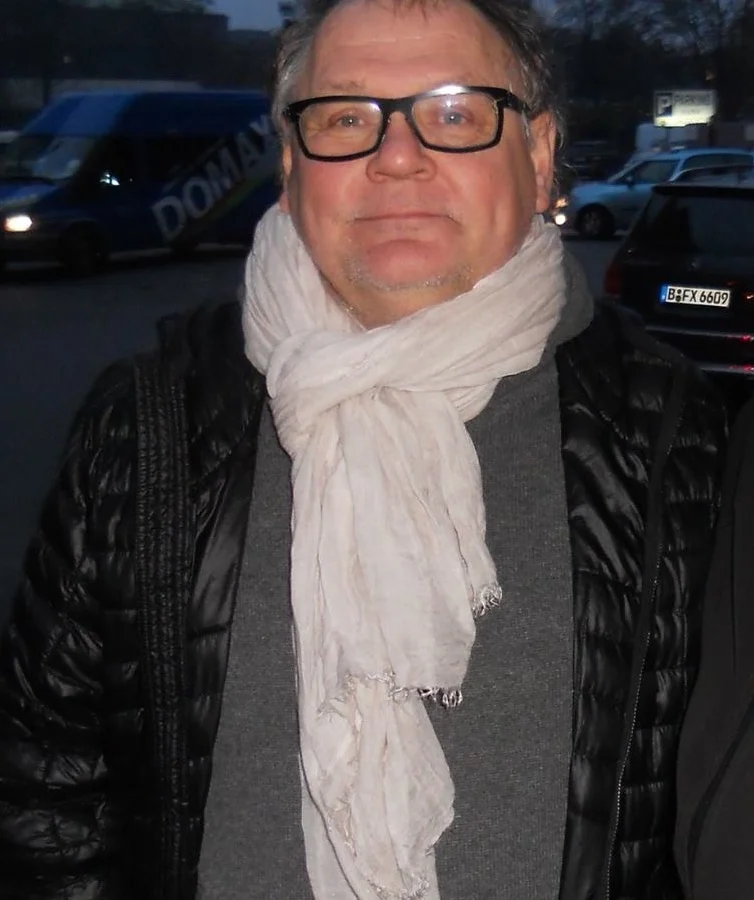
Janusz Kaminski has been officially recognised as the winner of the 2026 THR Visionary Award. This accolade celebrates a career spanning over thirty years, during which the Polish-born cinematographer has crafted some of the most evocative visuals in modern cinema. His body of work serves as a testament to the power of visual storytelling, ensuring that the aesthetic of a film never overshadows its narrative purpose.
Read more: Druski Debuts On SNL: Channeling Elizabeth Holmes In Hilarious Satire
The cinematographer first gained international acclaim when he won his first Academy Award for his work on a Steven Spielberg Holocaust drama. In that production, he utilised a stark black-and-white palette to mirror the aesthetic of newsreels and documentary records of the era. A single, striking exception occurred when a little girl’s red coat provided the only splash of colour in the entire film.
A chameleon of the lens
Rather than adhering to a consistent personal brand, Kaminski is known for his ability to disappear into the requirements of a director’s vision. He avoids a single signature look, choosing instead to adapt his techniques to the specific needs of every project he touches. This versatility allows him to transition from intimate character studies to sweeping, large-scale spectacles without losing his technical precision.
His foundational style often draws heavily from German Expressionism and the visual language of postwar European cinema. He frequently employs elements such as backlighting, smoke, and film-noir aesthetics to heighten the atmosphere of a scene. By grounding his work in these historical movements, he creates a sense of timelessness that feels both classic and contemporary.
Redefining the visceral experience
One of his most significant contributions to cinema came with his second Oscar win for the cinematography on Saving Private Ryan. To achieve a sense of realism, he opted for a washed, metallic palette designed to mimic the look of authentic frontline footage. He even went as far as stripping protective coatings from the lenses to produce raw images and intentional flares that heightened the chaos of the battlefield.
To capture the violence of combat, he utilised a narrow shutter angle, which allowed explosions and bullet strikes to appear with a sharp, jarring snap. This specific technical choice fundamentally reshaped how war was portrayed on screen for an entire generation of viewers. It moved away from polished action and toward a jagged, uncomfortable reality that felt immediate and terrifying.
Subjective visions and painterly frames
Kaminski’s ability to manipulate the audience’s perception is perhaps best demonstrated in his nomination for At Your Face Has No Name. In this production, the camera was tasked with mimicking the perspective of a man who is paralysed except for one eyelid. The cinematography achieved this through blurred focus, tilted frames, and sudden blinks, effectively placing the viewer inside a subjective, fractured vision.
In contrast, his work on War Horse took a completely different direction, adopting a painterly aesthetic inspired by classic Hollywood Westerns and epics. He utilised anamorphic widescreen frames to highlight burnished golds and glowing skies, creating a majestic visual feast. Conversely, for the film Munich, he swapped grandeur for a grainy, faded texture and muted, earthy colours. He employed zoom lenses to foster a sense of surveillance and unease, perfectly capturing the tension of a 1970s-style thriller.
The sheer variety of his portfolio proves that his primary loyalty is to the script. Whether he is creating a sense of suffocating dread or wide-scale heroism, he ensures the image serves the story’s function above all else. As the THR notes, “the Polish-born cameraman… has spent three decades making images that bend to the story.”
The legacy of his work continues to influence how filmmakers approach the marriage of light and narrative. By moving between the grit of war and the ethereal beauty of a painting, he has proven that the most effective cinematography is that which feels invisible yet remains unforgettable. He remains a visionary who understands that the most powerful images are those that feel like they were born from the story itself. Every shadow feels heavy with intent, and every frame seems designed to pull the viewer deeper into a specific, visceral moment.
More from Ungrid Now
- The Stand-In Family wins Mirror Fiction award for screen adaptation
- Full House Star: Jodie Sweetin Reveals Her $190 Bank Account
Source: The Hollywood Reporter