The Spanish cultural landscape was buzzing with anticipation as the curtains closed on the 71st Valladolid International Film Festival (Seminci). The city of Valladolid hosted a vibrant gathering of cinematic talent, culminating in the announcement of prestigious awards that celebrated diverse global storytelling. Amidst the celebration, the festival’s organizers faced an unusual challenge, having to cancel the traditional closing gala following a fatal train accident in the nearby Toledo province. This backdrop of solemnity only heightened the importance of the artistic achievements unveiled during the proceedings.
The main event brought home the Golden Spike to French-Senegalese filmmaker Alain Gomis for his expansive film Dao. This film, which spans both Europe and Africa, saw Marine Atlan’s acclaimed debut, La Gradiva, secure the Silver Spike. Furthermore, Argentine filmmaker Lisandro Alonso was honoured with the Ribera del Duero best director award for his film Double Freedom.
Reflecting on the winners’ cinematic visions
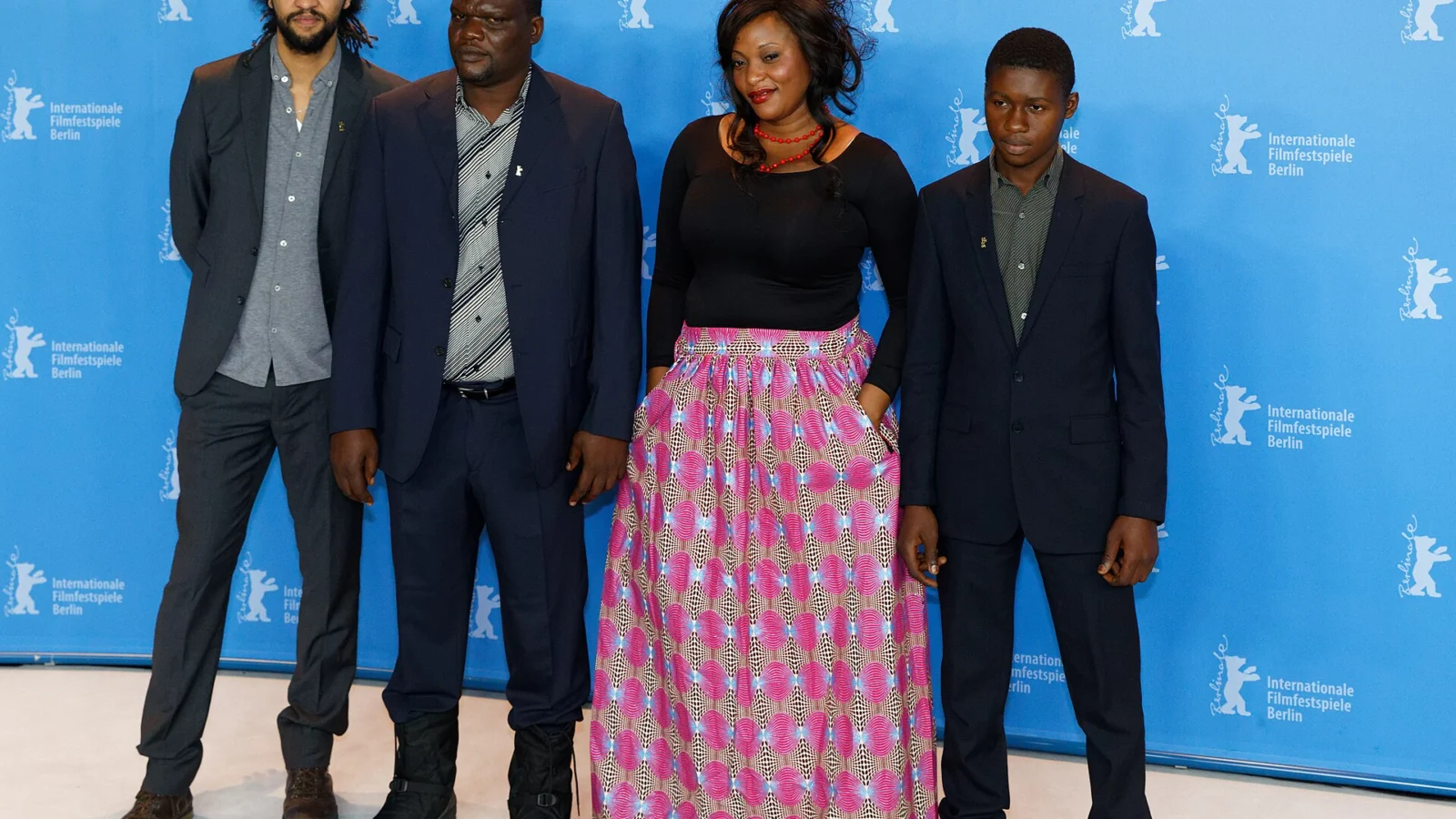
Dao, Gomis’ three-hour family saga, is a deeply immersive work that deliberately blurs the line between fictional narrative and documentary style. It follows a sprawling cast, comprising both professional and non-professional performers, as the story weaves between a wedding ceremony held in France and an ancestral memorial in Guinea-Bissau. The international jury specifically commended the film for its unique cinematic rhythm, duration, and movement, which collectively created an atmosphere that felt both incredibly intimate and vast.
This particular film marks a notable return to feature fiction for Gomis, following his earlier success with Félicité, which had won the Berlinale Grand Jury Prize in 2017. Having previously premiered at Berlin, Dao has garnered significant critical attention, with reviewers praising it as the director’s “most vibrantly expansive and accessible” work. The film’s ambitious scope, exploring themes of migration and inherited traditions, cemented its status as a major contender at the festival.
The journey of the Silver Spike contender
Meanwhile, Marine Atlan’s La Gradiva navigated a celebrated journey before its arrival at Seminci. The French-Italian feature had previously made waves at Cannes’ Critics’ Week, where it achieved its top Grand Prix. It also received the Bright Horizons Award at the Melbourne International Film Festival back in August. The narrative of La Gradiva is set during a French school trip that takes the teenagers to Naples and Pompeii, focusing intensely on the volatile final moments of adolescence.
Critics have lauded the film for its profound and sensitive portrayal of youth, describing it as “seismically sensitive and deeply moving.” The film follows a cohort of teenagers as they grapple with feelings of insecurity and burgeoning desire. It also garnered recognition at Valladolid, receiving the José Salcedo editing prize for Guillaume Lillo and the Rainbow Spike, an award dedicated to cinema related to LGBTQ themes.
Notable artistic achievements across the festival
The awards extended far beyond the main competition, highlighting considerable talent across the international field. Lisandro Alonso, whose prior credits include Jauja and Eureka, was honoured for his film Double Freedom, which is a sequel to his 2001 debut, Freedom. In the acting categories, Alba Rohrwacher was recognised for her performance in A Good Little Soldier, while Swann Arlaud was honoured for his role in A Man of His Time.
Further showcasing the depth of cinematic excellence, Austrian filmmaker Sandra Wollner won the Miguel Delibes screenplay prize for Everytime, a drama that explores the complex realms of grief and memory through the use of digital technology. Furthermore, the Spanish debut Salen las lobas, directed by Claudia Estrada Tarascó, emerged as a major audience favourite, winning both the Meeting Point Audience Award and the Seminci Youth Prize.
Looking ahead for emerging talents
The significance of the Valladolid Festival is also tied to its recognition of rising cinematic voices and unique global perspectives. Thai filmmaker Sompot Chidgasornpongse earned the Meeting Point prize for 9 Temples to Heaven, a contemplative family pilgrimage drama. This film marks the fiction-feature debut of a long-standing collaborator of Apichatpong Weerasethakul.
The festival provided a platform for diverse narratives, from Ivan Marković’s Promised Spaces, a portrait of Cambodia’s rapidly changing urban landscape, to Hassen Ferhani’s Alea Jacarandas, an Algeria-France co-production that took home the Time of History Grand Prize. The overall attendance was impressive, with organizers reporting a provisional tally of 100,000 spectators and participation from over 90% of the represented directors.
With the festival concluding its highly decorated run, the cinematic promise that shone through the 71st edition reaffirms that the art of storytelling, whether through epic family sagas or delicate portraits of youth, continues to resonate powerfully across continents.