The vibrant atmosphere of the Taiwan Creative Content Fest in Taipei provided the backdrop for a fascinating discussion on the future of global filmmaking. Amidst the flurry of creative industry activity, a powerful message concerning cultural authenticity was delivered, challenging established cinematic norms. These conversations underscore the complex intersection between art, commerce, and national identity in modern media production.
Kii Muneyuki, the founder of K2 Pictures, shared significant advice to Japanese filmmakers this past Saturday during the event. Drawing on his experience, he urged them to move away from mimicking martial arts styles from other cultures. He specifically advised that Japanese films should instead embrace their own native forms of combat, such as kendo and judo.
Cultural authenticity in martial arts
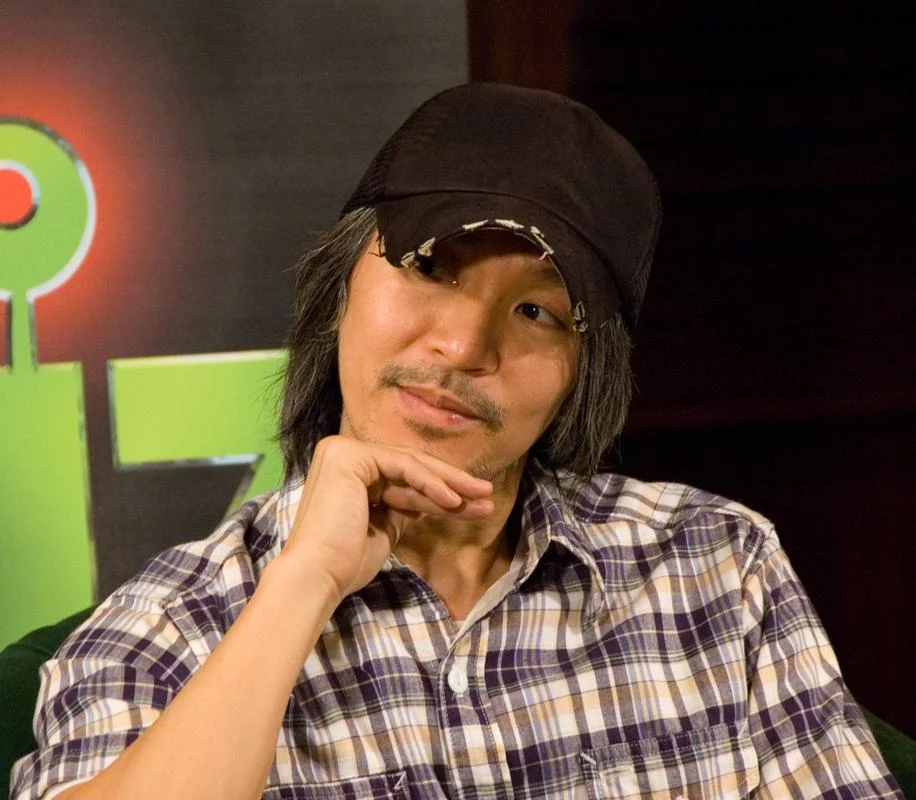
The advice provided by Kii Muneyuki was not a sudden pronouncement, but rather a culmination of shared industry experiences. He confirmed that he has had the opportunity to share drinks with veteran filmmaker Stephen Chow in Tokyo. In that context, Chow delivered a striking directive to Japanese filmmakers, encapsulated by the sharp phrase, “Stop aping kung fu.”
This comment reflects a growing global conversation about cultural appropriation and the importance of artistic originality. Instead of relying on exotic or imported fighting styles, the suggested path is to celebrate the unique, deeply rooted martial arts traditions of Japan. This shift would allow the films to achieve a distinct cultural signature, differentiating them from international competitors.
Building a new production model
Beyond the creative advice, the discussion highlighted the robust financial infrastructure K2 Pictures has built. K2 Pictures is positioning itself as a powerful alternative to Japan’s traditional production committee system, which often dictates creative control. The company has established distribution outposts in Taiwan and Korea, signalling an aggressive international expansion strategy.
The foundation of this ambitious structure is the K2P Film Fund I. This fund successfully closed its equity round in February, securing $33 million in investment. The fund’s total planned investment is substantial, projected to reach $100 million, which includes various loans. It is designed to shepherd 50 films over a span of seven years, providing a stable environment for creative ventures.
The financial architecture and creative goals
The backers of the K2P Film Fund I are a mix of major financial institutions and corporate entities. Among the thirty companies invested, MUFG Bank—Japan’s largest lender—is a key participant. Other significant backers include Bandai, Dentsu, and the Development Bank of Japan, lending credibility and scale to the venture.
The fund’s operational model is designed to be both commercially viable and creatively supportive. K2 calculates profits on a per-title basis, allocating 70% of revenue to investors and setting aside 30% for the creative team. The company has already completed six films this year, including Look Back and Trophy. Furthermore, the company is actively pushing for legislative change, seeking to allow content to be securitized.
The push for cultural self-determination, alongside the establishment of a powerful, independent financial machine, marks a significant moment for Asian cinema. While the industry looks to the future, where director Nagata Koto’s The Nuke Crab was unveiled at Cannes, the message remains clear: true originality is the most powerful blockbuster.
Source: Variety